Meaning
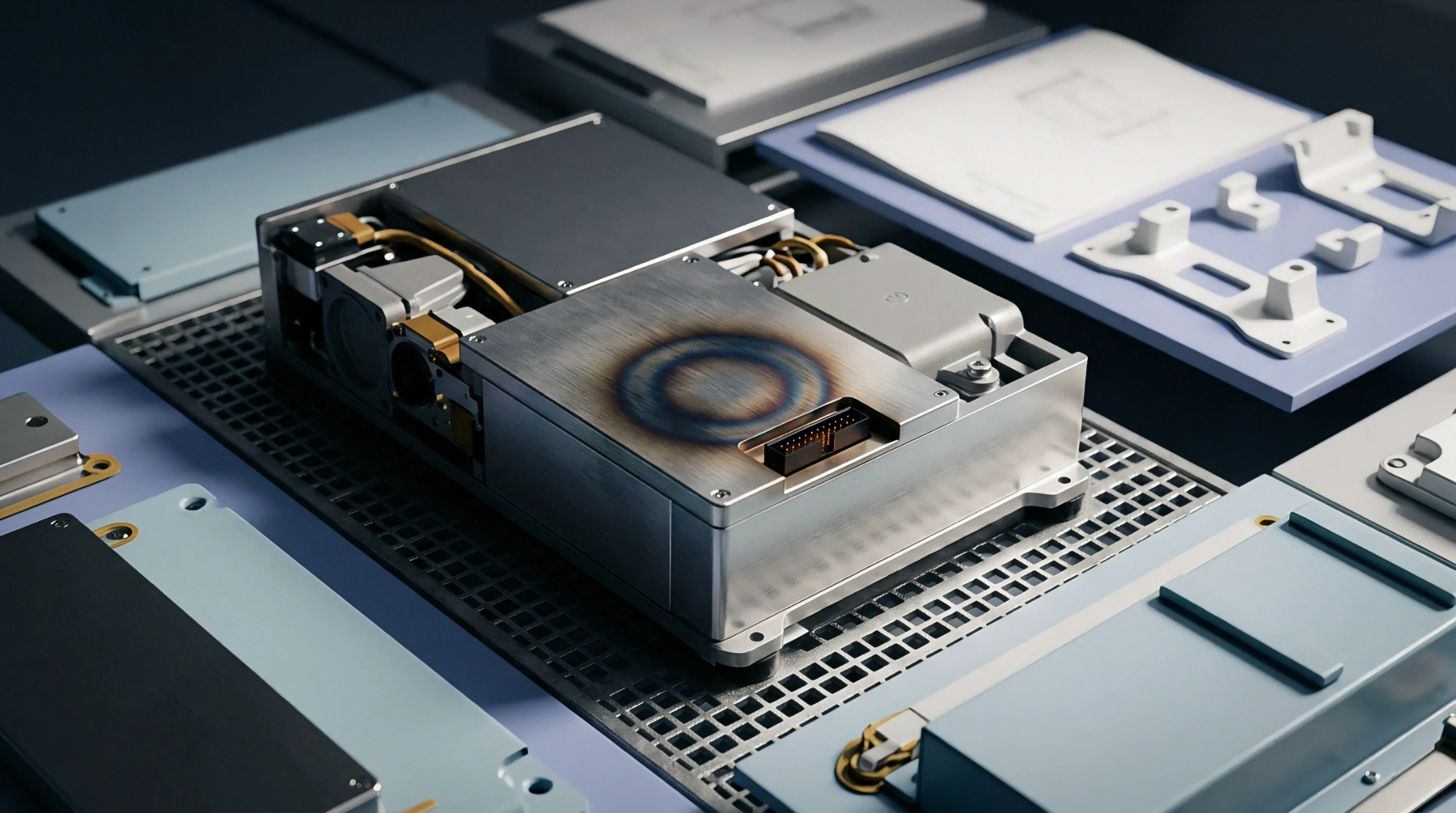
Thermal energy concentration within a specific region of a substrate defines the phenomenon known as localized heating. This mechanism occurs when power density exceeds the heat dissipation capacity of the surrounding material or structure. Controlled application of such energy allows for precision bonding or localized annealing in electronics manufacturing.
Unintended occurrences damage sensitive components or create structural stress concentrations. Excessive temperature gradients lead to material fatigue or electrical failure in high density circuits.
Thermal Budget
Design engineers calculate the heat dissipation limits of a printed circuit board assembly by reviewing the thermal budget of each surface mounted device. Excessive localized heating ruins the adhesive properties of solder joints or warps flexible material substrates. Standard testing protocols verify that individual component temperatures remain within safe operational boundaries during peak power cycles.
Hardware designers adjust component placement to ensure that concentrated heat sources do not overlap or exacerbate thermal buildup.
Integration Risk
System integration teams evaluate the assembly by subjecting fully populated enclosures to operational thermal cycling. Failure patterns during these tests distinguish between assembly defects and inadequate design provisions for heat management. Cooling solutions function by redirecting energy away from sensitive silicon areas toward heat sinks or chassis paths.
Proper airflow management prevents the saturation of ambient air near high power modules. Dense packaging environments necessitate the use of thermal interface materials to bridge the gap between hot components and dissipating surfaces.
Validation Metric
Compliance with thermal standards depends upon the measurement of junction temperatures under worst case power consumption scenarios. Automated thermal imaging identifies hot spots that threaten the lifespan of integrated circuits. Engineers monitor temperature sensors to adjust power delivery levels before reaching damaging intensity.
Precise control of these localized thermal inputs preserves the functional integrity of electronic systems over long durations.