Meaning
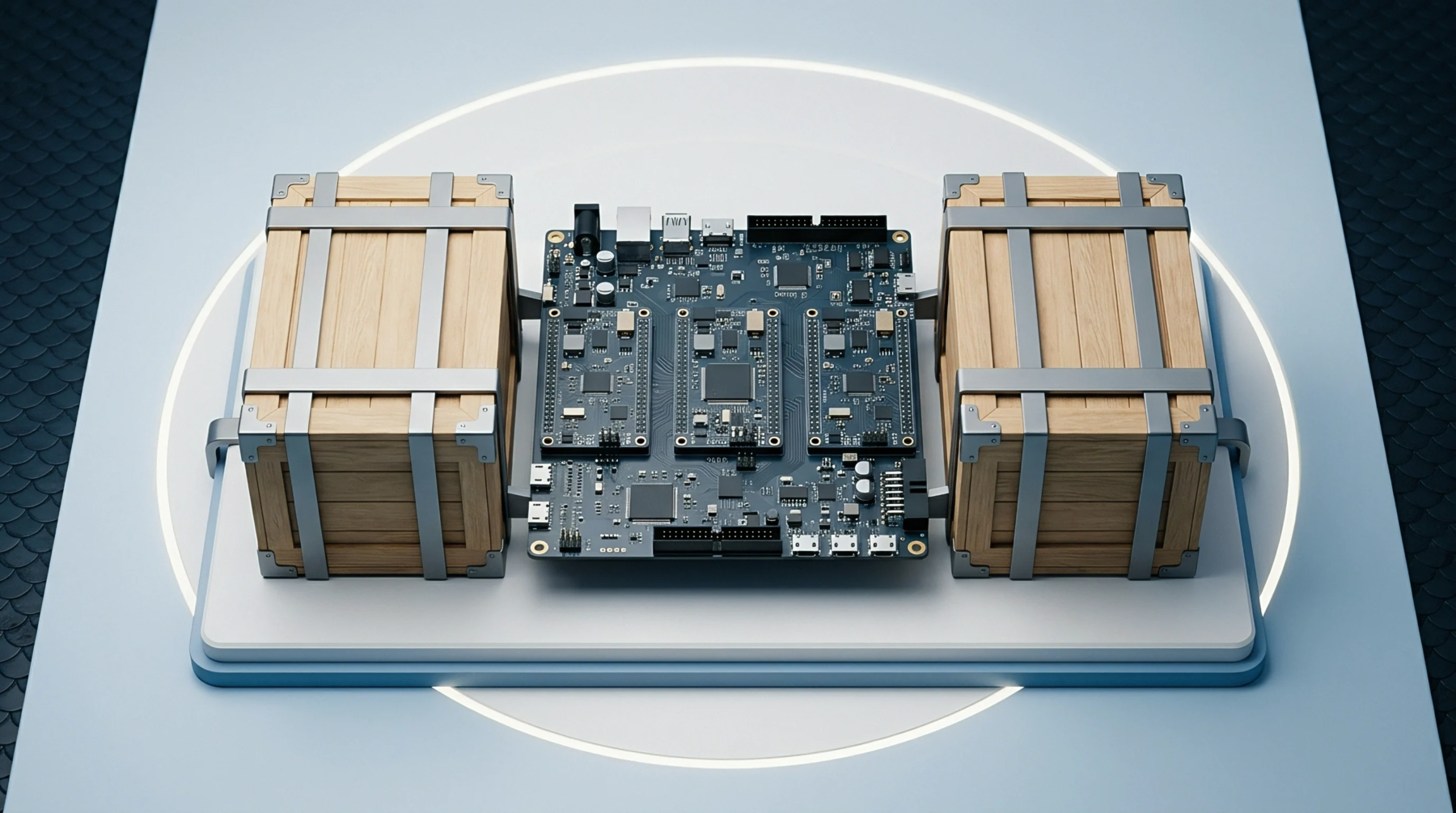
Semiconductor memory blocks designed to retain program instructions and calibration parameters through power cycles provide the software foundation for embedded devices. Utilizing non-volatile firmware storage prevents the loss of crucial operating programs when the smart device is powered down or loses battery charge. This hardware medium holds the system bootloader, execution kernel, and device-specific security certificates.
It is typically implemented using NOR or NAND flash technologies, which are selected based on write endurance, temperature tolerance, and access speed during high-frequency execution.
Memory Technology
Solid-state cells must resist electronic corruption and maintain data integrity for many years. Choosing the correct flash cell architecture for non-volatile firmware storage involves balancing write-erase endurance against the read speed of the bus. This choice directly impacts how quickly the device can boot up and receive field software updates.
Partition Configuration
Storage areas are divided into dedicated partitions to separate the recovery bootloader from the main application code. Modern non-volatile firmware storage layouts utilize an A and B dual-bank partition structure to enable fail-safe over-the-air updates. If the new update fails to initialize correctly, the system automatically falls back to the previous known-good firmware version in the alternate partition.
Boot Sequence
Hardware controllers fetch the initial start-up vector from the non-volatile firmware storage immediately upon receiving power. This process initiates the power-on self-test before loading the main operating program into random-access memory. Reliable flash read performance is essential to keep the start-up time within specified limits.