Meaning
Preamble-only transmission structures convey standardized physical layer training fields without appending a media access control data payload. Transceivers emit these structured bursts across multi-antenna channels to allow receiving stations to capture unfiltered channel frequency responses across all active subcarriers. Because it carries zero payload bytes, the null data packet provides an exceptionally clean spatial measurement vehicle for explicit beamforming calibration and accurate distance estimation.
The term ceases to apply to transmissions that contain user data symbols, management payload bodies, or media access control headers.
Channel Sounding
Spatial multiplexing performance relies on precise multipath measurements gathered via specialized calibration transmissions. An access point initiates sounding sequences by alerting target stations, followed immediately by transmitting an unmodulated null data packet across every spatial stream. Receiving client modules capture the standardized training symbols, calculate channel response matrices, and package the findings into beamforming feedback reports.
The absence of payload fields prevents media access control decoding bottlenecks, ensuring predictable physical layer reception. Wireless local area network transceivers depend on this periodic sounding procedure to maintain directional antenna arrays in shifting office environments.
PHY Calibration
Multi-antenna hardware arrays require rigorous compensation for internal analog phase and amplitude mismatches across transmit and receive paths. Small component variations among integrated power amplifiers, switches, and traces alter signal characteristics prior to antenna radiation. Engineering teams utilize the null data packet to characterize internal radio frequency imbalances by routing training sequences through loopback paths and diagnostic receiver channels.
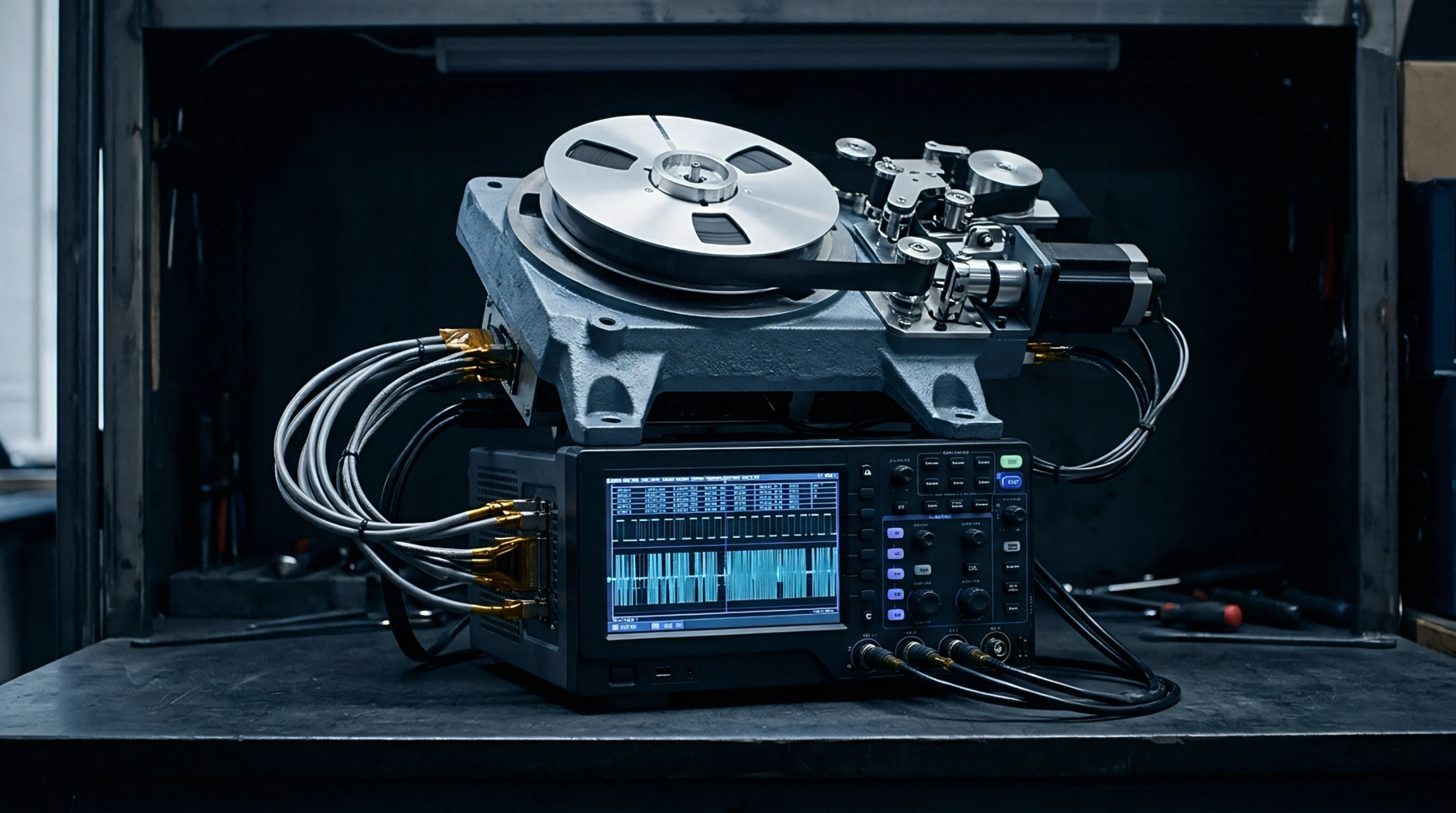
Calibrating these internal phase offsets ensures that digital beamforming calculations translate accurately into radiated electromagnetic patterns. Automated test benches verify phase calibration accuracy by conducting sweeping frequency evaluations across board-level RF output ports.
Ranging Accuracy
Fine timing measurement protocols employ payload-free training sequences to calculate precise distances between communicating wireless devices. Ultra-wideband and modern local area network standards analyze the arrival times of training sequence symbols to compute time-of-flight measurements with sub-nanosecond precision. Utilizing a null data packet eliminates media access control timing jitter, allowing baseband processors to pinpoint the direct leading-edge signal path among multipath reflections.
Board-level antenna placement and trace length matching directly influence the arrival time calculation accuracy. Hardware verification documents define phase linearity and time-of-arrival stability criteria across operating temperature extremes.