Meaning
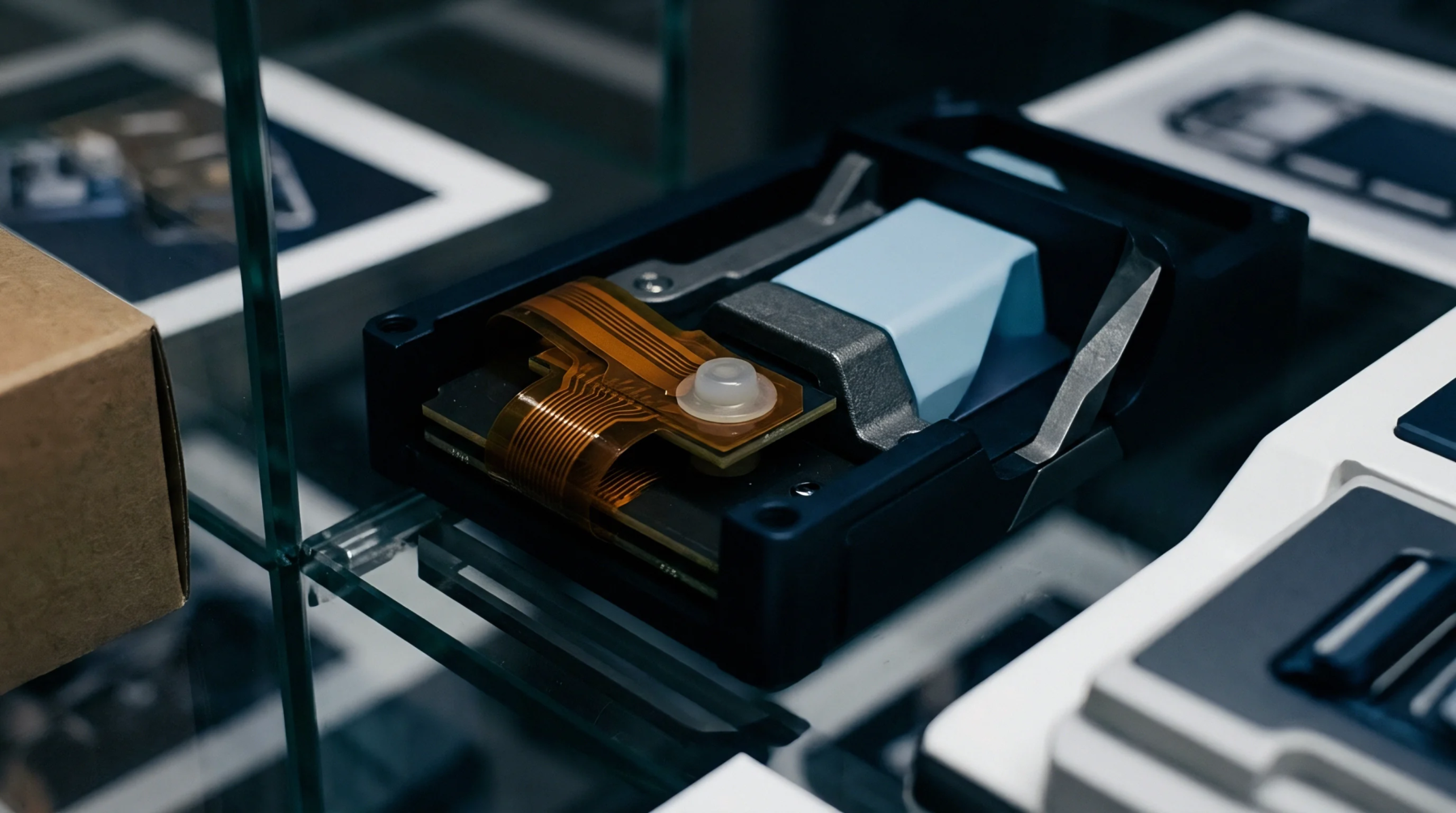
The systematic, long-term change in the resonant frequency of an electronic timing component over time occurs independently of external factors like temperature, voltage, or mechanical shock. This phenomenon, known as oscillator aging, is primarily driven by internal physical changes such as mass transfer to and from the quartz crystal or the relief of mounting stresses. Timing circuits in base stations, satellite receivers, and high-speed network switches must account for this drift to prevent synchronization failure over multi-year deployments.
The rate of change is typically highest during the first few weeks of operation before settling to a slower, more linear progression.
Stability Factor
The design of high-stability reference clocks requires careful selection of the crystal cut and the packaging method. Hermetic sealing in cold-welded metal or ceramic packages minimizes the gas contamination that contributes to oscillator aging by depositing mass on the quartz surface. Engineers utilize oven-controlled and temperature-compensated configurations to isolate the crystal from thermal fluctuations, leaving aging as the dominant remaining variable.
Accurate timing over years depends on minimizing these internal material changes.
Compensation Scheme
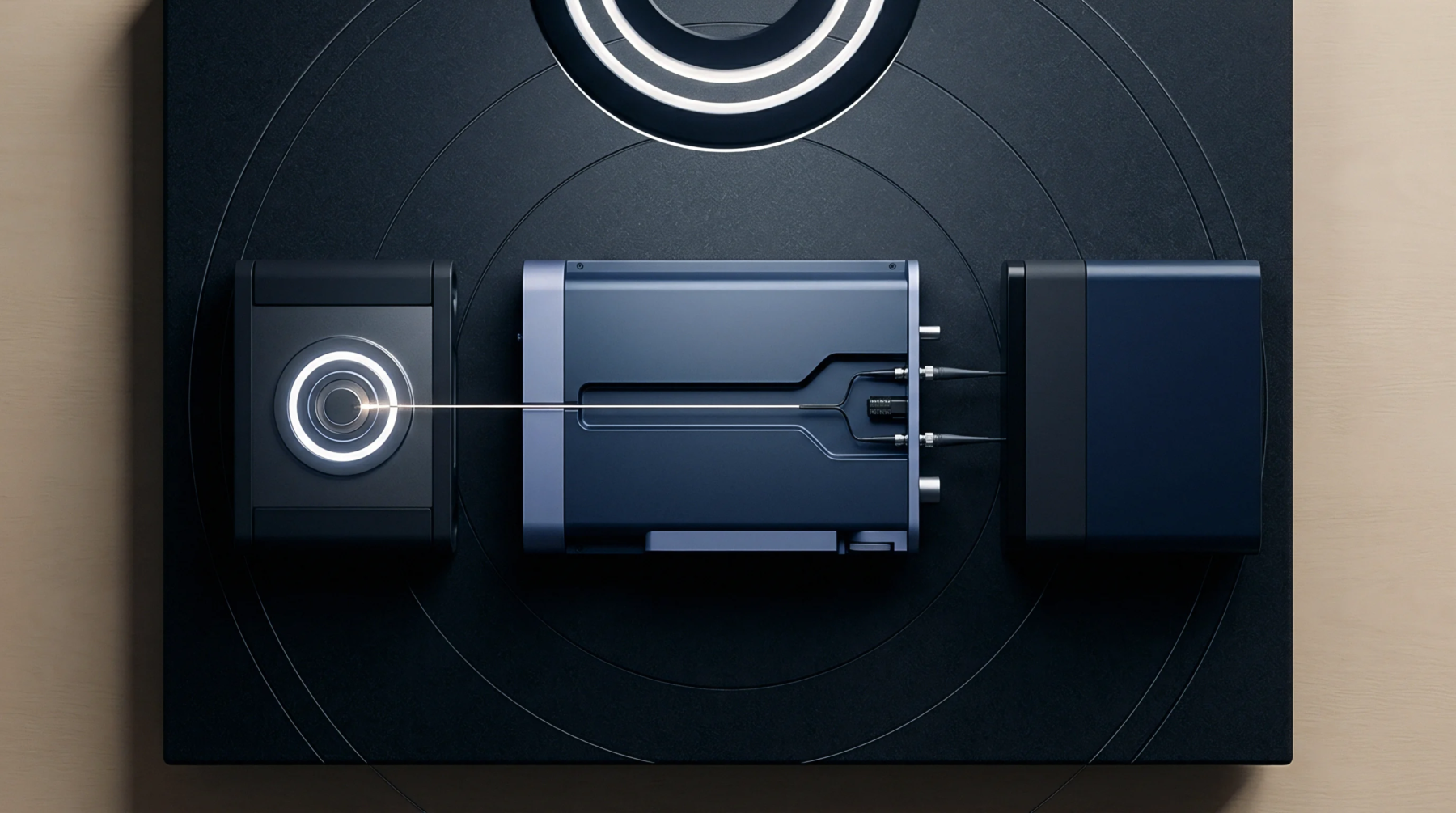
System-level calibration routines use external reference signals such as GPS or network time protocol packets to periodically measure and correct the drift of the internal clock. By calculating the difference between the local clock and the reference, the firmware updates a correction factor or adjusts a control voltage to counter the effects of oscillator aging. In isolated environments where external signals are unavailable, predictive algorithms must estimate the drift based on historical sensor data and laboratory-derived aging curves.
These methods maintain timing accuracy during extended periods of autonomous operation.
Testing Protocol
Pre-conditioning through high-temperature burn-in accelerates the initial, rapid drift phase of the crystal before the module is shipped to the customer. This acceleration allows the manufacturer to calibrate the device in its stable, long-term operating regime where oscillator aging is more predictable. Measurements are conducted over several weeks at controlled temperatures to extrapolate the expected frequency offset over a ten-year or fifteen-year operational lifespan.
Standard methods like those defined in military or industrial standards outline the mathematical models used for this extrapolation. Understanding the long-term trend allows developers to size the tuning range of the phase-locked loop to ensure it can always pull the clock back to its nominal frequency. This characterization ensures that the device remains within specification for its entire service life.