Meaning
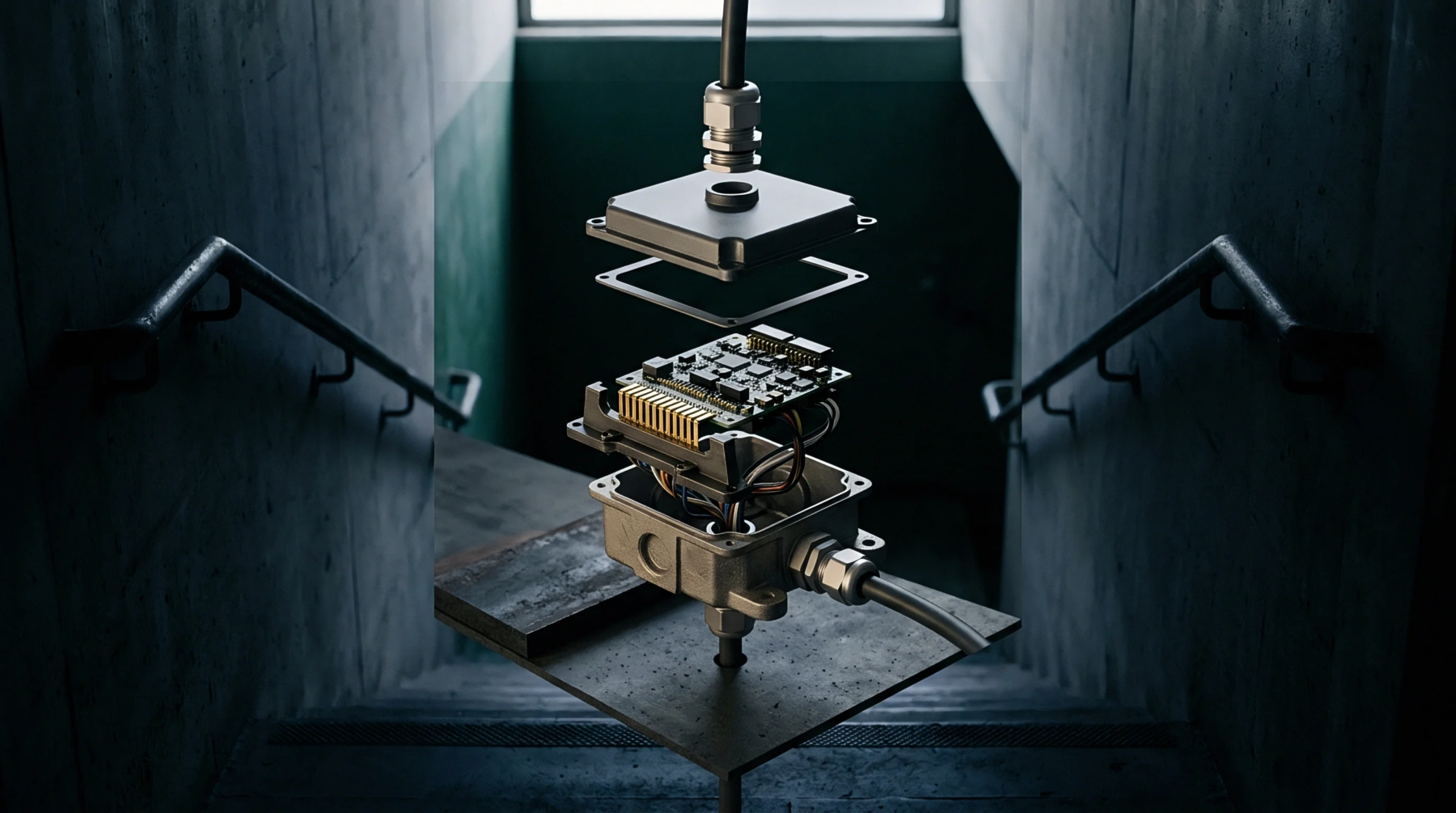
Moisture protection for electronic components is achieved by applying liquid polymers that cure into durable elastomer barriers. Utilising polyurethane encapsulation provides a flexible protective barrier that shields sensitive circuit boards from moisture and mechanical vibration. This material option is particularly suited for applications requiring high flexibility at low temperatures, where rigid epoxies might crack or stress the solder joints.
Chemical Properties
The cured elastomer exhibits low moisture absorption and maintains its physical properties across a broad temperature range. This flexibility of polyurethane encapsulation reduces the mechanical stress exerted on surface-mount components during thermal expansion. It also provides excellent electrical insulation, which prevents voltage breakdown in high-voltage modules.
Curing Process
Mixing the polyol and isocyanate components initiates a chemical reaction that creates the solid polymer matrix. This reaction can proceed at room temperature, though applying moderate heat accelerates the cross-linking process. Precise control of the mixing ratio prevents incomplete curing, which would leave the compound sticky or compromise its protective qualities.
Application Procedure
Dispensing systems apply the liquid compound under vacuum to prevent air bubbles from being trapped around the components. These voids would otherwise allow moisture to collect and cause corrosion or short circuits on the printed circuit board. After dispensing, the assembly is placed in a curing oven to ensure the polymer reaches its full mechanical strength.
Testing the hardness of the cured material ensures that the protective barrier complies with the specified mechanical ratings. The final product achieves a high level of environmental sealing, which extends the operating lifetime of modules deployed in harsh environments.