Meaning
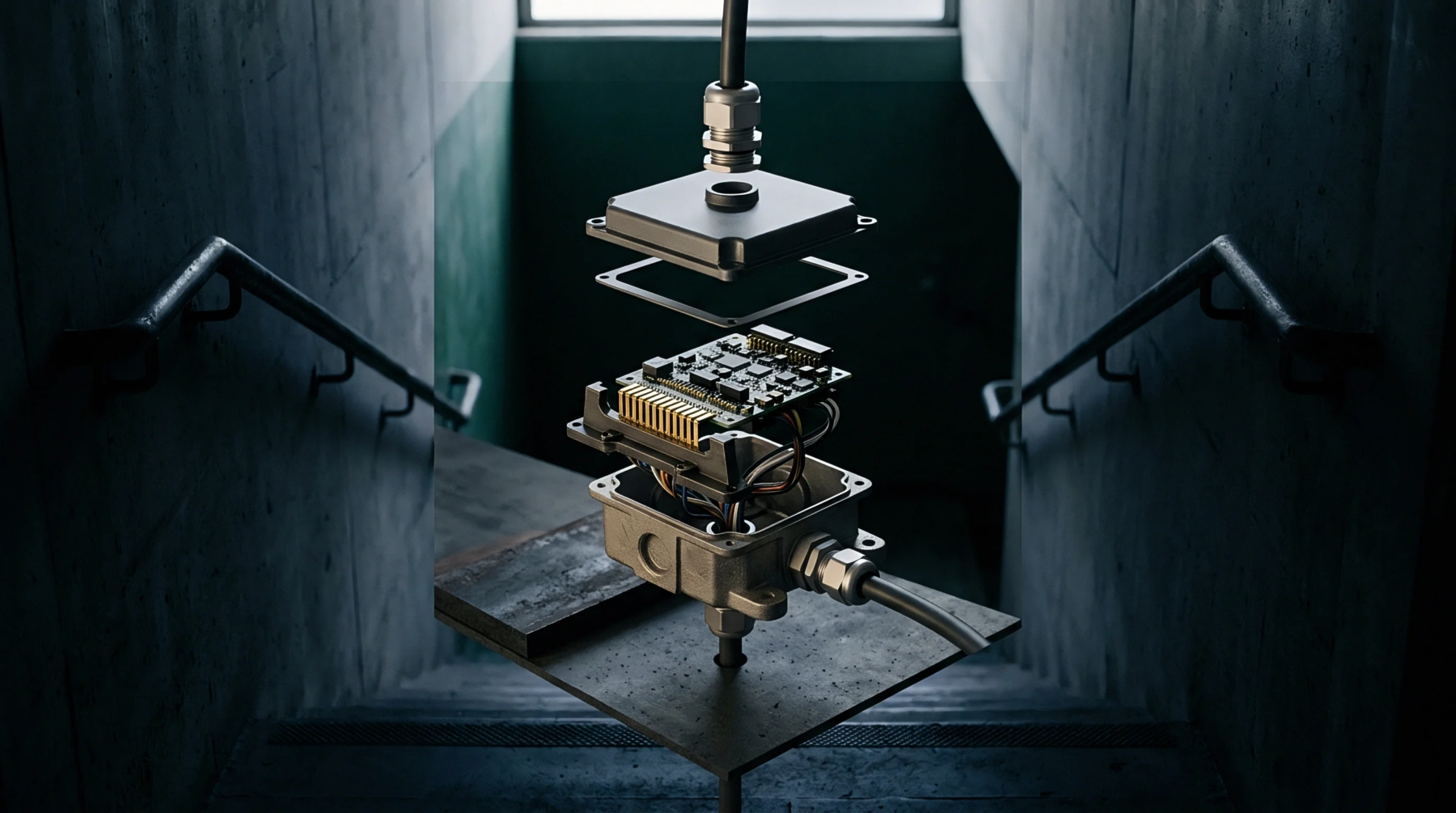
Protective materials seal electronic assemblies within a housing to provide isolation from harsh environmental conditions. A potting compound fills the entire cavity of an enclosure, completely submerging the components in a solid or gel barrier. This process prevents the entry of moisture and corrosive chemicals, while also dampening mechanical shock.
Material Selection
Different polymer chemistries, such as epoxy or silicone, offer distinct thermal and mechanical properties. Choosing the correct potting compound requires matching the glass transition temperature of the material to the expected operating range of the device. This selection prevents mechanical stresses from damaging fragile surface-mount components as temperatures fluctuate.
Dispensing Method
Automated dispensing systems mix the two parts of the compound in precise ratios immediately before application. This mixture is then deposited into the housing, where it flows around the components to fill all air gaps. Proper viscosity is essential during this stage to ensure that the compound fills the smallest gaps without creating internal voids.
Performance Validation
Cured assemblies undergo thermal shock testing to ensure that the material does not delaminate from the substrate or crack under stress. The thermal conductivity of the potting compound must also be verified, as it is responsible for dissipating heat generated by internal power components. An inadequate heat dissipation path can lead to premature component failure due to localized thermal build up.
Evaluating the dielectric strength of the cured layer ensures that it provides sufficient electrical isolation under high-voltage conditions. This validation step is necessary to confirm that the encapsulated product is reliable for long-term deployment.