Meaning
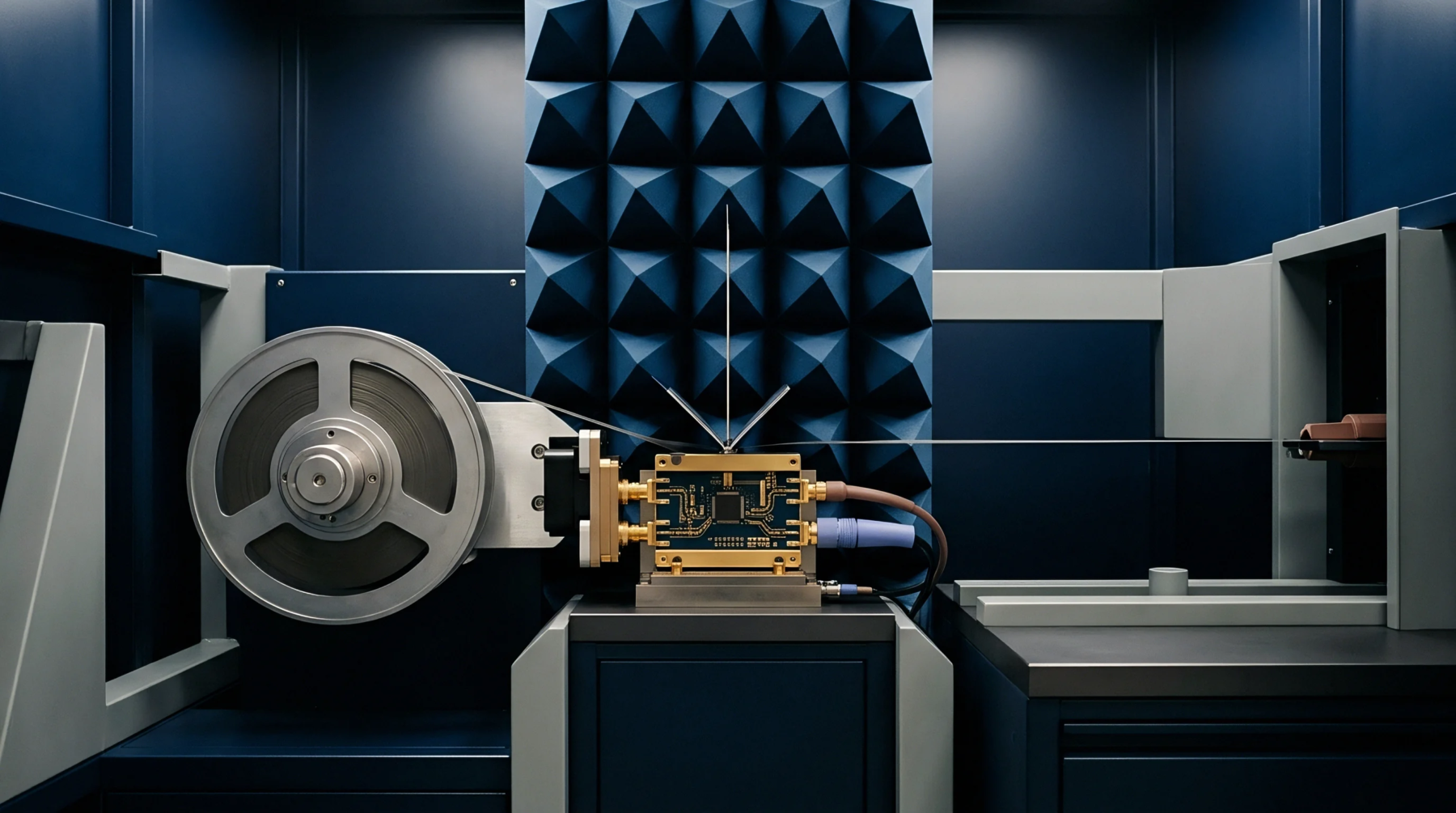
Minimum energy thresholds define the point where a radio can no longer distinguish a data signal from background noise. The receiver sensitivity floor is determined by the hardware design, including the quality of the low noise amplifier and the precision of the analog-to-digital converter. A lower floor allows a device to maintain a connection at much greater distances or through thicker walls.
Detection Boundary
Successful communication stops once the incoming signal power drops. At this level, the probability of correctly decoding the bits becomes too low.
Component Limitation
Thermal noise generated by the internal circuitry sets a natural limit on how low the sensitivity can go. Choosing high-end components can push the receiver sensitivity floor down, but this often increases the cost and power consumption of the device. Designers must find a balance that meets the requirements of the application without over-engineering the radio.
Operating Range
Real world environments are rarely quiet, often raising the effective noise level above the laboratory minimum. While the receiver sensitivity floor is a fixed specification, the presence of other electronics in the enclosure can interfere with the radio and mask weak signals. Protecting the antenna from internal noise is just as important as the raw sensitivity of the chips themselves.