Meaning
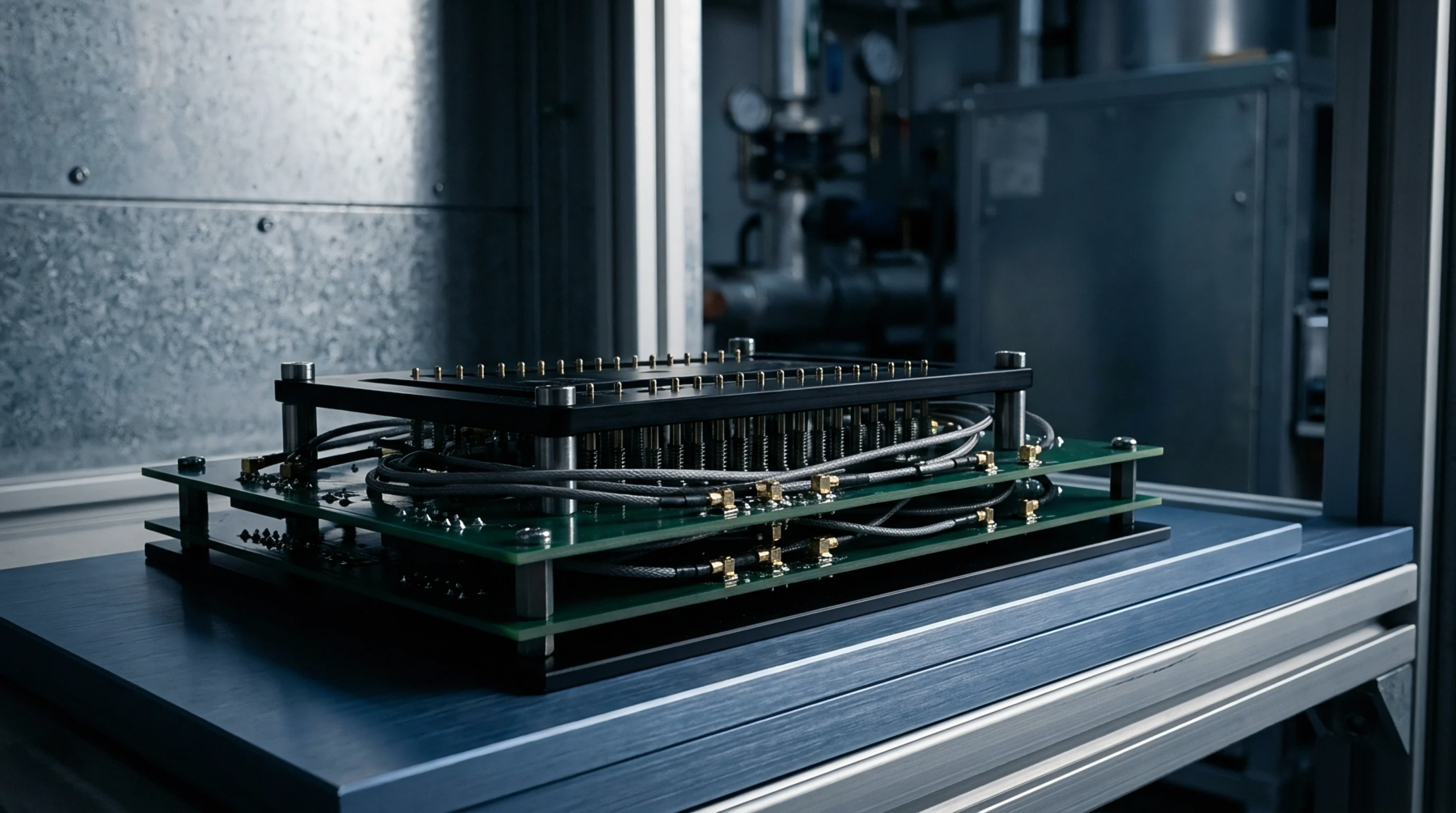
The array of designated measurement locations distributed across a surface or volume defines the pattern. Using a sixteen point grid allows technicians to evaluate the spatial uniformity of thermal or electromagnetic parameters within a test area. This structured measurement prevents localized hot spots or weak signals from going unnoticed.
Geometric Alignment
Even distribution of measurement sensors guarantees that the entire area is covered. Laying out a sixteen point grid across the floor of a chamber prevents test bias. This geometric arrangement provides a representative sample of the environment.
Sensor Calibration
Environmental chambers must maintain uniform temperature and humidity levels to ensure reliable testing. Collecting data from a sixteen point grid helps calibrate the heating and cooling loops to eliminate regional variation. This calibration ensures that every device under test experiences the same conditions regardless of its position.
Performance Consistency
Industrial standards require repeatable testing across different manufacturing lots to ensure consistency. When qualifying a new chamber, engineers utilize the sixteen point grid to document the boundary limits of the system. This detailed mapping guarantees that the test environment remains stable over long operational periods, proving that the hardware conforms to the specifications required for product certification.