Meaning
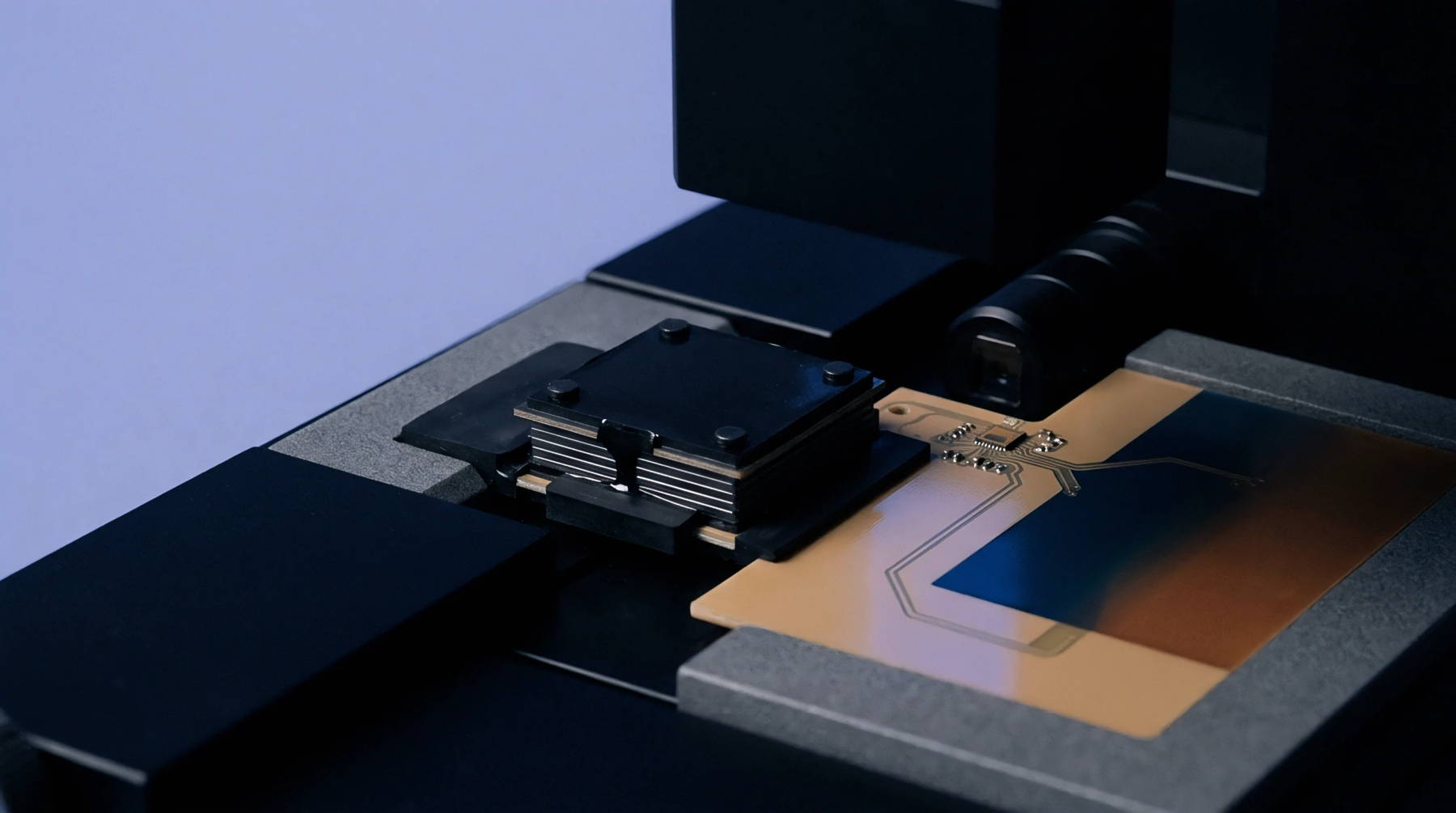
An hermetically sealed vessel containing sulfur hexafluoride serves as the primary dielectric medium within gas insulated switchgear to prevent electrical arcing between high voltage components. A sulfur hexafluoride gas cell maintains chemical stability and high electronegativity at elevated pressures, allowing for a compact physical footprint compared to atmospheric air insulation. This dielectric strength provides the requisite isolation for circuit breakers and disconnect switches operating in dense utility distribution environments.
Dielectric Performance
High voltage engineering relies on the electronegative properties of this inert compound to capture free electrons within an ionized gap. Rapid recombination of charges occurs when a sulfur hexafluoride gas cell encounters an electric field, effectively quenching plasma channels before a fault reaches full intensity. The pressure rating of the enclosure dictates the hold-off voltage capacity, where higher internal densities allow for tighter clearances between phase conductors.
Structural Integrity
Mechanical enclosures must withstand significant internal pressure differentials throughout a service lifespan exceeding twenty years. Manufacturers subject each sulfur hexafluoride gas cell to rigorous leak rate testing using mass spectrometry to confirm the hermetic seal remains intact against atmospheric diffusion. Fatigue resistance prevents micro-cracks from developing near weld joints, which would otherwise lead to a drop in the density of the insulating medium and a consequent failure of the switchgear insulation coordination.
Operational Lifecycle
Routine maintenance protocols involve monitoring the moisture content and gas density to ensure the arc quenching capability remains within safety thresholds. Contamination from decomposition byproducts like thionyl fluoride requires the use of molecular sieve adsorbents mounted inside the housing to maintain the purity of the sulfur hexafluoride gas cell over time. Proper management of the internal gas chemistry ensures the longevity of the metallic contacts by preventing corrosive erosion during switching events.