Meaning
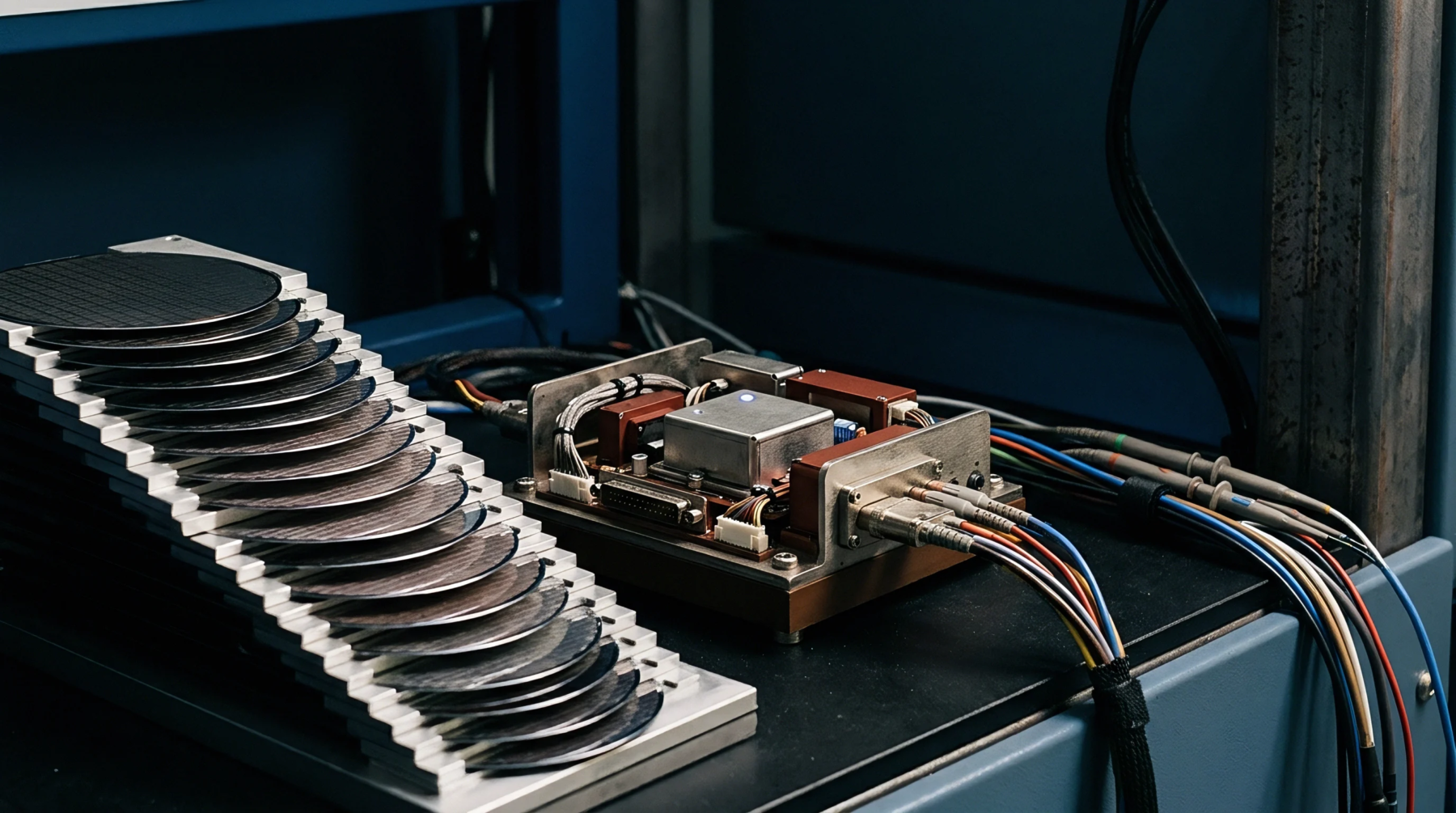
Hardware customisation under a white-label agreement transfers manufacturer identity to a third party brand by applying external housing graphics and boot logos during factory programming. Contractual terms govern the exact placement of logos and the exclusion of original factory markings from user visible surfaces. Factory validation stops at the boundary of firmware branding, leaving regulatory compliance testing under the original manufacturer responsibility.
Firmware Modification
Custom firmware loads during final board assembly to replace standard hardware startup sequences with brand specific assets. Flash memory partitions store the adjusted bootloader and asset files without altering radio frequency calibration or power management parameters. Engineers verify checksums on modified images prior to writing data blocks onto the target memory chips.
Hardware Enclosure
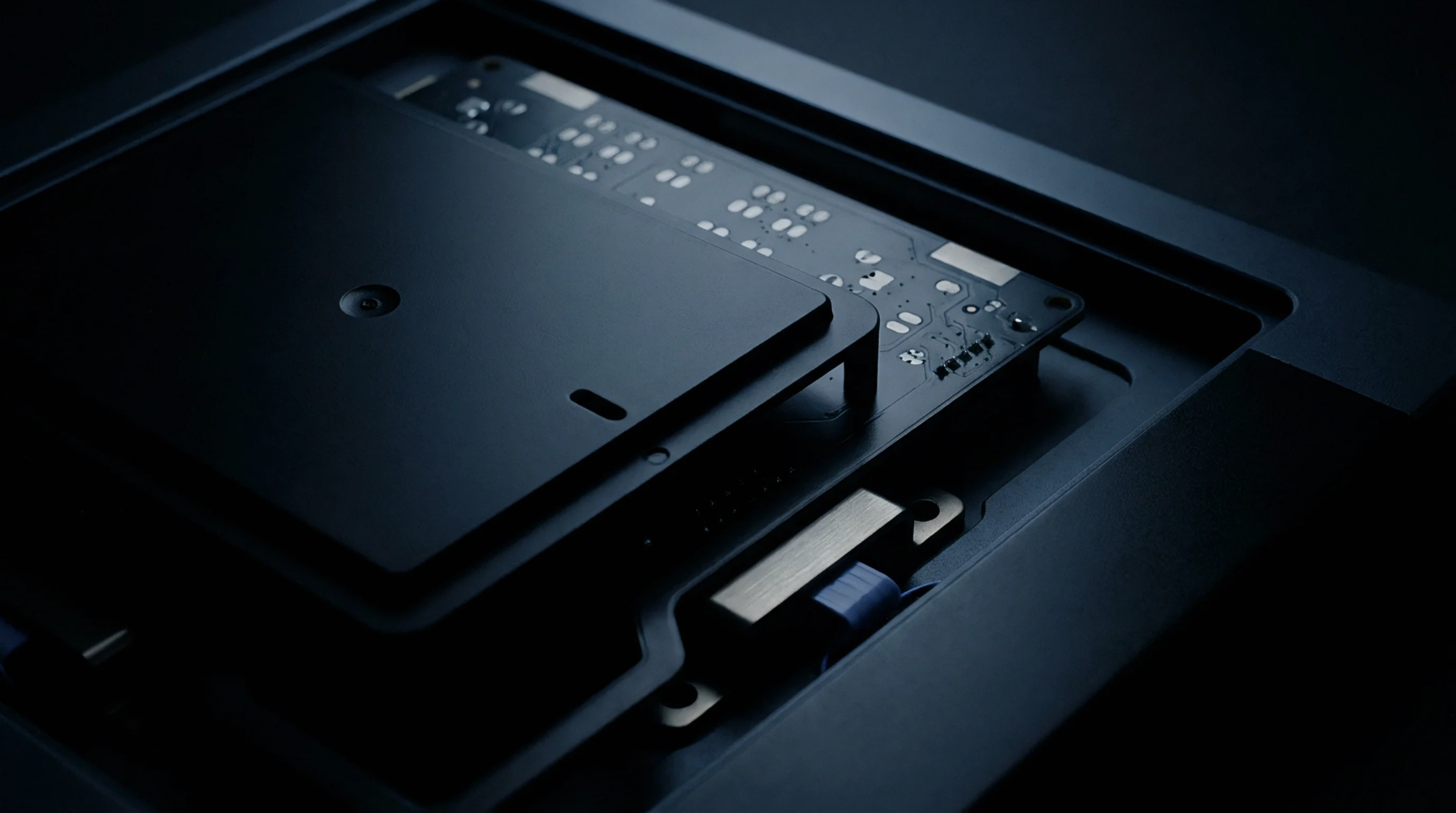
Mechanical design changes restrict alterations to non structural decorative plates and snap fit bezels. Thermal dissipation paths and electromagnetic shielding remain unmodified from the base specification to preserve baseline radio certification validity. Production lines apply custom colored plastics that match the buyer industrial design guidelines while retaining internal screw boss locations.
Regulatory Transfer
Certification documentation lists the original manufacturer as the grantee while noting the commercial brand name as a reference listing. Compliance testing laboratories review housing modifications for flammability ratings and dielectric strength before approving exterior changes. Finished assemblies ship with updated regulatory labels showing the reseller identifier alongside the original FCC identification number.