Meaning
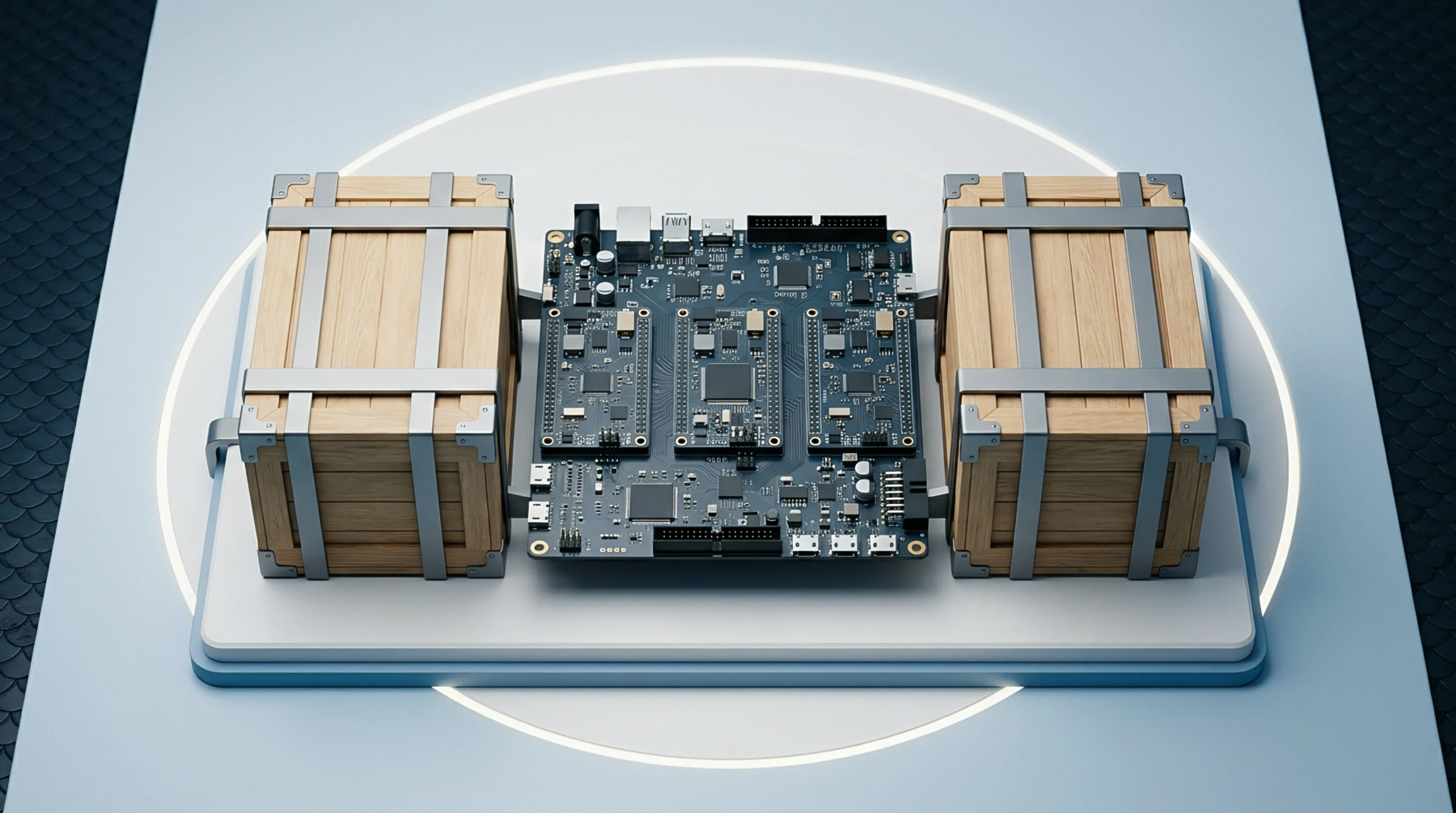
A bill of materials audit verifies component fidelity between the engineering release and the physical assembly loaded onto a production line. Procurement teams execute this verification during the manufacturing handover to catch discrepancies in part revisions, alternate substitutions, and vendor substitutions before volume assembly starts. Unverified production runs risk expensive rework cycles when unlisted components fail thermal qualification or miss regulatory compliance marks.
Component traceability suffers when documentation diverges from the physical stockroom inventory.
Revision Control
Engineering change orders alter the baseline configuration of connected hardware assemblies over time. A bill of materials audit reconciles historical design documentation against current component availability from authorized distributors. Obsolete semiconductors or banned hazardous substances frequently linger in legacy schematics until systematic cross-referencing forces an update.
Designers often overlook downstream mechanical constraints when approving substitute parts for minor cost reductions.
Inventory Reconciliation
Physical counting matches stocked reels and loose components directly to line-item entries in the enterprise resource planning database. Discrepancies between recorded stock and physical bins reveal internal shrinkage, supplier mislabeling, or unrecorded scrap generation. Automated pick and place machines jam when physical tape dimensions fail to match the digital feeder file specifications.
Supply chain managers rely on this physical verification step to prevent unexpected production halts caused by depleted sub-assembly buffers.
Traceability Verification
Regulatory compliance depends entirely on unbroken documentation linking every installed sub-assembly to its original fabrication batch. A bill of materials audit traces unique serial numbers and date codes backward from the finished device to the semiconductor fabrication plant. Regulatory bodies reject certification applications immediately when the physical bill of materials contains untraceable parts of unknown provenance.
Final market clearance requires documented proof that every integrated circuit meets the specified electrostatic discharge thresholds and environmental directives.