Meaning
Wireless personal area networks rely on short-range radio signals to exchange data between localized smart devices. Characterizing bluetooth low energy emissions involves measuring the spurious radiation and out-of-band power generated during active transmission cycles. These measurements determine whether the localized radio satisfies regional electromagnetic compatibility standards.
Designers must monitor these bursts to prevent interference with nearby receiver circuits.
Physical Emission
Electromagnetic radiation from low-power chips consists of the intended carrier wave alongside unwanted harmonic peaks. For bluetooth low energy emissions, these harmonics typically concentrate around the second and third order multiples of the two-point-four gigahertz band. The physical board layout and decoupling capacitor choices directly influence the magnitude of these unwanted peaks.
High-speed digital traces on the circuit board can couple energy into the antenna line.
Measurement Environment
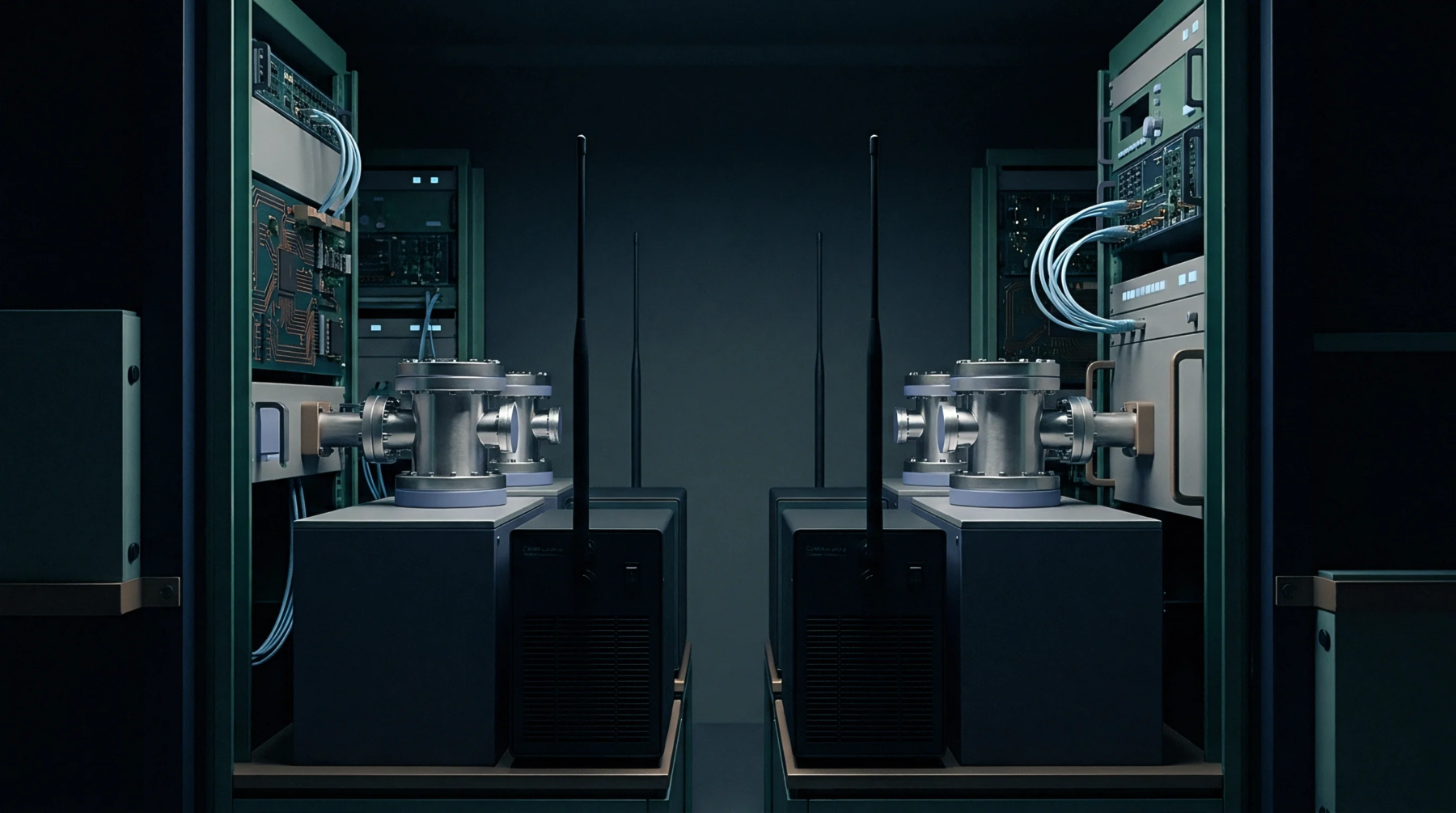
Radiated power testing must be performed within an anechoic chamber to isolate the transmitter under test from ambient electromagnetic noise. When measuring bluetooth low energy emissions, the device operates in a continuous transmission mode on low, middle, and high channels to simulate worst-case stress. The measurement receiver utilizes a spectrum analyzer configured with specific resolution bandwidths, such as one hundred kilohertz for out-of-band checks.
Technicians adjust the antenna height between one and four meters to locate the maximum emission amplitude. This systematic search guarantees that the peak values are not missed during certification.
Certification Limit
Regulatory agencies enforce strict thresholds to keep the surrounding spectrum clean and usable for all services. In the context of bluetooth low energy emissions, the transmitter must conform to limits defined by agencies such as the Federal Communications Commission. Unwanted emissions in restricted bands must fall below specified field strength values when measured at a distance of three meters.
Compliance ensures the device can be legally marketed.