Meaning
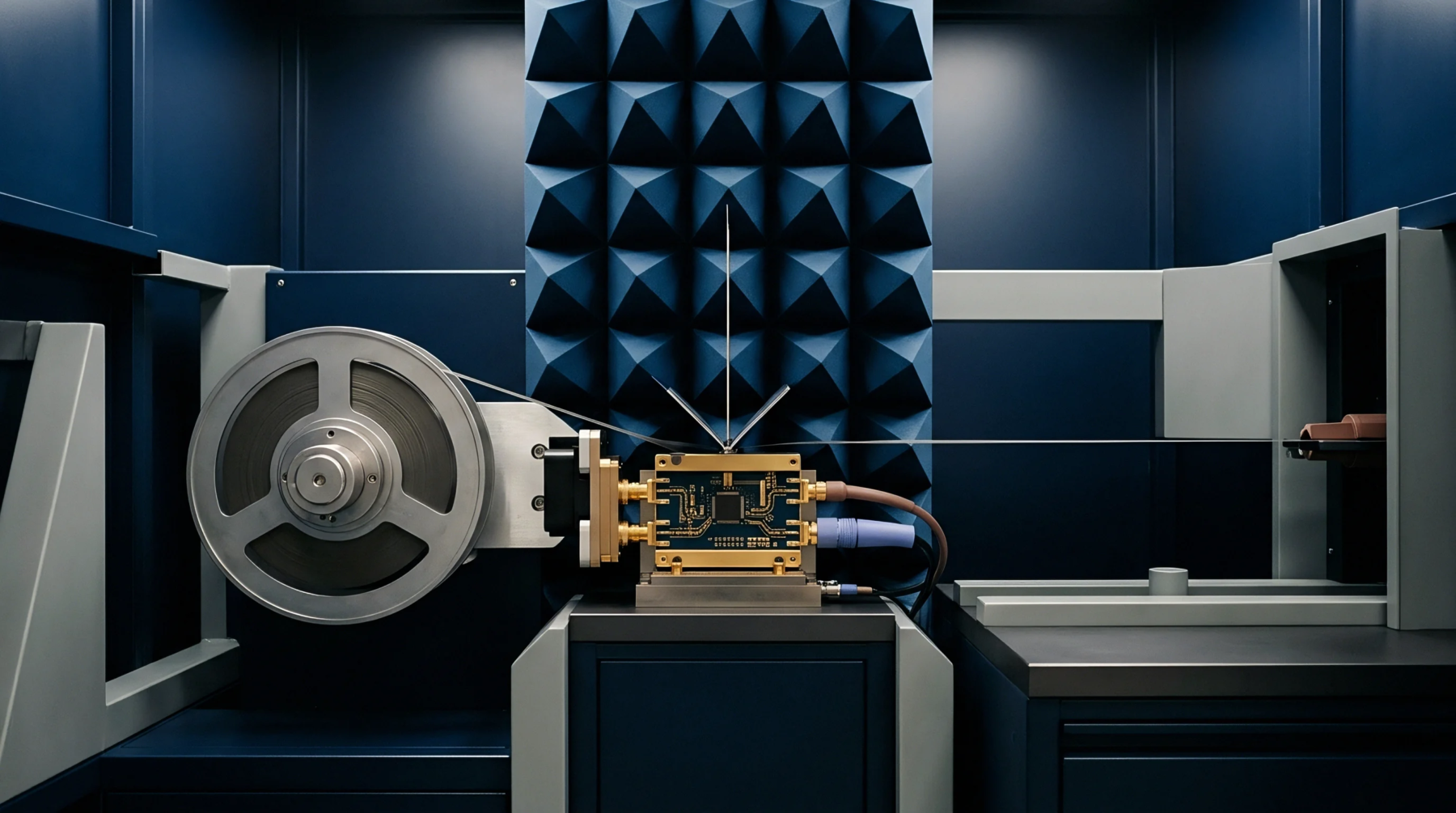
Laboratory scheduling dictates the availability of specialized shielded environments for measuring radio performance. Chamber time allocation is a central part of the product development cycle, as these facilities are often shared among multiple engineering teams or external clients. Efficient use of these windows ensures that the necessary regulatory and performance data is collected without delaying the market launch.
Demand Capacity
Demand for high-quality anechoic chambers usually exceeds the available hours in a typical work week. During chamber time allocation, project managers must prioritize the most complex tests, such as total radiated power or receiver sensitivity, which require several hours of setup and calibration. A missed window can result in a delay of several weeks if the facility is fully booked by other companies or internal departments with higher priority projects.
Test Throughput
Automated scripts are often used to maximize the data gathered during a scheduled period. Once the chamber time allocation begins, the engineers follow a strict sequence of antenna rotations and frequency sweeps to ensure every necessary angle is covered. This rapid execution is the only way to complete a full three-dimensional map of the antenna pattern within the allotted time.
Project Schedule
Final certification depends on having a complete set of results from an approved lab. If the chamber time allocation is not managed carefully, the hardware design might be finalized before the RF performance is fully understood. Early booking allows the team to identify and fix antenna issues while there is still time to modify the enclosure or the circuit board.