Meaning
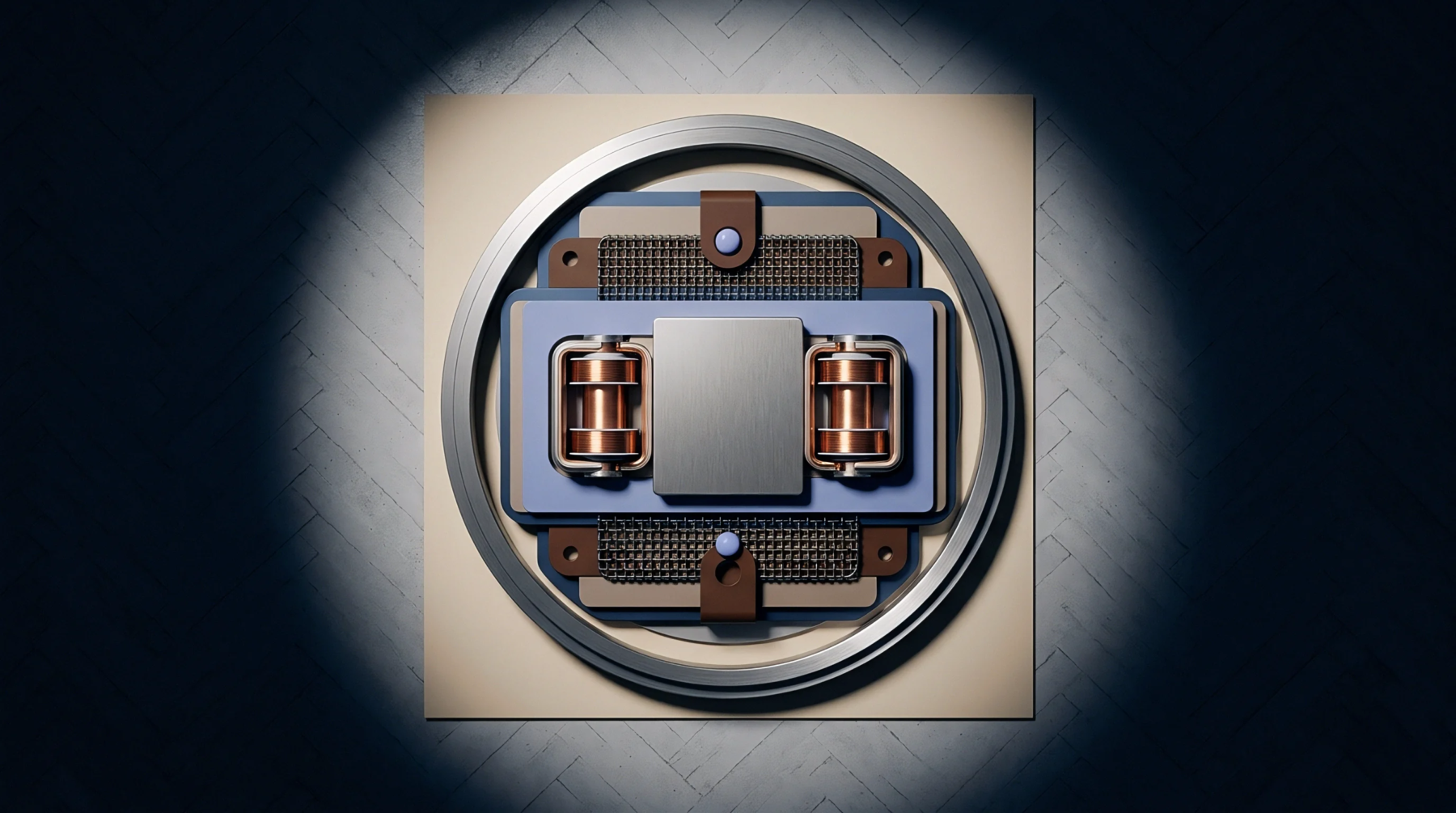
Physical separation requirements between an antenna element and surrounding conductive or non-conductive structures within a device enclosure. Proper spacing ensures that the electromagnetic field can propagate without excessive detuning or energy loss. Effective clearance mechanics prevent metallic components from coupling with the radiator and distorting the intended radiation pattern.
Design Optimization
Volume constraints often force engineers to trade antenna efficiency for a more compact form factor. Maintaining clearance mechanics involves a rigorous analysis of the stay-out zones where no screws or metal brackets may reside. Small changes in the distance to the ground plane heavily shift the resonant frequency.
Performance Impact
Poorly managed spacing leads to increased return loss and reduced total radiated power. In modern slim devices, clearance mechanics define the absolute boundary of the industrial design before internal component layout begins. If a metallic camera ring sits too close to the LTE antenna, the resulting mismatch might require an external matching network to correct the impedance.
Such corrections often introduce extra insertion loss that degrades the overall link quality.
Material Selection
Dielectric constants of the plastic or glass housing influence the required distance for stable operation. When high-permittivity materials are used, the clearance mechanics must be adjusted to account for the loading effect on the antenna. This relationship dictates the final thickness of the device.