Meaning
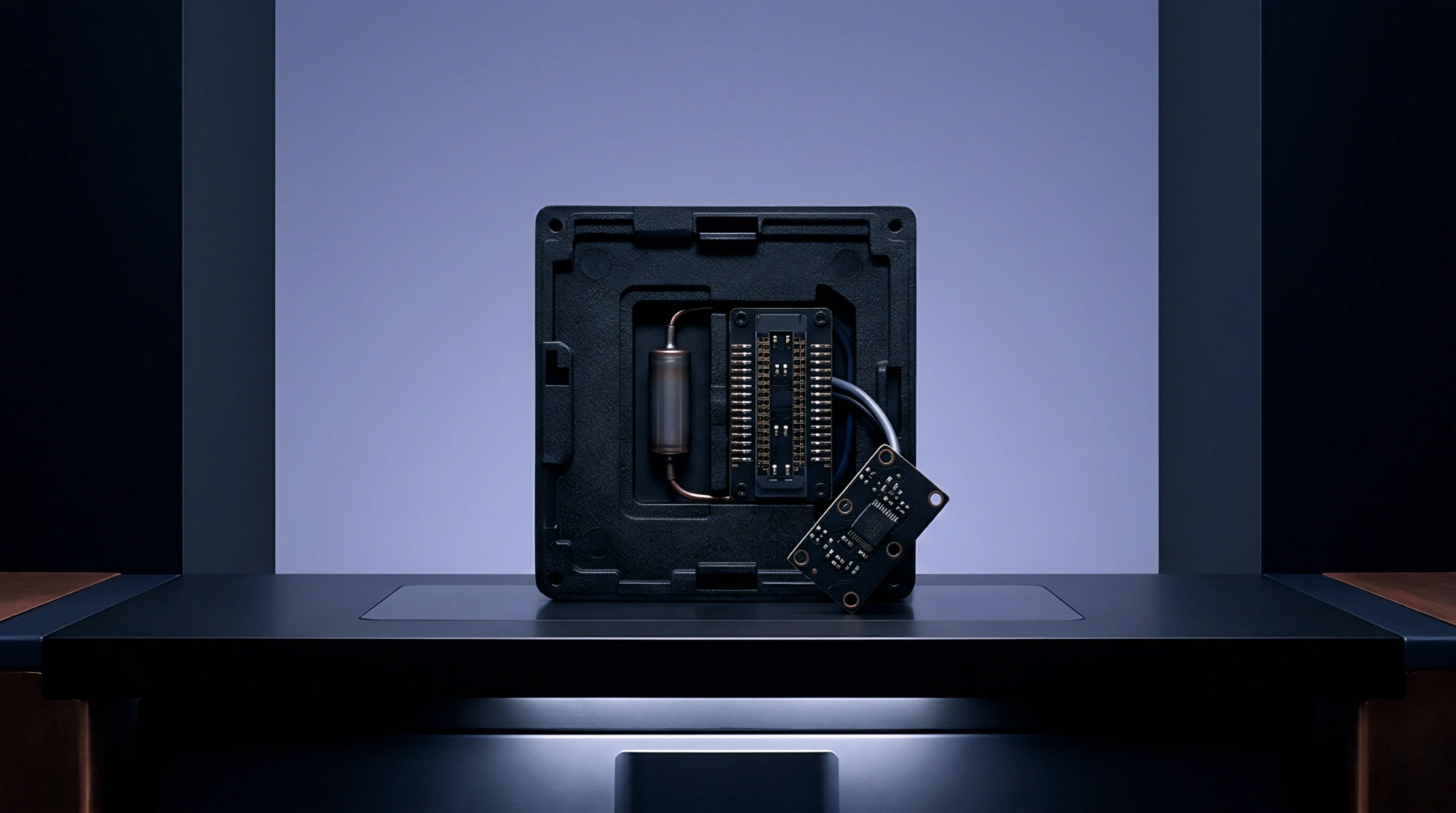
RF verification procedures executed prior to formal compliance testing measure transmitter output power directly from a temporary or permanent coaxial interface on a circuit board. A conducted power prescan isolates RF performance from antenna gain or enclosure resonance, establishing baseline output levels across configured channels and modulation modes before entering an accredited chamber. This measurement defines whether the RF front end meets target power tables before exposure to regulatory certification runs.
Direct Port Measurement
Coaxial connection directly to the transmitter output bypasses over-the-air path loss and multipath reflections. Execution of a conducted power prescan requires temporary soldering of a micro-coaxial probe to the printed circuit board trace, followed by frequency sweep verification across operating channels. Signal analyzers capture peak and average power levels under full transmit duty cycles.
Early Discrepancy Detection
Thermal dissipation degrades transmitter performance during sustained transmission bursts. Running a conducted power prescan exposes amplifier saturation and incorrect calibration settings before laboratory submission.
Attenuation Calibration Boundary
Measurement accuracy depends strictly on accounting for cable attenuation, board trace loss, and directional coupler insertion loss. The conducted power prescan loses validity if line losses remain uncharacterized or if impedance mismatches introduce standing waves into the measurement path. RF engineers apply offset tables directly within the spectrum analyzer to ensure raw power readings match true output values at the component boundary.