Meaning
Mechanical endurance evaluations verify the reliability of flexible printed circuits subjected to repetitive movement. Performance during dynamic flex testing reveals the resistance of copper traces and polyimide substrates to work hardening and fracture. This method simulates the opening and closing of a hinge or the movement of a robotic arm.
Mechanical Stress
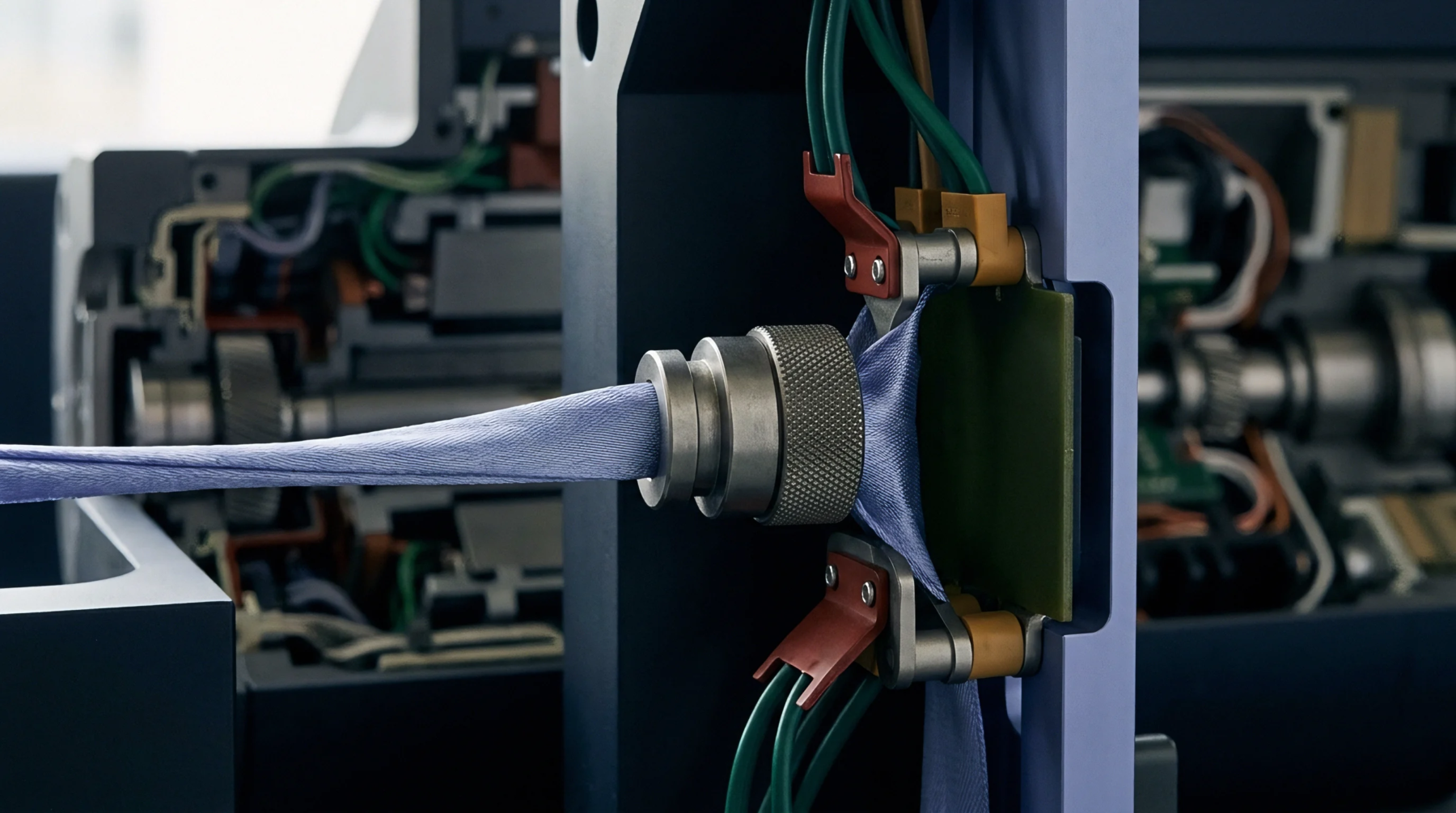
Test fixtures bend the sample around a mandrel of a specific radius to create uniform strain. Speed and angle of the flexure are controlled to ensure repeatable results between batches. Tension is applied to keep the material flat during the reciprocating motion.
Variations in the bend radius allow engineers to find the limit of the material before permanent deformation occurs.
Failure Criterion
Monitoring of electrical resistance during the trial detects the onset of microscopic cracking. A common threshold for failure involves a ten percent increase in the resistance of a daisy chain circuit. Visual inspection after the test identifies delamination or tearing at the edges of the substrate to confirm the source of the electrical degradation.
Lifecycle Prediction
Statistical analysis of the cycles to failure helps determine the expected service life of the assembly. Results guide the placement of stiffeners and the routing of critical signal lines.