Meaning
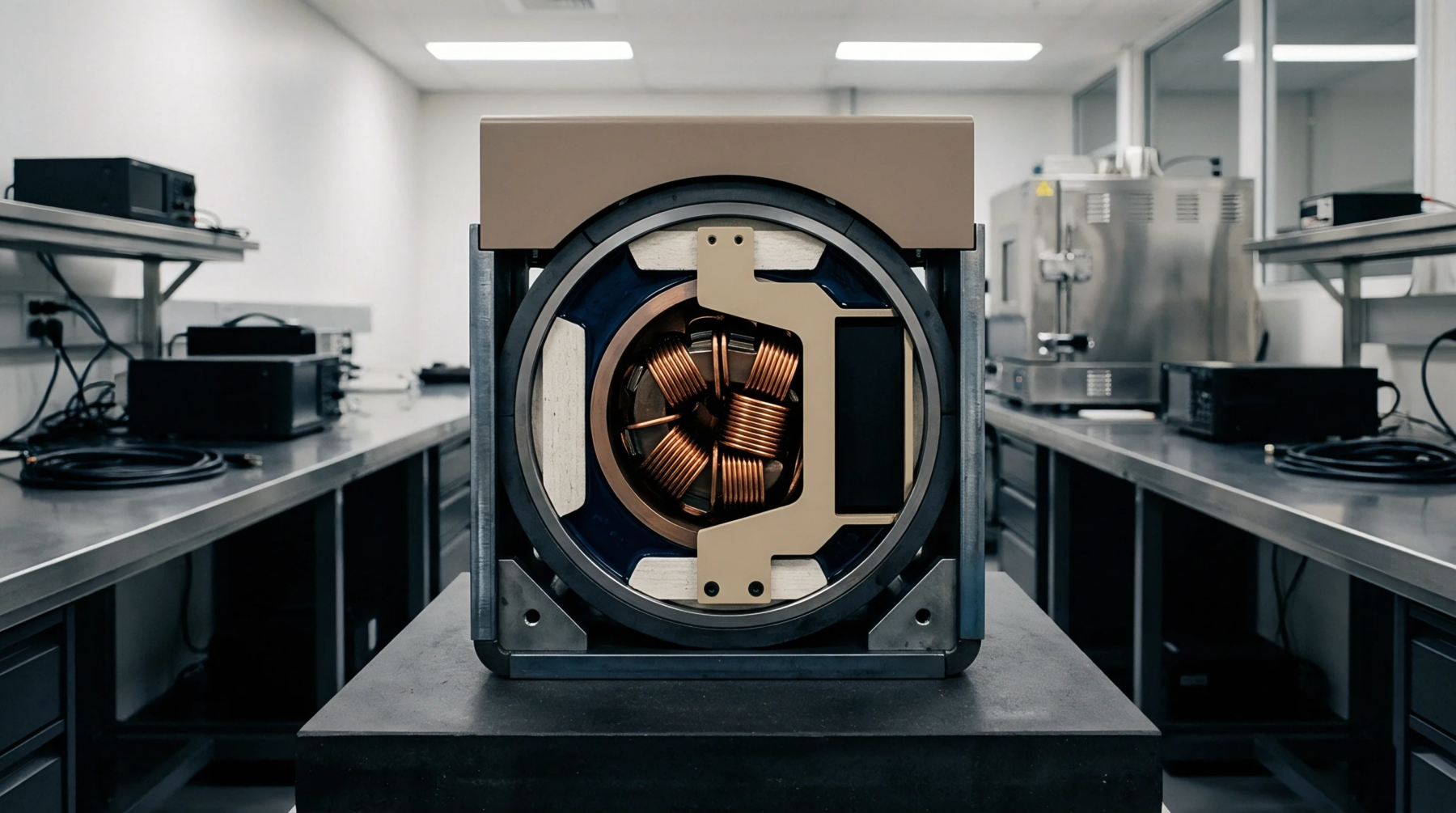
Mechanical acceleration peak represents the maximum force a component survives before permanent structural deformation occurs. This dynamic shock limit defines the threshold where internal mounting integrity fails during impulsive loading events. Designers reference this value to calibrate shock isolation materials within enclosures.
Structural Rating
Engineers calculate this threshold by examining the total energy transfer during short duration impacts. The dynamic shock limit relates directly to the mass and stiffness of the internal assembly, as higher mass demands more robust dampening interfaces to keep kinetic energy below the rupture point. Verification occurs when the unit remains functional following high amplitude velocity changes.
Compliance Protocol
Procurement teams demand certification records showing the dynamic shock limit measured under standardized pulse profiles. Laboratories verify these values using calibrated drop testers that simulate handling or transit accidents. Data sheets record these results alongside vibration tolerances to ensure the hardware maintains electrical connectivity throughout the deployment cycle.
Integration Constraint
Packaging specialists select external housings based on the dynamic shock limit of the enclosed electronics. Excessive stiffness within the chassis transfers too much energy to the circuits, so designers add flexible gaskets to spread the force over longer timeframes. This practice allows the overall assembly to withstand higher external impacts than any single component possesses.