Meaning
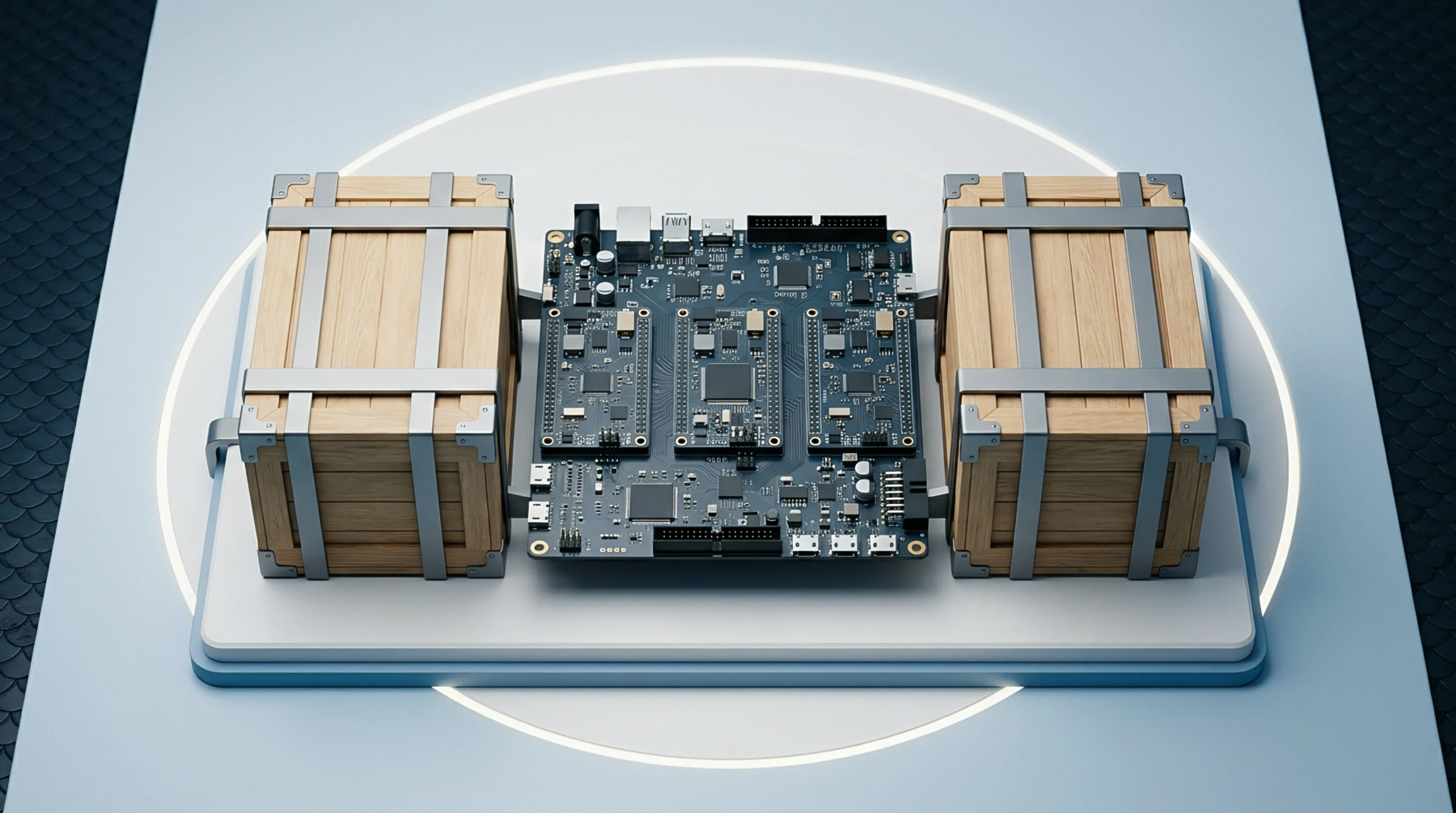
Graphical manufacturing instructions establish the geometric tolerances, material specifications and assembly paths required to build a physical hardware product from engineering data. These technical blueprints bridge the gap between design intent and machine execution by translating three dimensional computer aided models into two dimensional shop floor directives. Production engineers rely on fabrication drawings during CNC programming and sheet metal bending to verify that every hole, edge and bend allowance matches the intended mechanical fit.
Geometric Dimensioning
Positional tolerances define the allowable variation of features relative to a theoretical exact location on a component. Manufacturers apply these limits to mating surfaces so that printed circuit board enclosures align correctly with internal chassis mounting bosses without inducing mechanical stress on soldered joints. Datum reference frames constrain the six degrees of freedom during machining operations to guarantee interchangeability across production batches.
Thermal Budget
Sheet metal thickness and cutout patterns dictate how effectively an enclosure conducts heat away from embedded processing boards. Designers calculate these thermal transfer paths by analyzing the cross sectional area defined in the manufacturing schematics alongside the surrounding air gap clearances. Material choices such as aluminum alloys influence the rate of heat dissipation and prevent localized hotspots from degrading semiconductor reliability during sustained operational loads.
Mechanical Interface
Final assembly checks depend on the physical verification of fastening holes and edge clearances against mating hardware before volume production commences. Quality inspectors review the dimensioned blueprints during the first article inspection phase to catch discrepancies between the supplier manufacturing line and the buyer integration specification. Dimensional accuracy at this final handover stage determines whether the completed chassis accepts the target circuit board without requiring secondary manual machining.