Meaning
Regulatory standards established by the Federal Communications Commission define maximum allowable radiated and conducted electromagnetic emissions for electronic devices intended for residential environments. Compliance with fcc part 15 class b requires strict limits on unintentional radiation between 30 MHz and 40 GHz to prevent interference with commercial broadcasting and radio services. The standard imposes limits that are ten decibels more stringent than Class A commercial limits, reflecting the higher density of sensitive radio receivers in home settings.
Devices failing these limits cannot be legally marketed or sold in the United States.
Conducted Boundary
Power line emissions measurements evaluate high frequency noise fed back into the public AC power grid. Meeting fcc part 15 class b conducted emission limits requires line filters and common mode chokes on input power stages between 150 kHz and 30 MHz. Quasi-peak and average detectors verify compliance across the required spectrum.
Radiated Boundary
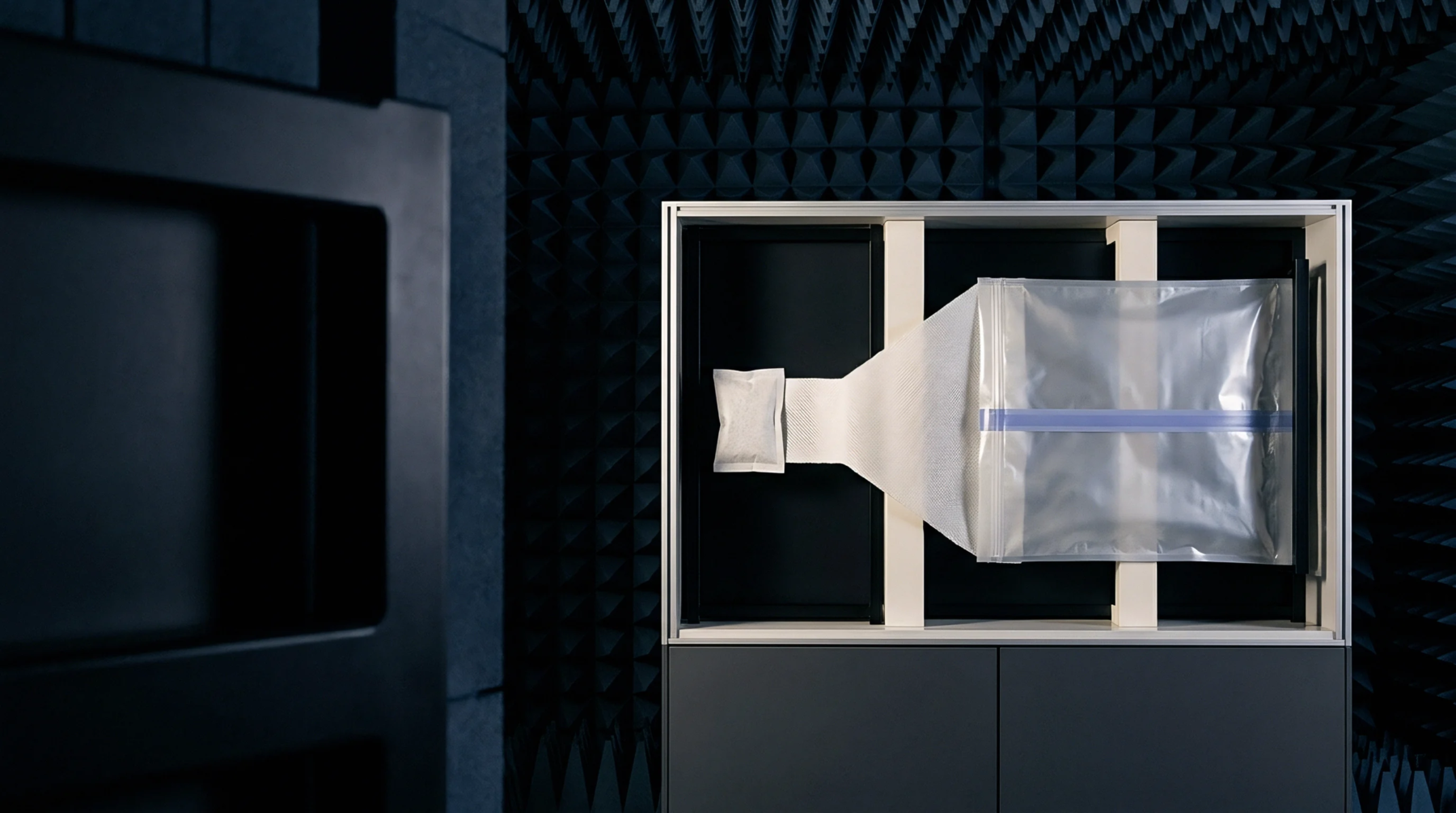
Open area test sites or anechoic chambers evaluate radiated field strength at specified distances of three or ten meters. Achieving fcc part 15 class b compliance demands careful printed circuit board layout, effective grounding, and shielded interconnect cabling.
Certification Handover
Formal test reports from accredited laboratories serve as legal proof of conformity prior to commercial distribution. Authorization requires retaining technical documentation and applying appropriate FCC compliance labeling to the product.