Meaning
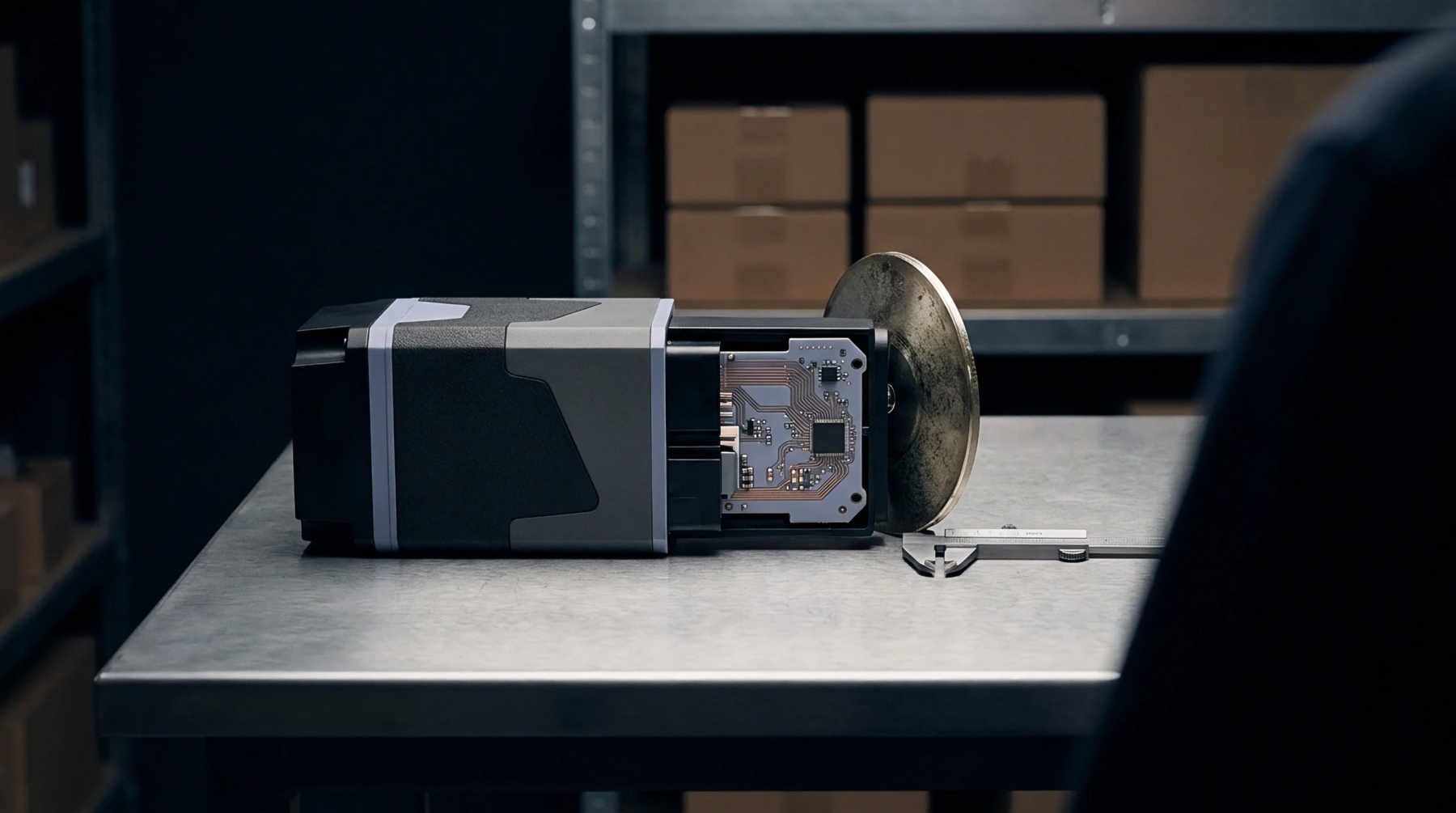
Validation confirming that binary images match the specified release state before burning into nonvolatile memory marks firmware acceptance verification. This gate operates at the manufacturing floor when a subassembly transitions from blank silicon to a populated printed circuit board carrying operational software. Production leads use the matching checksum to prove that the flash image matches the released binary from the version control system exactly.
Memory bounds and vector tables receive checking to stop malformed bootloaders from bricking the hardware before functional test scripts run. Boundary conditions limit this procedure to factory programming stations because field updates rely on separate transport protocols.
Thermal Margin
Operating limits dictate whether the processor accepts the payload under maximum clock frequency and elevated junction temperature. Silicon manufacturers publish safe operating areas where internal registers tolerate the write current without bit corruption. Power delivery networks experience voltage droop during flash erase cycles, causing partial programming faults if bulk capacitance lacks sufficient charge storage.
Test benches measure board temperature alongside current draw during the verification run to catch marginal regulator performance.
Interface Verification
Communication channels between the programming fixture and the target microcode must establish reliable handshakes before data transfer begins. Serial wire debug pins and joint test action group interfaces handle the bitstream injection under strict timing constraints. Signal integrity degrade over long harness runs, resulting in checksum mismatches that halt the station immediately.
Technicians inspect pullup resistors and trace lengths whenever repeated verification failures occur on the production line.
Handover Boundary
Quality control logs record the cryptographic hash of the verified memory contents to create a permanent trace for warranty claims. Downstream assembly steps enclose the printed circuit board inside its plastic housing, sealing the programming headers from further physical access. Field service technicians replace entire modules rather than reflashing individual chips when operational failures surface later.
Completed products leave the factory floor only after the verification flag transitions to the locked state in nonvolatile storage.