Meaning
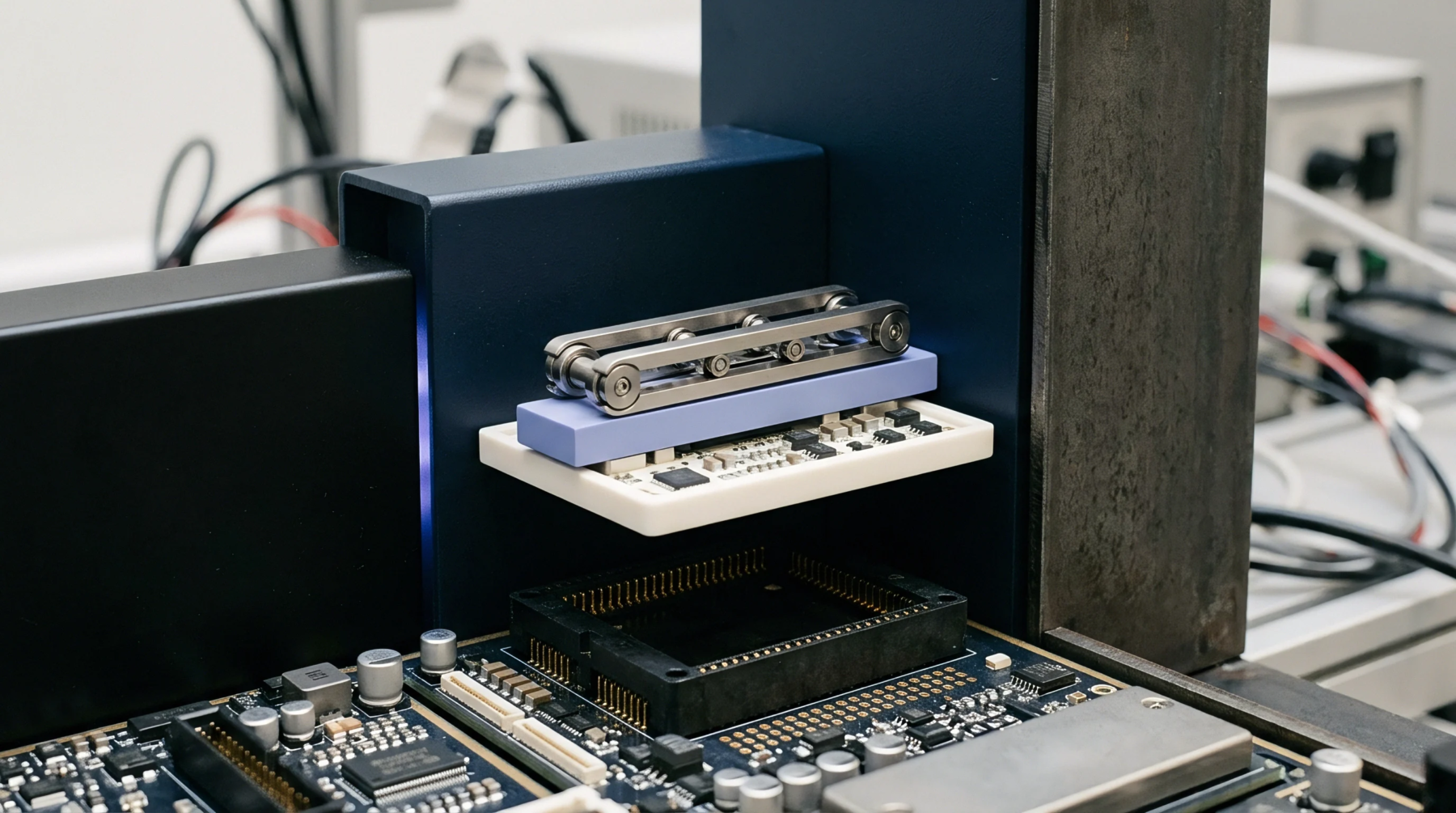
Automated test methodologies evaluate the electrical connectivity of printed circuit board assemblies without the need for custom hardware interfaces. A flying probe system uses movable needles to contact test points, vias and component pads according to a programmed sequence. This approach is preferred for prototype runs and low-volume production where the cost of a dedicated fixture is not justified.
Fixtureless Inspection
Eliminating the physical test fixture reduces the lead time between the completion of a design and the start of production testing. The flying probe machine moves its sensors rapidly across the board surface to check for shorts, opens and component values. This flexibility allows engineers to update the test program immediately if the board layout changes.
Fault Detection
High-speed movement and precise positioning allow the system to identify assembly errors that might be missed by visual inspection. When a flying probe encounters a resistance or capacitance value outside of the expected range, it flags the board for repair. The ability to access small surface-mount pads makes this method suitable for high-density modules.
Operational Cost
Investment in software programming replaces the recurring expense of building and maintaining mechanical test beds. While the flying probe is slower than a bed-of-nails tester for large batches, it offers superior cost efficiency for complex boards with frequent design iterations. The system provides a detailed report of every connection tested to support the quality records of the manufacturing facility.