Meaning
Specialized electromagnetic compatibility and radio frequency anechoic testing facilities situated in the northwestern manufacturing corridor of South Korea provide verified measurement environments for commercial electronics certification. Equipment manufacturers utilize Gyeonggi-Do chambers to execute radiated emissions, immunity, and over-the-air performance testing required for domestic regulatory approvals and global market trade entries. Measurement validity in these environments stops at the high-frequency physical limits of the installed hybrid absorber materials and the structural load thresholds of their internal positioning turntables.
Shielding Architecture
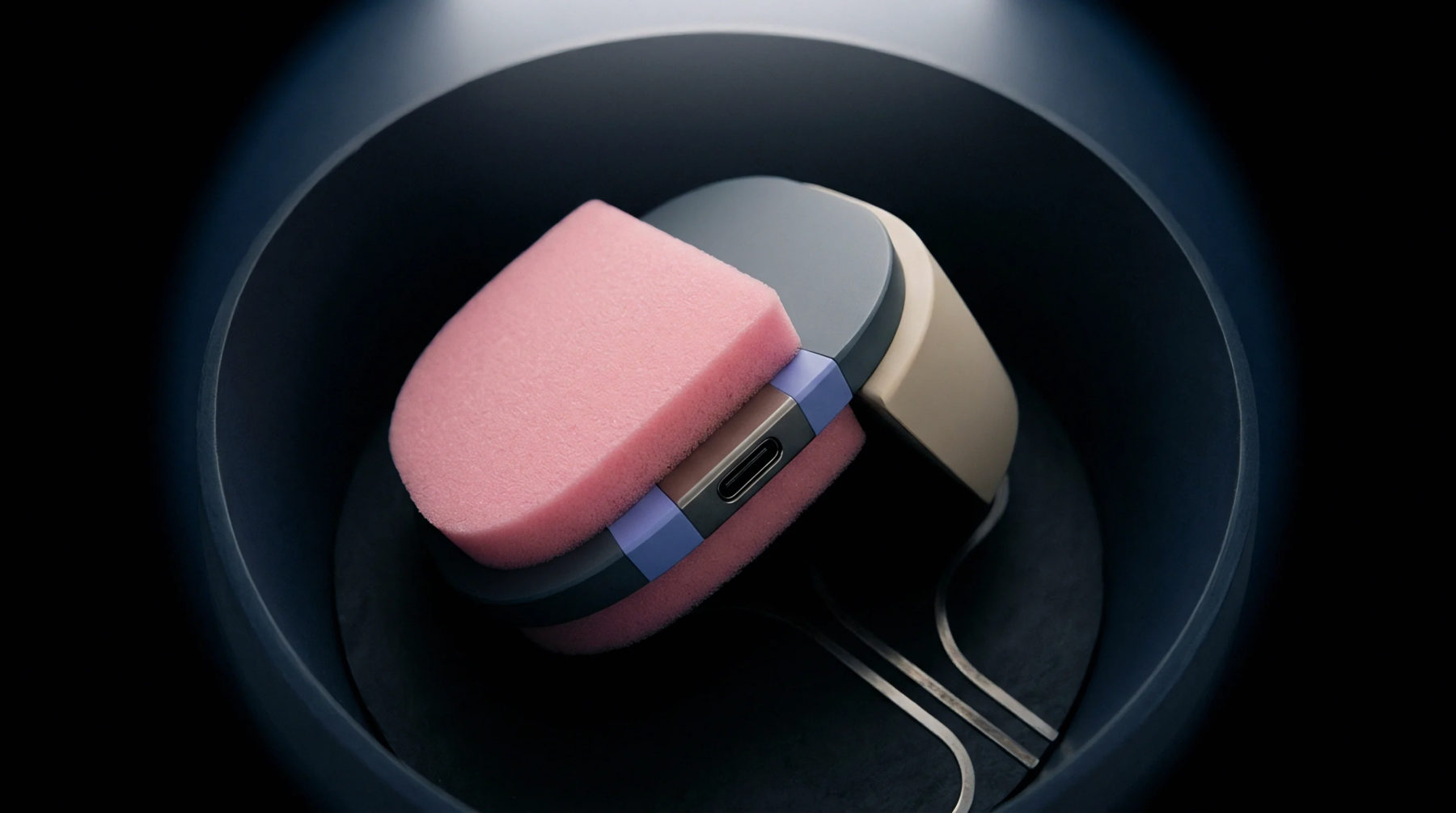
Controlled measurement volumes employ double-shielded galvanized sheet steel enclosures paired with broadband ferrite tiles and carbon-loaded pyramidal foam absorbers. This physical isolation eliminates ambient radio frequency interference from external cellular networks and commercial broadcast signals, maintaining a chamber noise floor well below regulatory evaluation limits. Semianechoic designs utilize metallic ground reference planes for standard commercial emissions measurements, while fully anechoic configurations line all six interior surfaces to isolate true three-dimensional radiation profiles.
Positioning masts and automated turntables coordinate via optical fiber interfaces to adjust device orientations without introducing conductive interference paths into the quiet zone.
Regional Testing Cluster
Proximity to major semiconductor production plants and consumer electronics assembly lines allows development teams to run iterative compliance troubleshooting within identical operational cycles. Product enclosures requiring structural revisions, supplemental ferrite clamps or alternate shield gaskets can return to testing within hours, minimizing project delay. Commercial laboratories operating in this geographical corridor maintain extensive accreditation matrices covering East Asian, European and North American test specifications.
Shared engineering practices across these facilities yield high data reproducibility between regional laboratories during regulatory round-robin testing audits.
Accreditation Boundary
Radio Research Agency designations dictate the legal acceptance of test data originating from private and commercial chambers across this corridor. Facilities undergo periodic field uniformity audits, normalized site attenuation verifications, and antenna calibration cycles to maintain formal designation under National Radio Research Agency guidelines. Deviations in site attenuation exceeding plus or minus four decibels relative to theoretical models invalidate collected compliance data.
Test reports signed by accredited signatories within these facilities serve as official proof of compliance for local conformity assessment registrations and international mutual recognition agreements. Quality system reviews ensure mechanical positioning fixtures, receiver calibration tables and cable loss records remain fully traceable to national metrology standards.