Meaning
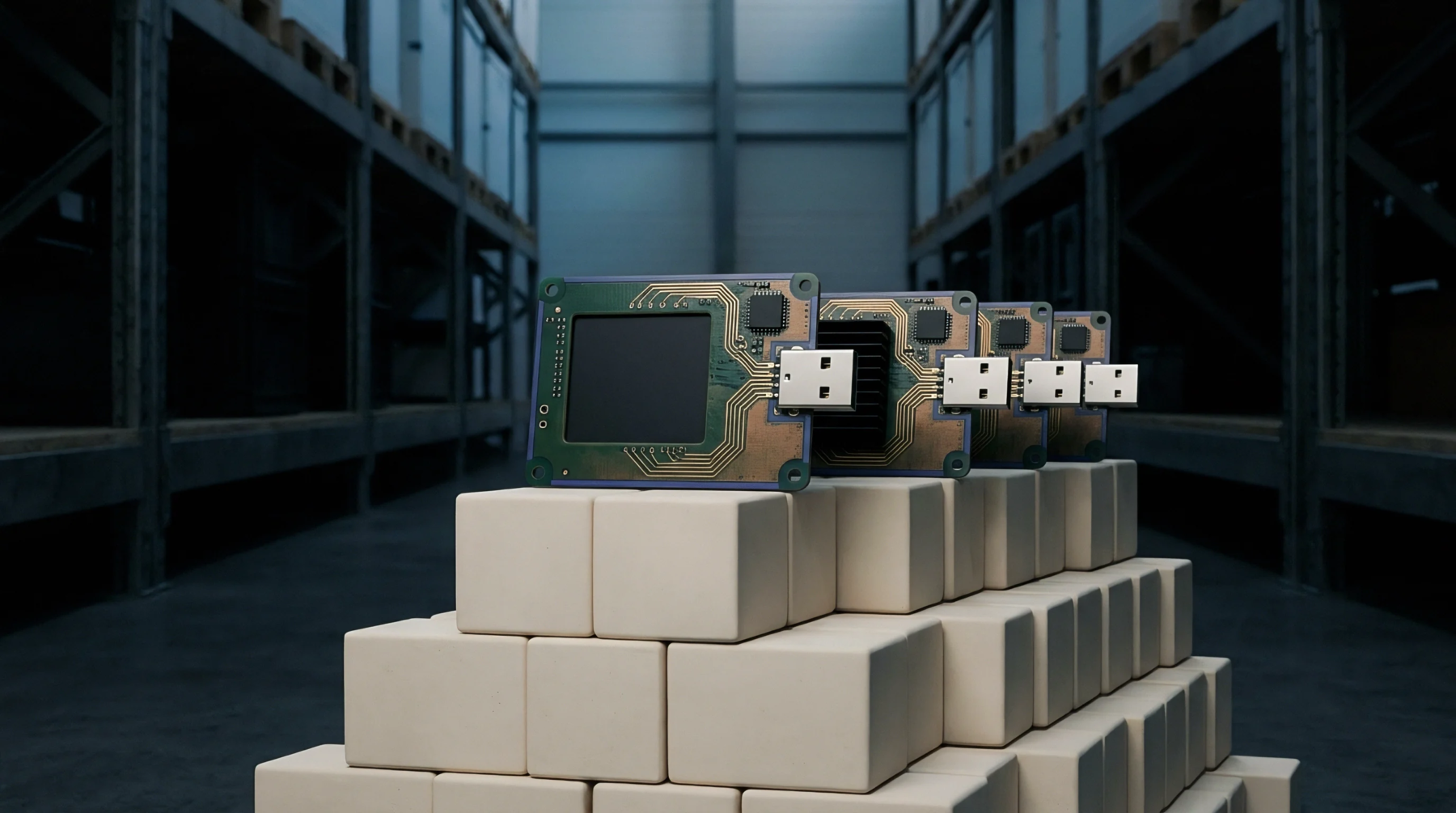
Device authentication protocols establish verified access between a peripheral component and a central controller before data transfer occurs. Host authorization confirms the legitimacy of an external hardware unit by checking its unique identifier against a secure internal registry. This handshake prevents unauthorized peripherals from executing malicious firmware or compromising system integrity.
Protocol Handshake
Verification logic relies upon cryptographic challenge-response sequences initiated by the root controller during the power-on self-test phase. Host authorization involves the exchange of digital signatures that validate the identity of the connected device. The controller rejects any unit failing to produce the expected cryptographic proof within the defined response time.
Hardware engineers define these timeout windows during the driver initialization stage to maintain stability.
Interface Constraint
Physical connection standards like universal serial bus or peripheral component interconnect express require explicit permission for bus enumeration to finalize. Host authorization dictates whether the system kernel assigns memory space and resources to the detected module. Validating the link ensures that peripheral operation remains restricted to approved memory ranges and hardware addresses.
System architects implement these checks inside the firmware level to isolate potentially unstable hardware from the core processor logic.
Security Boundary
Cybersecurity frameworks treat this validation as the primary defense against rogue devices injected into protected computing environments. Host authorization acts as a gatekeeper that maintains the integrity of the hardware stack by denying access to unregistered equipment. Administrative control over these policies forces connected hardware to satisfy predefined security criteria before interacting with the system bus.
Enforcement of these rules stops the execution of peripheral-level exploits targeting internal system memory.