Meaning
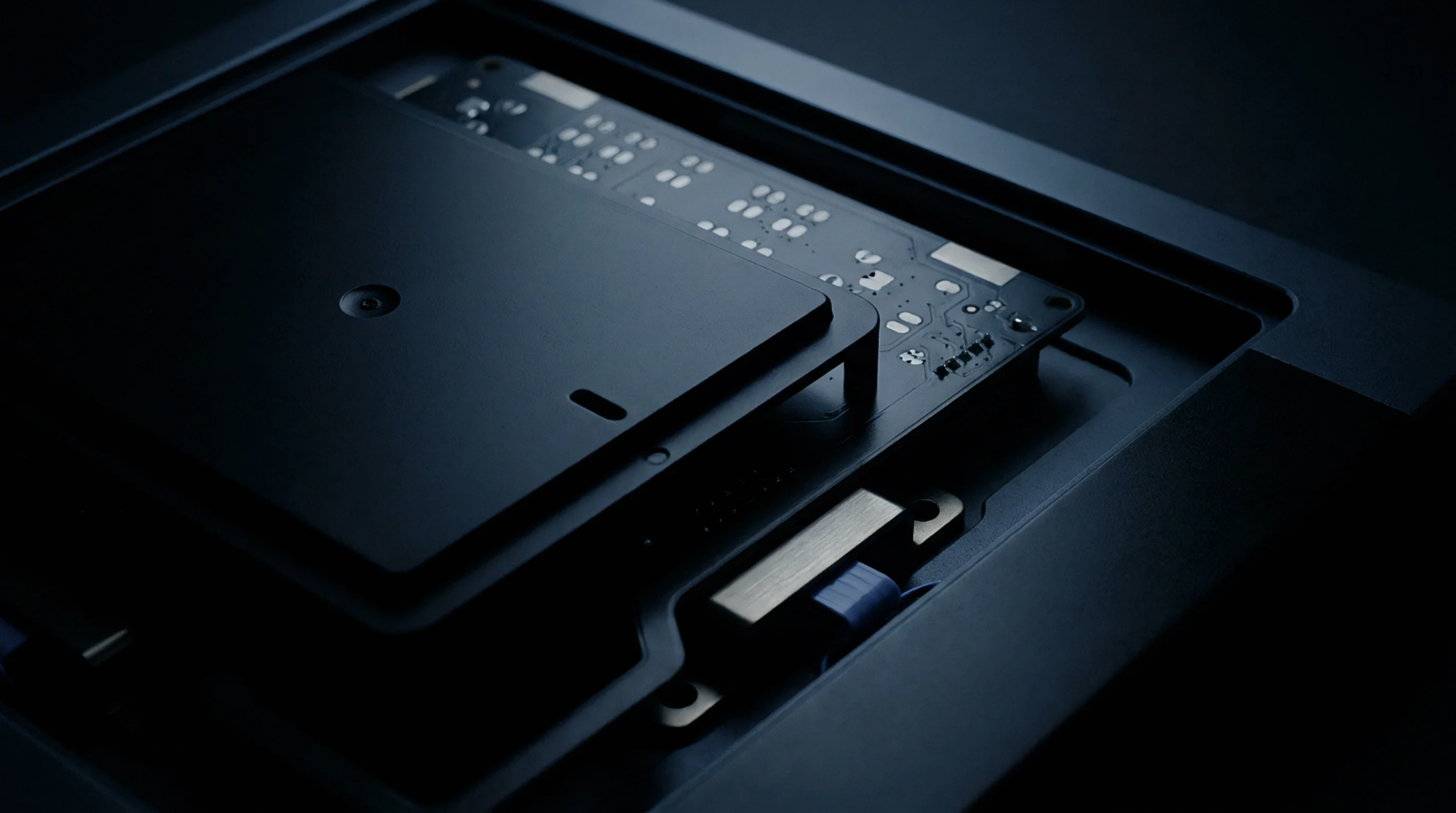
Mechanical enclosure structural alterations alter physical dimensions, shielding properties, thermal dissipation paths, or antenna clearances during device integration. Evaluating host housing modifications ensures that changes to outer plastic or metal casings do not detune internal antennas or degrade cellular reception. System integrators adjust housing geometry to accommodate larger battery cells or internal PCB assemblies while maintaining ingress protection.
The boundary covers internal chassis ribs and external case material changes, stopping where fundamental board design changes occur.
Enclosure Alteration
Machining internal plastic bosses or adding conductive metallic paint layers modifies localized dielectric constants and ground plane continuity. Structural modifications must maintain structural rigidity under mechanical shock testing while preserving required air gaps around trace antennas. Unplanned metal internal brackets alter radio frequency radiation patterns and increase parasitic capacitance.
Laser scanning validates post-modification mechanical dimensions against computer-aided design models.
Thermal Dissipation
Modifying enclosure venting or internal heat sink contact pads changes thermal resistance paths between high-power chips and ambient air. Efficient thermal dissipation prevents thermal throttling during maximum power RF transmissions.
Structural Boundary
Physical changes to enclosure walls must not compromise IP67 ingress protection seals or structural impact resistance ratings. Any physical modification that places conductive material within the near-field reactive zone of an embedded antenna requires complete antenna re-matching and spurious emission re-testing. Integrity testing confirms that host housing structural alterations maintain structural compliance without introducing unwanted RF leakage points.