Meaning
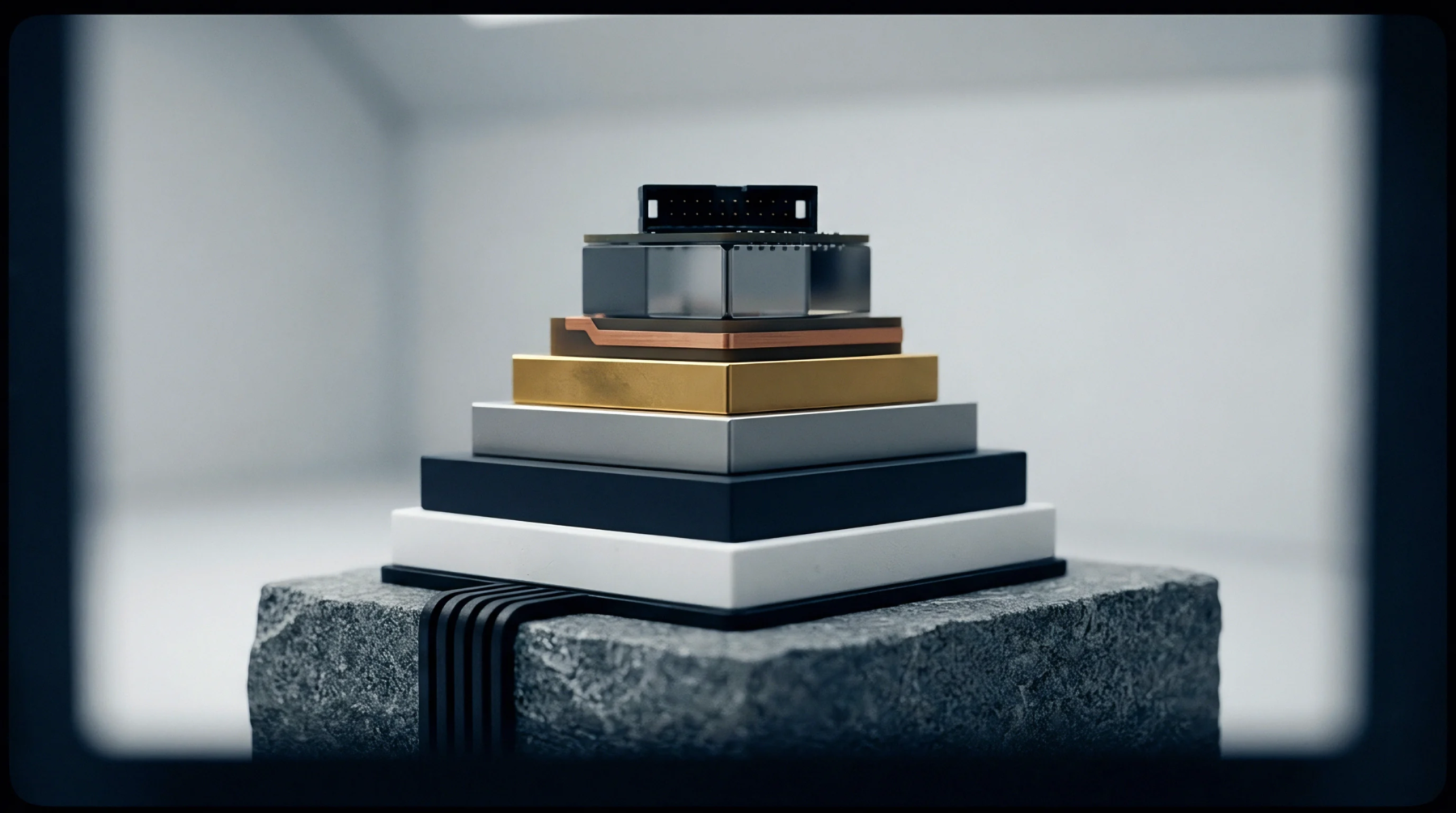
Composite substrate material engineered for high-frequency printed circuit boards used in microwave and radio applications. Usage of hydrocarbon ceramic laminate provides the structural stability of traditional glass-reinforced boards while maintaining the electrical performance of fluoropolymer materials.
Thermal Control
Heat dissipation is improved by the inclusion of ceramic fillers that increase the thermal conductivity of the resin system. This property allows a hydrocarbon ceramic laminate to operate in high-power amplifier stages without suffering from localized hot spots that would otherwise degrade the dielectric constant. Components remain within their specified operating ranges even when the ambient environment fluctuates.
Long-term reliability improves as the mechanical stress between the copper traces and the substrate is reduced by a low coefficient of thermal expansion.
Electrical Performance
Low dissipation factors make these materials suitable for applications where signal loss must be minimized over long trace lengths. The uniform distribution of ceramic particles ensures a consistent dielectric constant across the entire surface of the board.
Manufacturing Compatibility
Standard circuit board processing techniques including multi-layer bonding and through-hole plating apply directly to these substrates without requiring specialized chemical etchants. Integration into existing production lines reduces the total cost of ownership compared to pure polytetrafluoroethylene resins.