Meaning
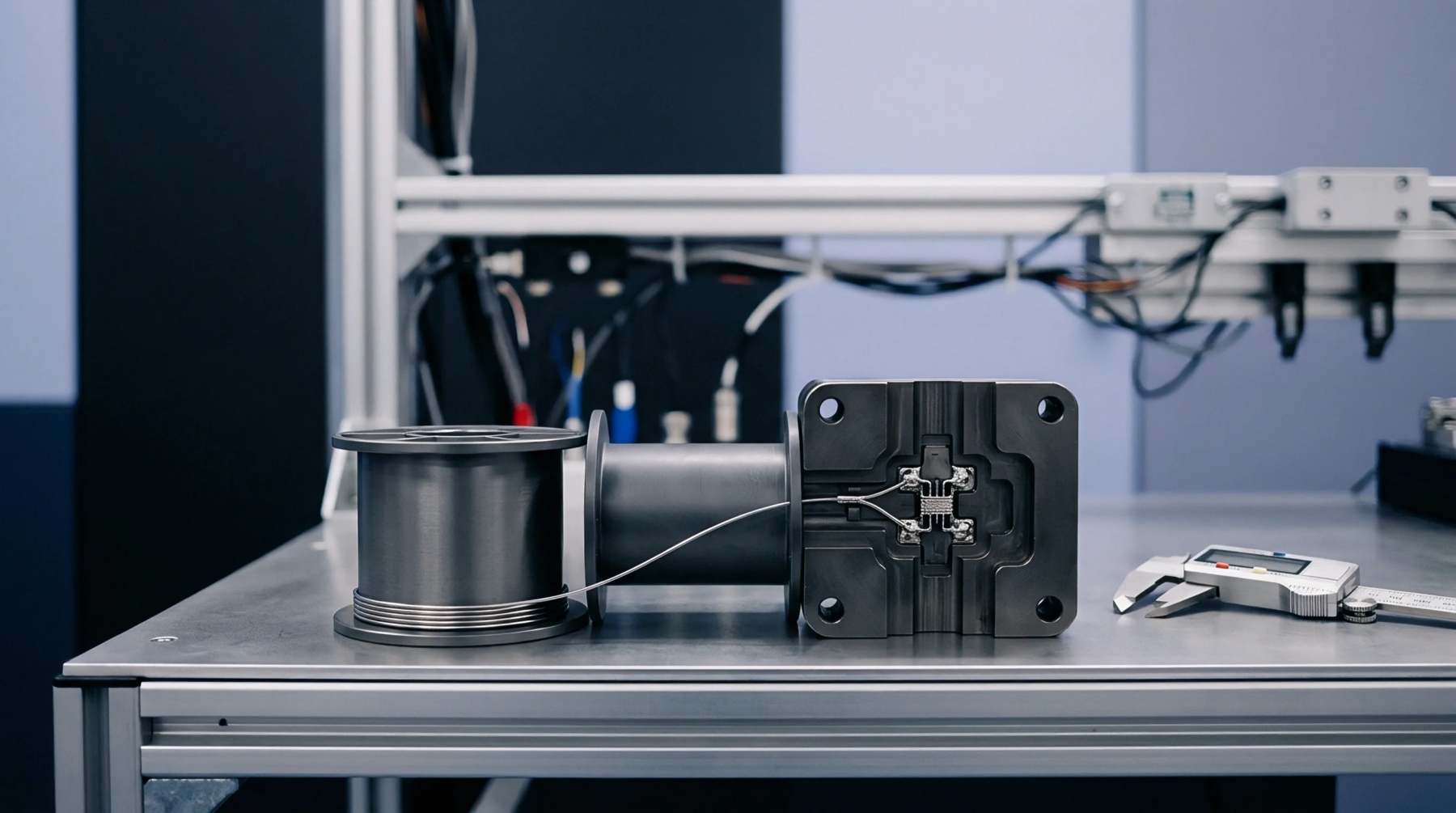
Heavy structural steel or cast metal supports distribute high clamping forces evenly across mold halves within precision production systems. An injection molding platen bears extreme mechanical stress during the clamping phase while maintaining parallel alignment under thermal expansion loads. Steel blocks of high tensile strength receive mounting holes that match specific bolt patterns defined by machine manufacturers.
Thermal barriers installed between the heated barrel assembly and the mounting face prevent excessive heat transfer into the machine frame. This thick metallic plate must resist deflection within strict micron tolerances during high pressure injection cycles to prevent flash along parting lines.
Thermal Deformation
High operating temperatures create differential expansion gradients across the massive steel structure during continuous production runs. Temperature sensors embedded near the mold interface monitor local gradients to prevent warping that compromises product dimensions. Cooling channels bored directly through the interior circulate fluid to stabilize operating temperatures during fast cycling.
Alignment Tolerance
Precision guide pins and bushing assemblies maintain absolute parallelism between moving and stationary halves as clamping pressure increases. Laser metrology systems verify squareness against the machine bed during initial factory acceptance testing. Dynamic deflection under full tonnage must remain below specified limits to protect delicate core pins and slide mechanisms inside the tool.
Clamping Interface
Factory acceptance protocols require a rigorous calibration sequence before the integrated cell receives production tooling. Technicians verify surface flatness using optical flats and blue dye transfer methods across the entire mounting envelope. Torque calibration records for all retention bolts become part of the permanent machine documentation handed over to the quality assurance department.