Meaning
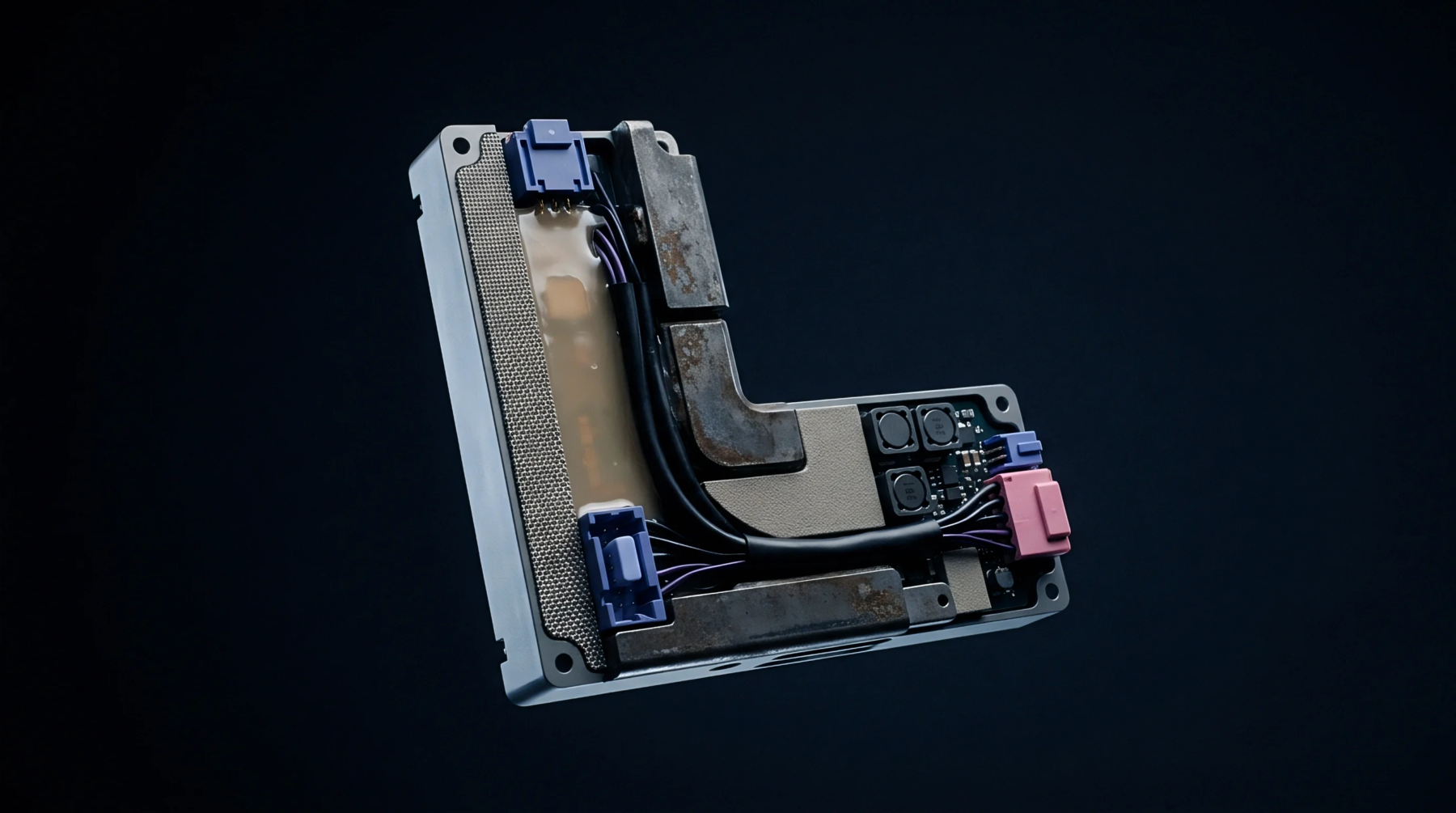
Precision electronic test instruments sense sub-milliampere electrical currents without introducing measurable series resistance or disrupting low-power device operating states. Utilizing a microampere current probe allows test engineers to capture dynamic sleep current profiles, wake-up spikes, and active transmission bursts in microcontrollers and wireless modules. Device scope covers current sensing hardware and transimpedance amplification stages, excluding downstream oscilloscope digitizing backends.
Measurement Resolution
Capturing sub-microampere current levels demands low noise floors and high transimpedance amplifier bandwidth. A microampere current probe converts minute current flows into proportional voltage signals suitable for high-speed digital storage oscilloscopes. Shielded probe tips prevent electromagnetic pickup from surrounding bench equipment during low-level measurements.
Auto-zeroing circuitry cancels offset drift induced by ambient thermal changes during extended logging runs.
Insertion Burden
Series voltage drops introduced by test instrumentation can cause target microcontrollers to reset during high-current wake-up transitions. Using a microampere current probe maintains minimal insertion impedance across wide current ranges, preserving supply voltage regulation to the target circuit board. Low internal burden voltage prevents operational anomalies during dynamic load transitions between sleep and transmit modes.
Dynamic Range
Validation protocols require logging current profiles across five orders of magnitude during sleep-to-transmit transitions. Operating a microampere current probe with fast autoranging capabilities captures both sub-microampere sleep currents and hundred-milliampere RF transmit pulses without clipping. System qualification reports include baseline current measurement plots to verify compliance with product battery life specifications.