Meaning
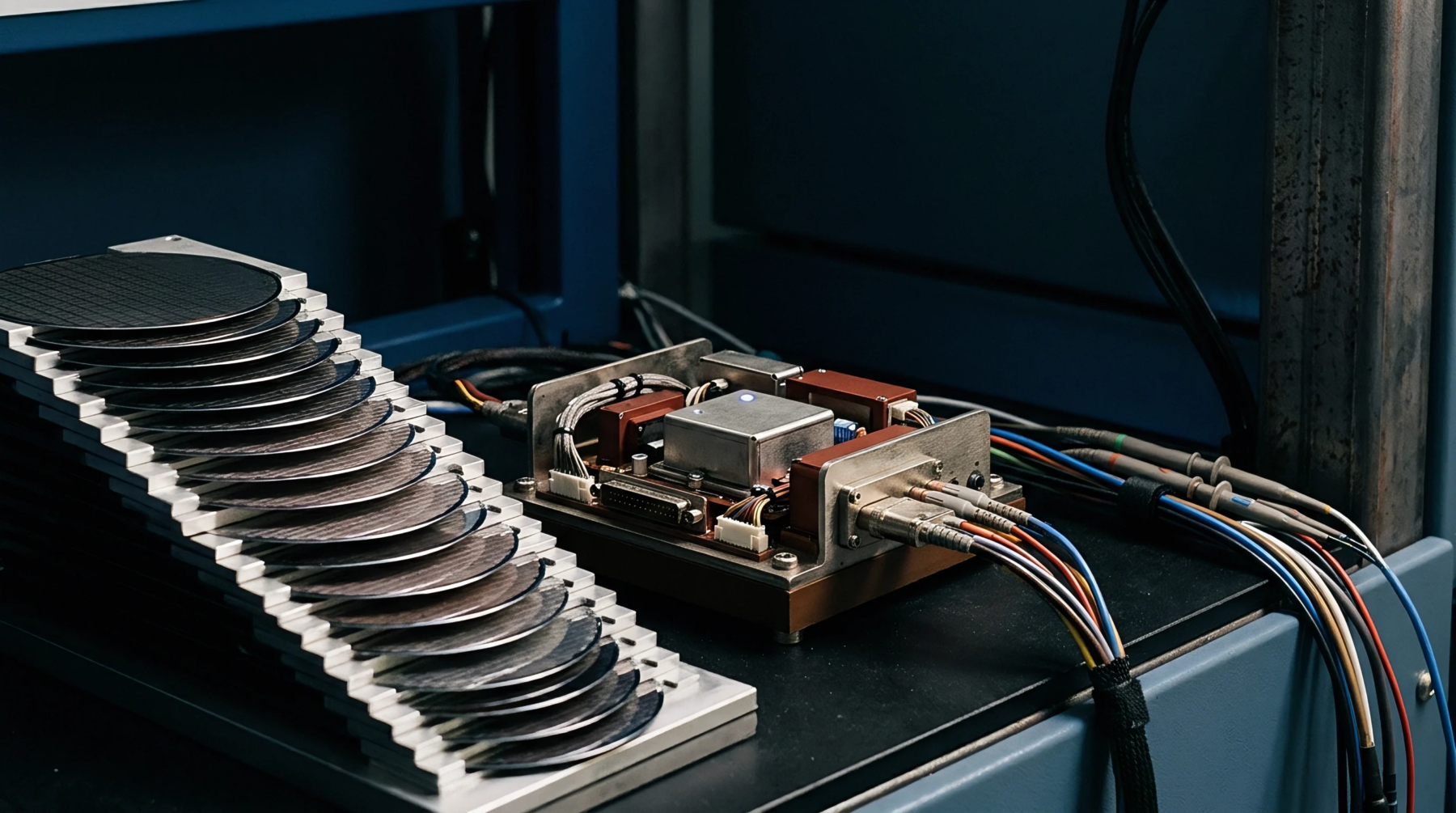
Hardware monitoring frameworks collect fine-grained runtime operational data directly from internal processor pipelines and memory controllers. Embedded systems harvest microarchitectural telemetry to detect hardware degradation and optimize workload placement in real time. The collection scope excludes high-level software application logs, operating strictly within physical hardware state boundaries.
Signal Extraction
Dedicated hardware probes capture bus activity and register access frequencies without interrupting core instruction execution. Inside cellular IoT modules, microarchitectural telemetry stream managers package these hardware signals into low-overhead diagnostic packets sent to the edge management system. Data compression blocks compress raw bit streams before transmitting telemetry frames across external debug interfaces.
Performance Analysis
Continuous extraction of hardware metrics enables system software to adapt dynamically to changing thermal and compute loads. By analyzing microarchitectural telemetry, dynamic voltage and frequency scaling algorithms drop core power levels before thermal throttling degrades radio transmission quality. Machine learning models running on edge gateways process telemetry streams to predict hardware failures prior to catastrophic system shutdown.
Automated firmware adjustments rely on this real-time visibility to maintain operational stability across extreme ambient temperature swings.
Health Monitoring
Long-term trends in hardware execution metrics signal physical degradation of silicon components over extended operational lifespans. Field diagnostic routines monitor cumulative stress indicators to flag aging memory cells and declining power regulator efficiency. Maintenance alerts generated from these readings prevent unexpected field outages in mission-critical smart device deployments.