Meaning
Spatially integrated antenna architectures combining multiple radiating elements focus electromagnetic energy into narrow, steerable beams above 24 gigahertz. In high-throughput smart devices and fixed wireless access terminals, millimeter-wave arrays enable spatial multiplexing and high-gain communication links. These structures integrate patch antennas, phase shifters, transmission lines and power amplifiers onto compact multi-layer substrate modules.
The classification covers active phased array modules operating up to 300 gigahertz, stopping where optical and infrared transmission systems begin.
Antenna Architecture
Element spacing in high-frequency arrays typically adheres to half-wavelength dimensions to prevent grating lobes in the radiated beam pattern. Active beamforming components integrate directly onto the rear side of low-loss RF printed circuit boards containing the patch elements. Operating millimeter-wave arrays in dense urban environments compensates for high free-space path loss through dynamic beam tracking.
Multi-layer substrate construction relies on advanced dielectric materials with low dissipation factors.
Thermal Dissipation
High power density within compact beamforming transceiver integrated circuits generates substantial thermal energy in localized areas behind antenna patches. Dissipating heat from millimeter-wave arrays requires dedicated thermal conduction paths connecting RF modules to enclosure heat spreaders. Elevated operating temperatures degrade power amplifier power-added efficiency and shift phase shifter calibration settings, causing beam squint and reduced effective isotropic radiated power.
Thermal interface materials must offer high thermal conductivity while maintaining electrical isolation from antenna ground planes. System firmware monitors module temperature to scale back transmit power when enclosure boundary limits are reached.
Chamber Verification
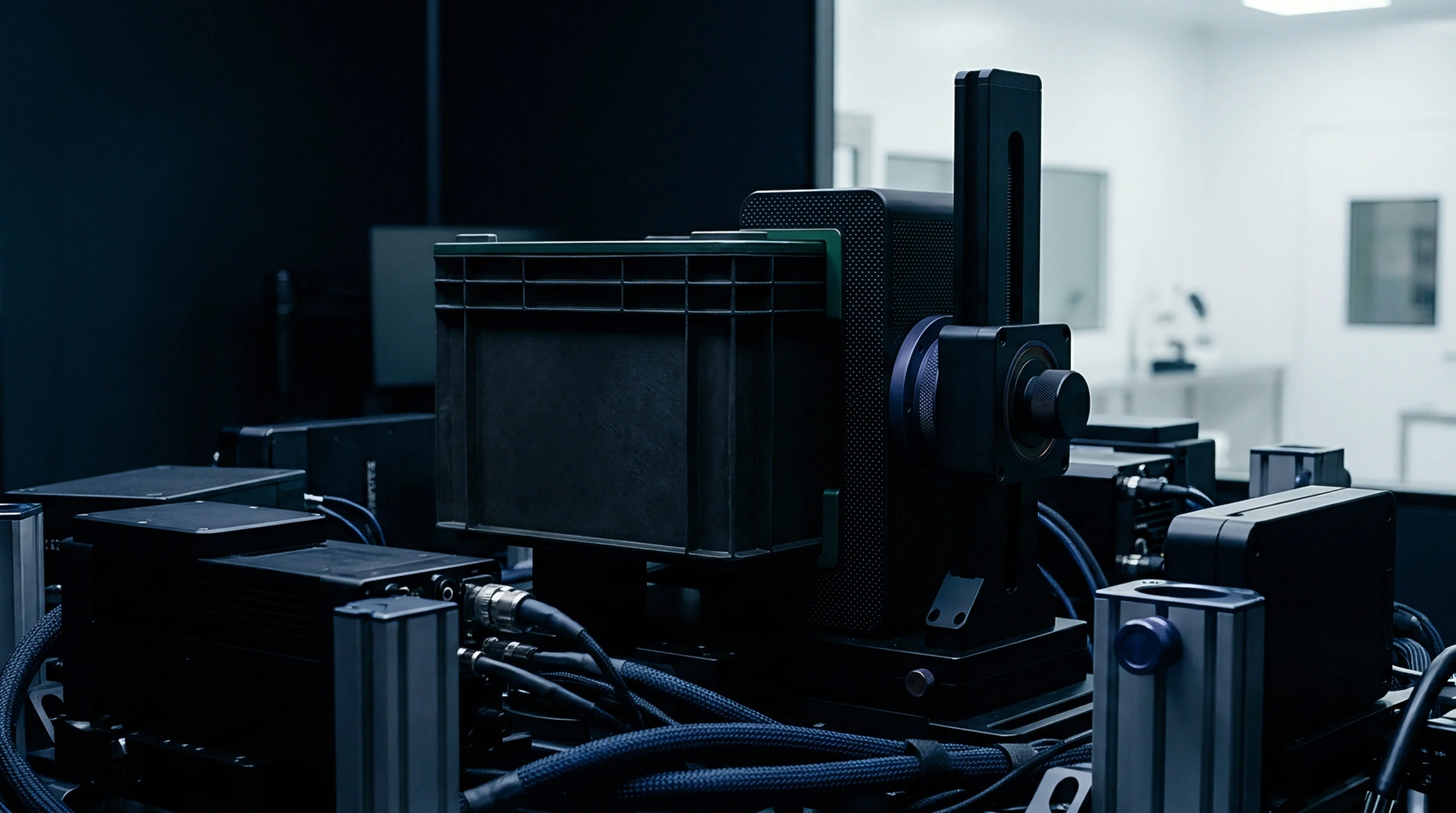
Performance characterization of integrated array modules requires testing inside anechoic chambers due to the lack of physical RF test ports. Spherical scan systems measure equivalent isotropically radiated power and beam pattern coverage. Certification testing confirms compliance with maximum permissible exposure standards.