Meaning
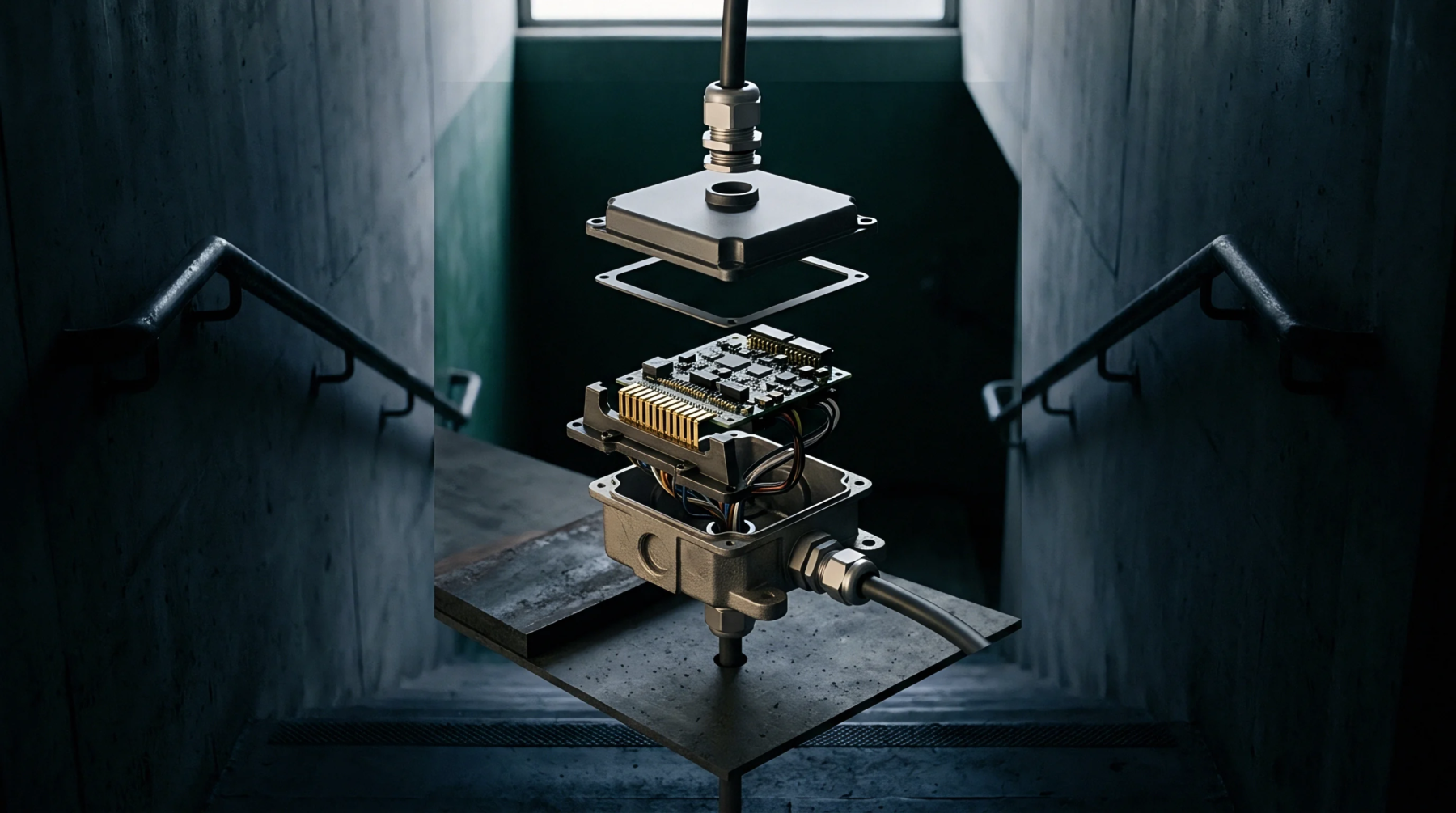
High-frequency electromechanical hardware provides a signal path between integrated circuit pads and test instrumentation for verification above thirty gigahertz. Millimeter-wave test sockets allow for the precise measurement of radio frequency performance in production environments where impedance matching becomes the primary constraint. Signal integrity remains the dominant factor during characterization because even minor parasitic inductance in the contact geometry creates significant return loss.
Each housing utilizes specialized conductive materials to minimize insertion loss across the signal path during the validation phase.
Thermal Geometry
Controlled temperature ranges dictate the physical expansion or contraction of the contact pins during high-power testing. Materials including polyphenylene sulfide or polyether ether ketone serve as the base structure to maintain stability under elevated heat. Such housings compensate for the mismatch in coefficients of expansion between the silicon die and the ceramic load board.
These units keep the device under test in precise alignment despite the influence of internal power dissipation.
Interface Precision
Specialized contact probes consisting of gold-plated tungsten or copper alloy facilitate the reliable physical connection. Alignment pins guide the device into the exact landing pattern to prevent mechanical damage to fragile bumps or ball grid arrays. Frequency response varies according to the contact spring force and the length of the signal path.
Short paths reduce the magnitude of reflections that degrade the accuracy of gain and noise figure measurements.
Production Verification
Manufacturing facilities deploy these components during final electrical sort to ensure that every device meets radio frequency specifications before packaging occurs. Technicians select the socket based on the operating frequency band and the specific pin pitch of the hardware under test. Automated handler systems cycle these assemblies thousands of times per day to achieve throughput goals.
The contact density and the cooling mechanism integrated into the housing determine the overall capability of the testing system.