Meaning
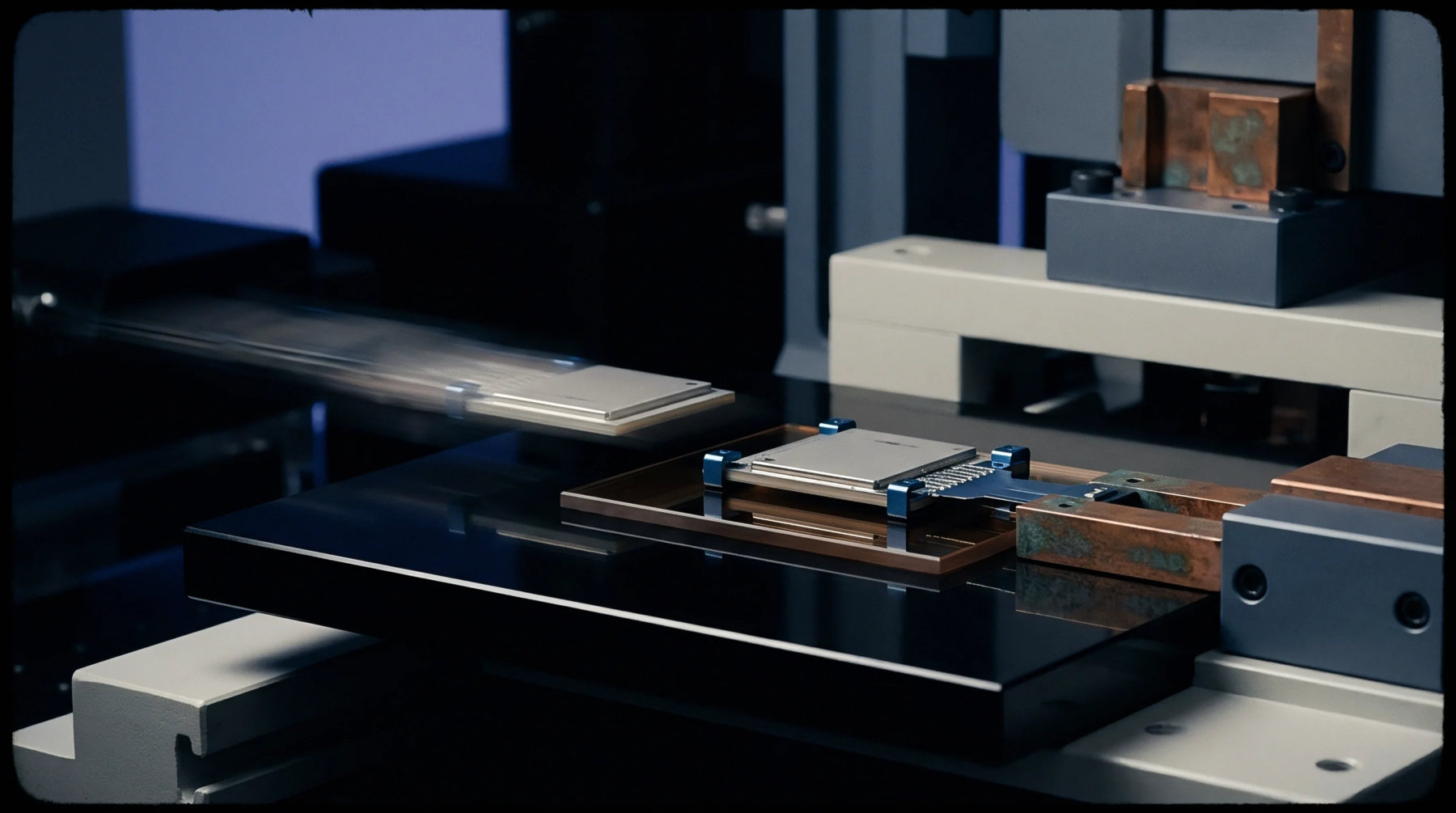
Electronic packaging assembly integrates multiple integrated circuits, semiconductor dies or discrete components on a shared substrate to operate as a single device. Designing a multi chip module allows manufacturers to combine different semiconductor technologies, such as analog RF dies and digital processors, into a unified package. This approach stops applying when the integration shifts to a monolithic single-die solution or fully independent surface-mount components on a printed circuit board.
Internal Connectivity
High-density substrates within the package provide the routing channels that connect the individual dies without relying on board-level wiring. This configuration reduces signal path lengths, which lowers parasitic capacitance and raises the operational speed of the module. Micro-bumps or fine wire bonds form the physical connections from each die to the common routing layers.
By keeping these connections internal, the module reduces the number of external pins that must be routed on the master board.
Space Efficiency
Combining memory and processors in a single package reduces the overall board area required for the system assembly. This reduction in footprint is highly valued in compact smart devices and wearable connectivity modules where board space is constrained. The space saved on the board can be allocated to other critical functions, such as larger antennas or higher-capacity batteries.
This density advantage allows for sophisticated product designs that would otherwise require much larger enclosures.
System Qualification
Sourcing pre-tested dies is critical because the presence of a single defective die renders the entire completed module unusable. Manufacturers must run extensive wafer-level tests to ensure that only known-good dies are used in the final assembly. Once assembled, the module undergoes complete functional qualification to verify both internal routing and external interface behavior.
This testing phase must also include environmental stress screening, which subjected the package to temperature cycles to weed out infant mortality before the modules are shipped to the customer. A rigorous qualification process helps protect the buyer from the high costs of replacing failed assemblies during final product integration.