Meaning
Financial clauses in custom manufacturing agreements establish the repayment terms for one-time development and tooling costs incurred by a supplier. A non recurring engineering reimbursement transfers the financial burden of prototype design and fabrication setup from the manufacturer to the customer. This payment usually occurs after the customer approves initial production samples.
The agreement protects both parties against early contract termination.
Cost Recovery
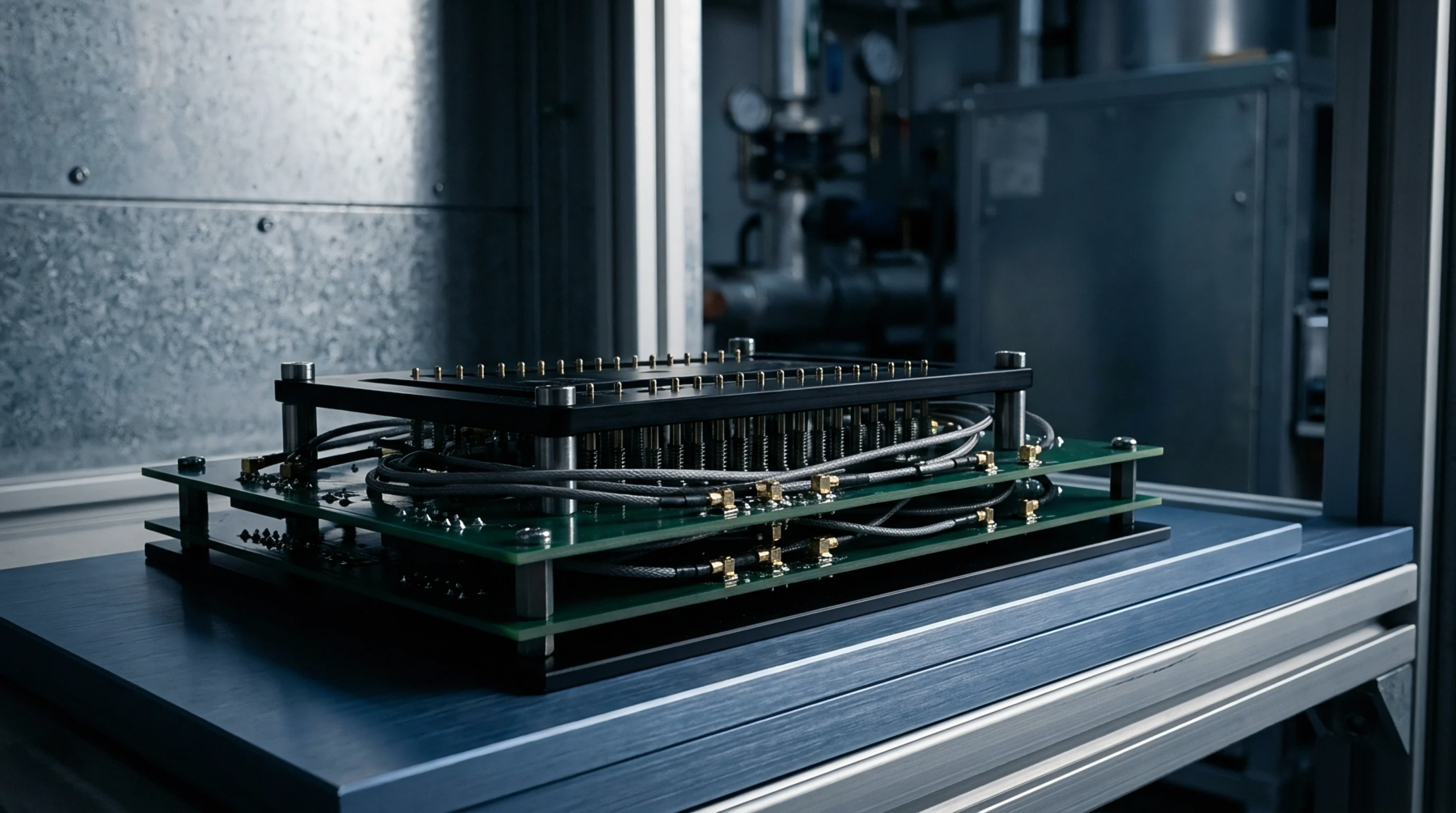
Initial tooling expenses, including photomasks, test fixtures, and custom mold creation, require upfront capital investment. A non recurring engineering reimbursement offsets these initial cash outflows for the manufacturer. The total amount is either paid as a lump sum or amortized over production volumes.
Milestone Trigger
Contracts specify measurable completion stages that must be signed off before any funds change hands. To receive a non recurring engineering reimbursement, a supplier must supply functional prototypes that pass all agreed performance tests. Customer sign-off validates the successful completion of the design phase.
Risk Mitigation
High-volume manufacturing runs are inherently risky for suppliers when customers face market uncertainty and potential product cancellations. A non recurring engineering reimbursement guarantees that the design and prototyping costs are covered even if the full production run is cancelled by the buyer. By decoupling development costs from unit sales, suppliers maintain their profit margins during unstable market conditions.
Such structure stabilizes long-term manufacturing partnerships by protecting suppliers from fronting capital for speculative product designs.