Meaning
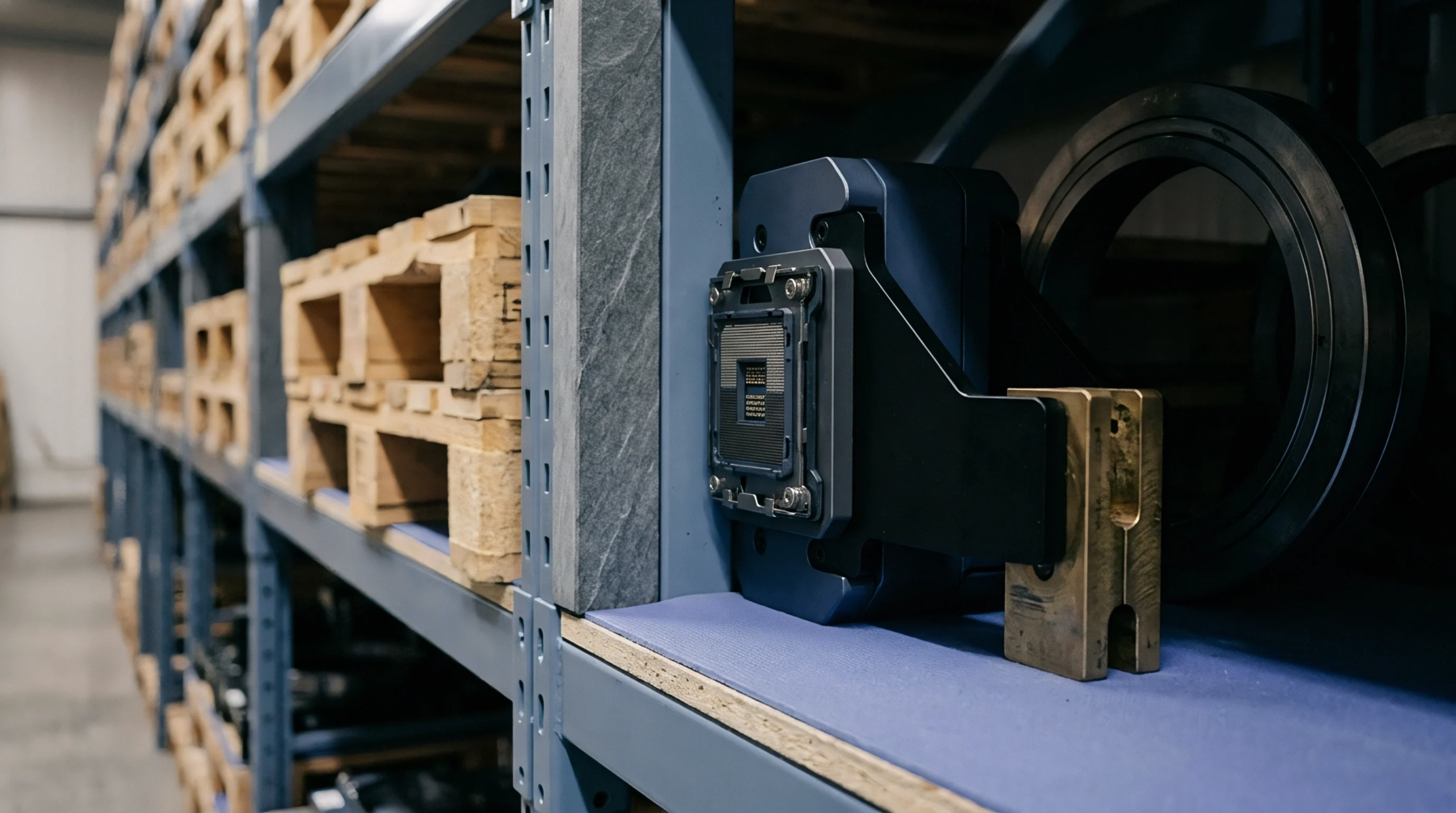
Custom apparatus represents initial one time expenses for manufacturing equipment required to produce specific hardware designs. Non recurring engineering tooling costs appear as upfront capital investments instead of recurring per unit production charges. Engineering teams calculate these outlays during the prototype phase when factory line configurations require dedicated assembly jigs or precision molds.
Development cycles finalize these expenses before full scale manufacturing commences because the equipment provides the necessary physical constraints to meet component tolerances.
Production Valuation
Accounting departments categorize these expenditures as asset investments that amortize over the total expected production volume of a specific part series. Procurement managers track non recurring engineering tooling figures to isolate true piece part costs from the fixed costs of factory preparation. A project incurs these charges when the design requires proprietary fixtures that remain non transferable to other product lines.
This separation allows manufacturers to maintain transparent pricing models for clients who order high volumes after the initial setup.
Mechanical Specification
Design drawings dictate the geometry and material composition of these custom implements to ensure consistent alignment of sensitive electronic subassemblies. Engineers generate these documents during the design for manufacturing phase to define the interface points between the fixture and the product chassis. A well defined tooling set reduces manual adjustments on the factory floor by enforcing precise orientation of connectors and heat sinks within the product enclosure.
Operators utilize these specialized guides to hold subcomponents in place while automated soldering or thermal curing occurs.
Asset Depreciation
Finance teams allocate the cost of the manufacturing apparatus across the expected lifespan of the hardware iteration to recover the investment. The value of non recurring engineering tooling decreases as total units manufactured increase since the fixed cost spreads across a larger base. Project owners evaluate the depreciation schedule to decide whether to reuse existing infrastructure or commission new custom hardware for updated revisions.
Effective management of these assets maximizes the return on invested capital for the production facility.