Meaning
Propagation delay through galvanically isolated optical coupling components defines the signal transmission speed between distinct electrical ground domains. Measured from the fifty-percent amplitude point of the electrical input pulse to the corresponding point on the output edge, optocoupler latency accounts for internal light-emitting diode turn-on times, junction capacitance charging, and phototransistor collector-emitter saturation intervals. The metric governs timing margins in isolated feedback loops, switched-mode gate drive architectures, and serial communication transceivers.
Timing determinations become invalid if varying supply voltages or component thermal drift displace the baseline logic threshold levels away from standard design values.
Component Physics
Photon generation within the transmitter diode introduces physical carrier recombination delays before light arrives at the receiver die. Fast optocoupler latency demands high forward drive currents to rapidly populate junction depletion regions and strip charge, though this accelerates light-emitting diode aging. Silicon photodetectors amplify optical energy through photodiode or phototransistor junctions, where large junction areas provide high sensitivity at the direct expense of parasitic junction capacitance.
Collector pull-up resistor selection dictates output fall and rise symmetry.
Propagation Jitter
Temperature fluctuations alter internal carrier mobility and emitter photon efficiency, broadening the total spread of signal propagation times. Non-symmetric delays between low-to-high and high-to-low logic transitions introduce duty cycle distortion across high-speed serial protocols. Isolated industrial transceivers suffer corrupted packet framing when propagation variation exceeds system timing budgets.
Ground-bounce events further disrupt output comparator switching, contributing to anomalous delay variances under harsh switching conditions.
Verification Protocol
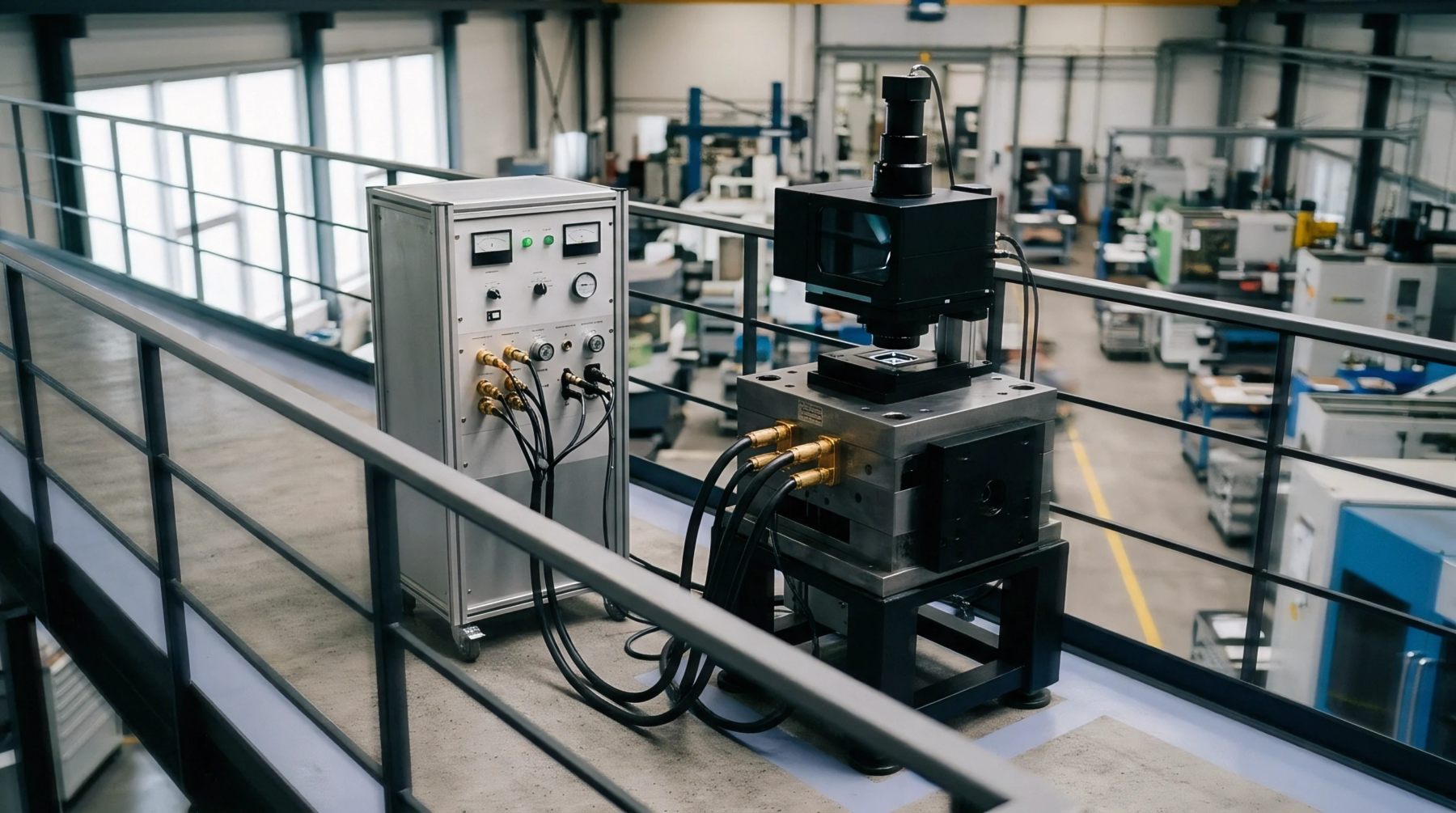
Production test fixtures verify propagation timing using fast pulse generators coupled to isolated dual-channel digital storage oscilloscopes. Output wave forms pass through automated threshold detection to calculate worst-case turn-on and turn-off delays across supply tolerances. The resultant qualification document maps propagation delay margins across automotive and industrial temperature classifications.
Assemblies exceeding acceptable latency ceilings undergo automated sorting to prevent deployment in time-critical communication paths.