Meaning
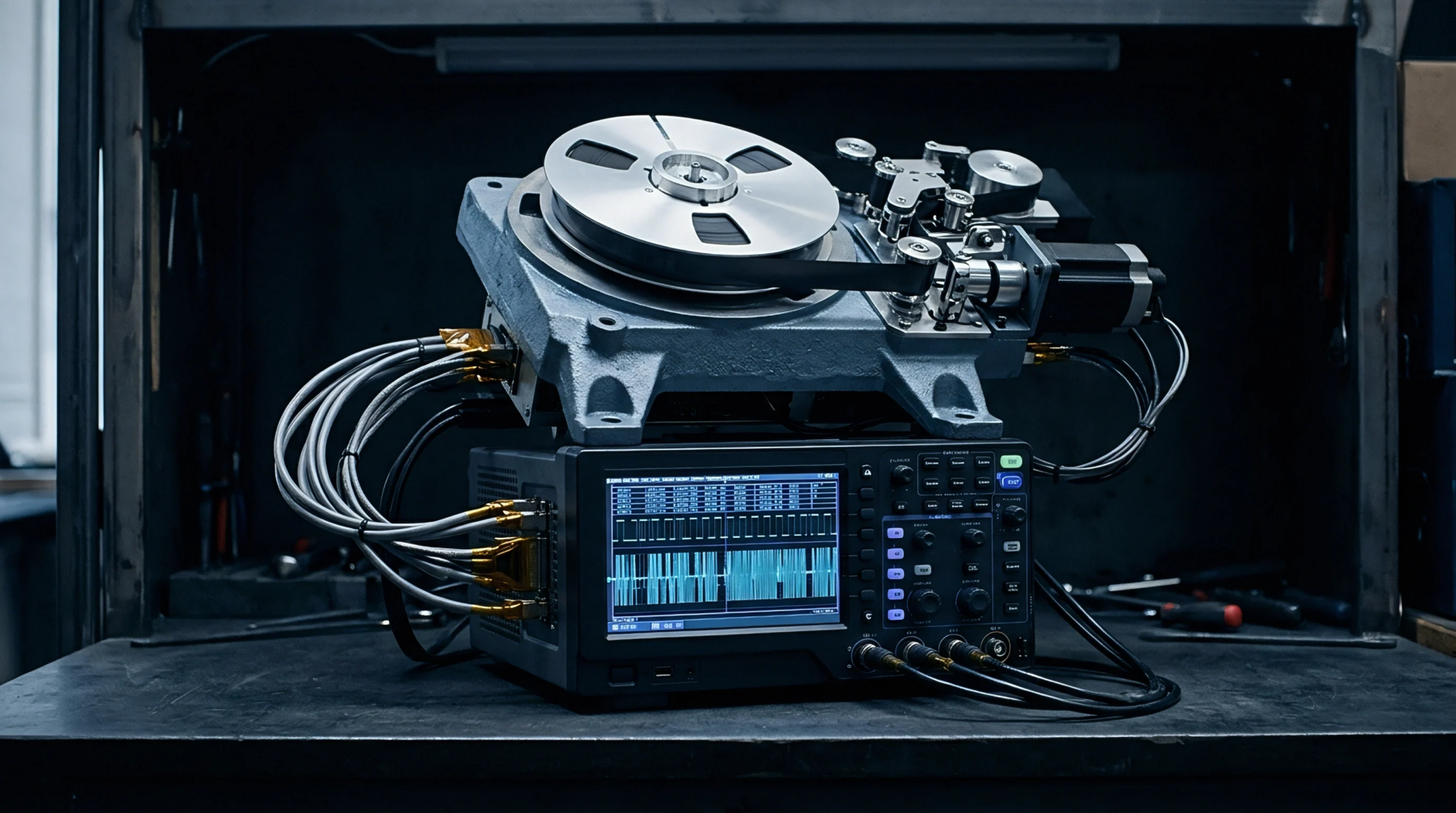
Precision structural foundations provide the mechanical stability required to maintain the alignment of optical emitters and sensors. This rigid component, the optomechanical baseplate, is machined from low-expansion materials to minimize thermal drift in optical transceivers. Any distortion of this substrate would misalign the light path and disrupt high-speed communication.
Material Selection
Aluminum alloys and silicon carbide are commonly selected for these foundations due to their high stiffness-to-weight ratios. While aluminum offers excellent machinability and low cost, silicon carbide provides superior dimensional stability in extreme environments. Engineers balance these trade-offs against the thermal budget of the transceiver housing.
Thermal Stability
Thermal expansion mismatch can generate high stresses if the baseplate is joined to materials with different expansion rates. Designers minimize this effect by using specialized adhesive joints or flexural mounts that decouple the optical elements from the chassis. This isolating strategy prevents thermal cycling from causing permanent alignment shifts.
Mounting Interface
Kinematic positioning demands the use of mounts that locate each optical component using exactly six constraints to prevent over-constraint. These mounts are often machined directly into the surface to reduce the part count and eliminate tolerance stack-up during manual assembly. Threaded inserts and alignment pins provide secure positioning that withstands the shock loads encountered during transport and deployment.
Automated pick-and-place systems rely on these reference features to position delicate optical sub-assemblies with sub-micron accuracy.