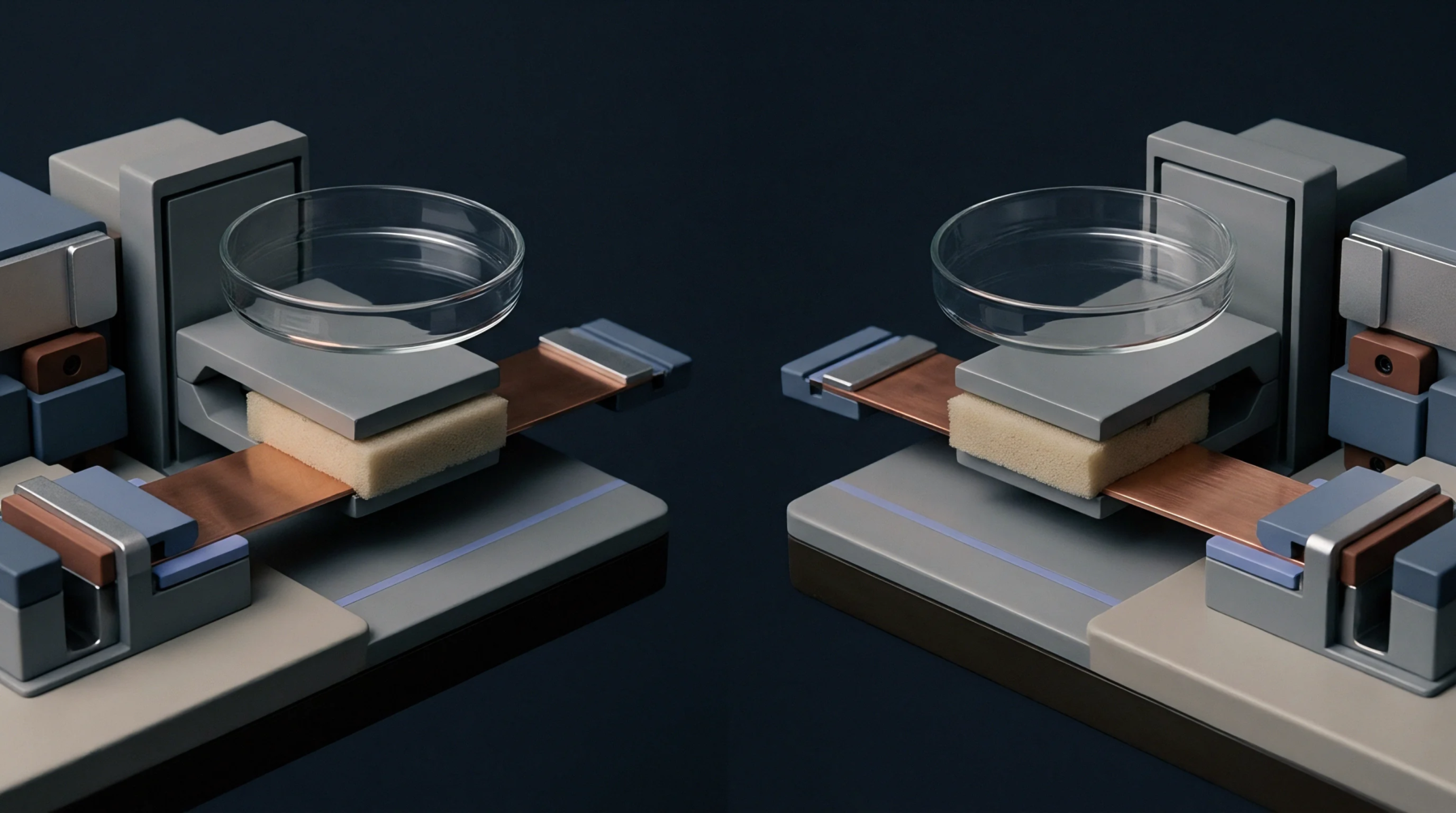
Polymer Degradation Mechanics in Glass-Filled Injection Tooling Cavities
Glass fiber erosion and shear scission alter gate dimensions and matrix integrity, requiring modular PM steel inserts and strict vent land depth maintenance.
Production part approval procedure qualification represents a standardized validation method used to ensure that suppliers possess the capacity to manufacture components consistently to engineering requirements. Factories execute these verification steps before mass production starts to confirm that manufacturing processes meet quality standards without variation or deviation. Documentation within this framework verifies that technical specifications align with design records, control plans, and dimensional measurement results.
Manufacturers conduct the submission to demonstrate that production runs follow authorized workflows and that the finished output matches blueprints exactly. If the evidence shows a lack of capability, production remains halted until process stability reaches the required threshold.
Engineering groups verify that every part matches the CAD data before shipping samples to the final assembly site. Teams compare dimensions against tolerance limits to confirm mechanical fit within enclosures. When individual components pass this check, engineers approve the full production run for use in electronic assemblies.
High volumes require rigorous statistical studies to track process performance over time. Deviations discovered during this phase force a return to design or tooling adjustments before any commercial release. Verification occurs at each step to prevent downstream failures during later integration into complex systems.
Vendors manage the assembly of documents required for formal review by quality departments. Personnel track raw materials through batch identification to ensure traceability in case of field recalls. Suppliers provide these records to confirm that equipment settings, heat treatment cycles, and mold pressures remain within predefined operational windows.
Reliability data from life testing supports the conclusion that the items will perform under environmental stress. This submission acts as the official evidence that a supplier can produce parts matching the original design intent. Procurement officers review these files to determine if the provider satisfies the requirements for long term partnership.
Successful submission signals that a production line functions correctly and safely.
Automotive and industrial manufacturers require this level of evidence to mitigate risks during the assembly of sub-systems. Controllers monitor production shifts to detect drift in output quality while machines operate. Calibration of measurement tools ensures that the data gathered during the qualification phase remains accurate and repeatable.
Once the evidence clears all internal reviews, the supplier receives notification to begin full scale manufacturing operations. Any change in raw material or factory location triggers a requirement for a new approval cycle. Future changes to machines or process settings necessitate further review to maintain compliance with established benchmarks.
Continuous adherence to these documentation standards minimizes the chance of defective components reaching the final product. Every shipment must confirm that the manufacturing environment remains identical to the setup authorized at the inception of the contract. Qualification of the production sequence functions as the primary mechanism for maintaining the integrity of industrial supply chains.
Glass fiber erosion and shear scission alter gate dimensions and matrix integrity, requiring modular PM steel inserts and strict vent land depth maintenance.
Expertise is a utility, not a secret. sentiention™ publishes its working knowledge as open reference: intelligence layer covering the materials it sources, the markets it enters, and the reference that serves both.