Meaning
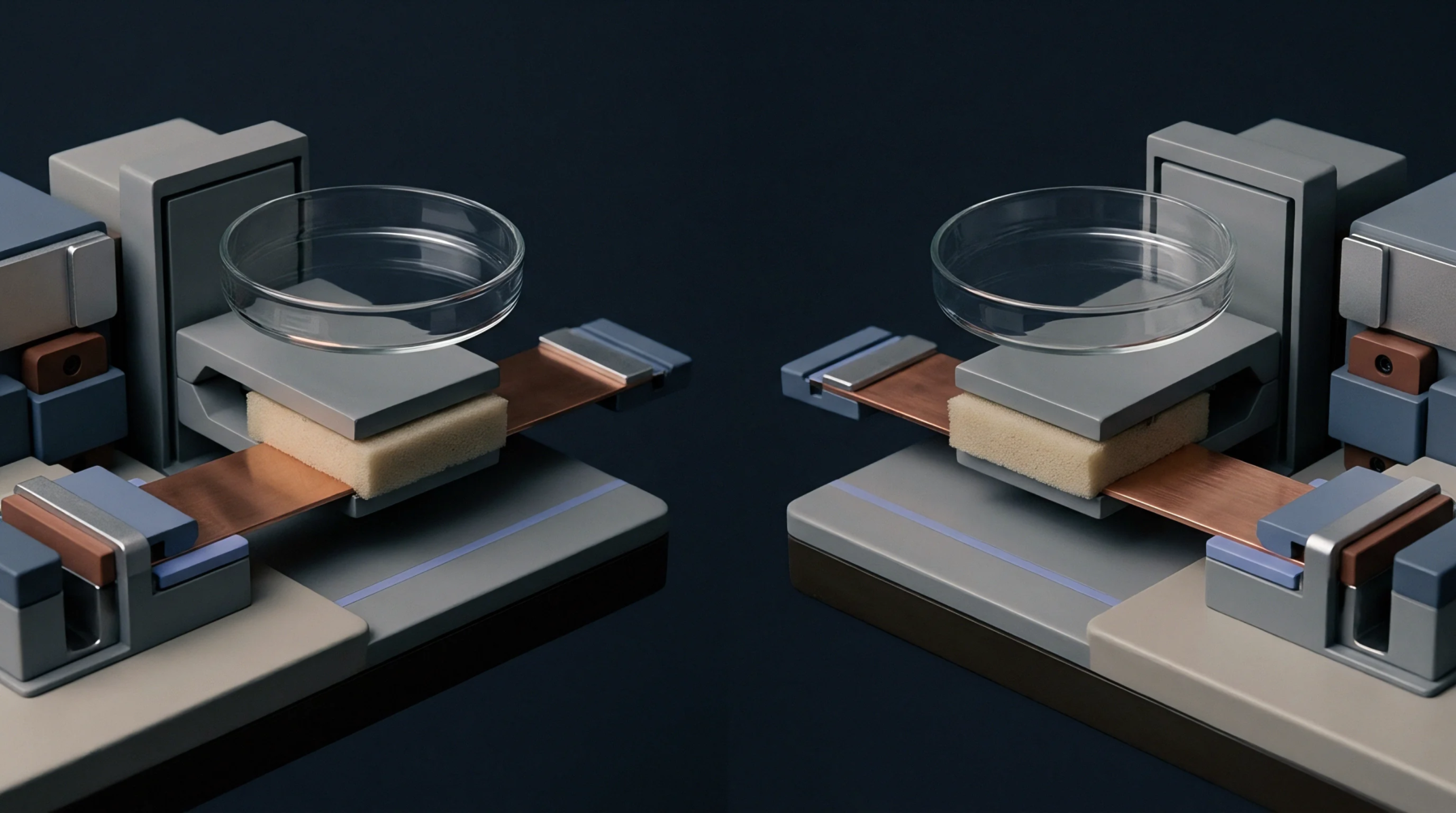
Solidification occurs when heat and pressure combine to fuse resin-impregnated fibrous layers into a singular, cured composite structure. This prepreg lamination compression process removes interstitial air while ensuring uniform resin distribution throughout the board stack. It defines the boundary where raw uncured plies transition into rigid printed circuit substrates, governing the mechanical integrity of high-density interconnect designs.
Thermal Cycle
Achieving consistency requires an isothermal ramp that avoids premature gelation of the epoxy matrix. Pressing equipment maintains a strictly controlled temperature profile during the transition, preventing the formation of micro-voids that compromise dielectric performance. Heat transfer efficiency dictates the speed of the cure cycle, whereas inconsistent pressure application results in uneven laminate thickness across the panel surface.
Surface Alignment
Maintaining registration accuracy depends upon the mechanical constraint of the layers during the application of vertical force. Tooling pins secure the prepreg sheets against internal shifting as the viscosity of the resin drops during the initial heating phase. Precise alignment prevents signal path skew in multi-layer designs, establishing a stable physical geometry for subsequent photolithography or drilling operations.
Cure Verification
Evaluating the successful conversion of the chemical matrix happens through post-process analysis of the glass transition temperature. Laboratories compare the target thermal values against the actual shift observed in the finished laminate, documenting whether the degree of cross-linking meets the original material specifications. High cross-linking density ensures that the final assembly resists delamination during secondary assembly steps like solder reflow.