Meaning
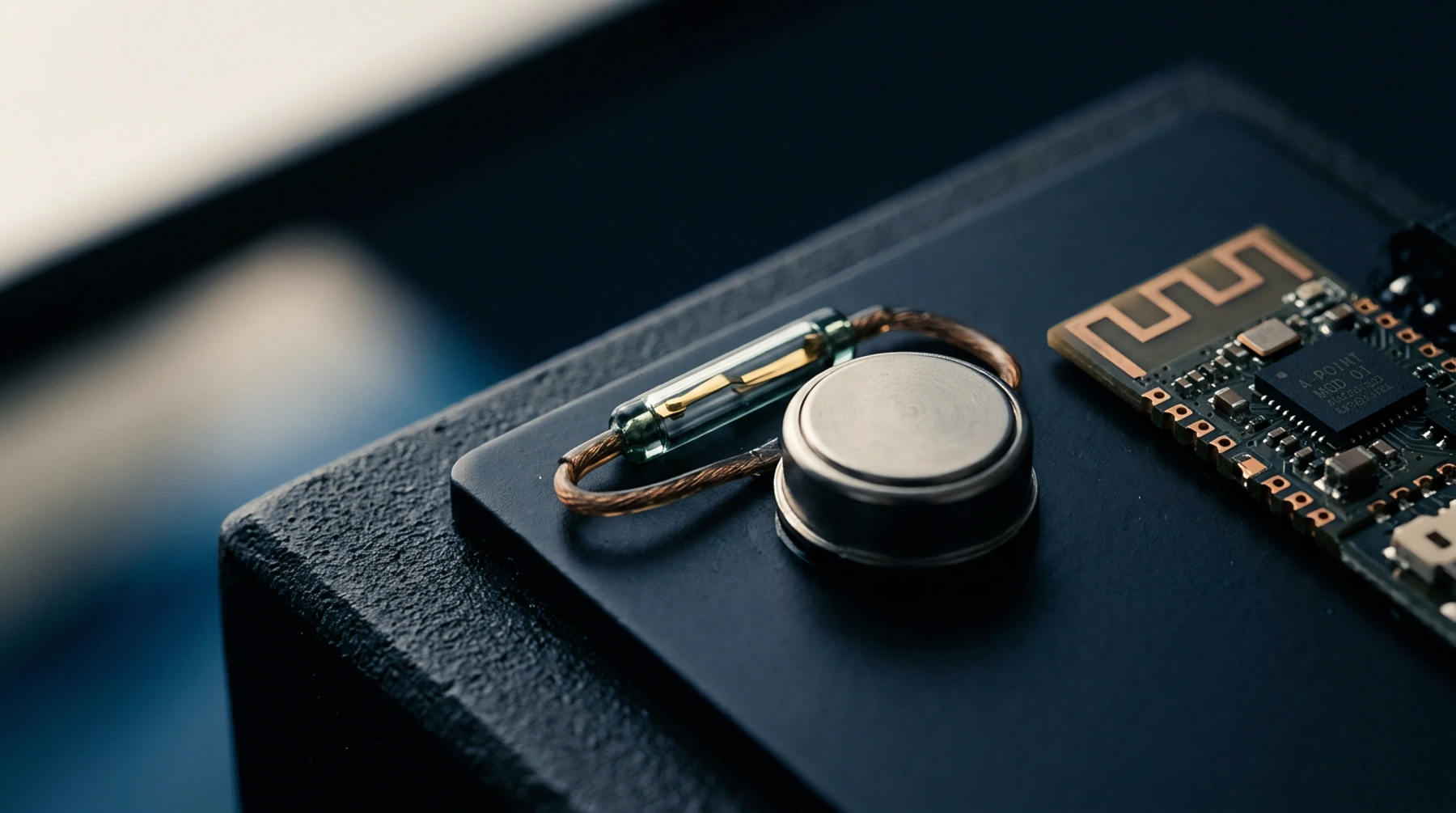
Accumulated timing discrepancies in internal system clocks lead to a gradual deviation from real-world coordinated universal time. This rtc time drift is driven by the physical limitations of the quartz crystal resonator.
Temperature Dependence
Quartz crystals are tuned to oscillate at a specific frequency at room temperature, but their resonant frequency changes as the ambient temperature varies. This thermal sensitivity is a primary driver of rtc time drift, especially in outdoor or industrial environments where temperature swings are common. Designers often use temperature-compensated crystal oscillators to minimize these variations.
Correction Algorithm
Software routines can compensate for this drift by applying a correction factor based on temperature readings or periodic network time protocol updates. When the device connects to the internet, it updates its clock to correct any rtc time drift that occurred during sleep. In offline devices, the software must calculate the expected drift based on the operating temperature and adjust the time register accordingly.
System Impact
Inaccurate system clocks can disrupt time-stamped log files, make scheduled wakeups unreliable, and prevent successful cryptographic handshakes with secure servers. Since many security protocols rely on precise timestamps to prevent replay attacks, a significant rtc time drift can cause the server to reject the device connection entirely. Maintaining timing accuracy is therefore essential for devices that rely on scheduled communications.