Meaning
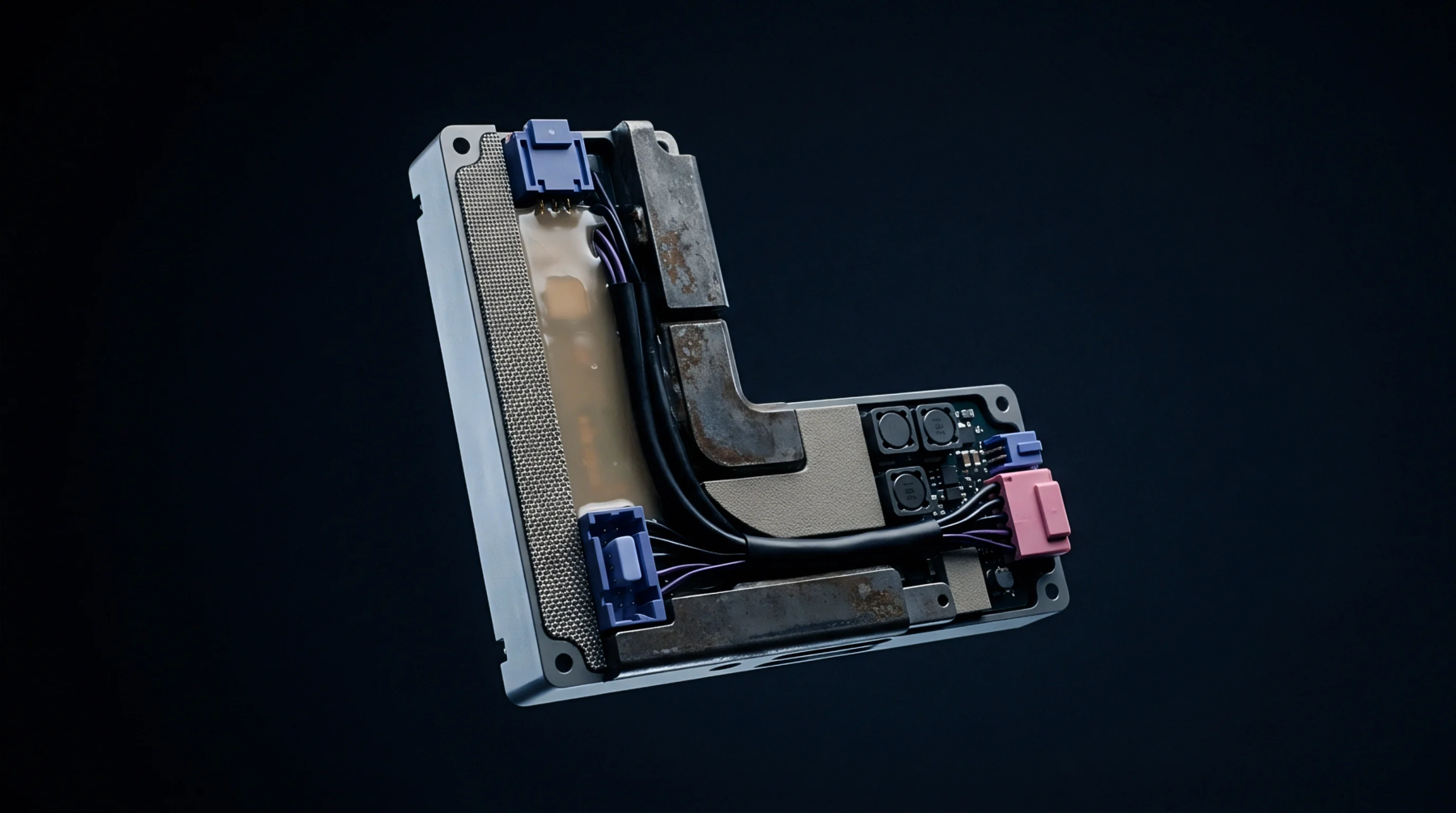
Electroless copper or nickel plated polymer films deployed inside radio enclosures provide electromagnetic shielding foil to attenuate radiated emissions across high frequency bands. This material governs signal integrity by establishing a continuous conductive boundary that prevents high frequency leakage from breaching plastic housings. Application boundaries occur where mechanical joint compression falls below specified thresholds, allowing electromagnetic fields to escape through microscopic gaps along enclosure perimeters.
Production lines verify this component during initial prototype testing, subjecting assembled hardware to chamber scans to confirm attenuation levels meet regulatory compliance limits before mass fabrication begins.
Thermal Budget
Managing heat dissipation inside tight radio enclosures requires careful placement of thin conductive barriers to prevent unwanted thermal pockets from forming near power amplifiers. Heavy metallic layers restrict natural airflow inside sealed housings, forcing engineers to calculate thermal resistance values across every contact interface before finalizing component layouts. Radiative heat transfer improves slightly when reflective surfaces face internal thermal sources, yet trapped conductive heat creates localized temperature spikes that degrade processor longevity.
Assembly technicians apply pressure sensitive adhesive backings to secure the conductive layer against internal chassis ribs, ensuring reliable thermal conduction paths connect directly to external heatsinks.
Interface Tolerance
Mechanical compression along housing mating surfaces determines the electrical continuity of the installed conductive barrier across operational lifetimes. Gaskets and screws must exert uniform pressure along the entire perimeter because loose fastening zones create resonant slot antennas that leak high frequency energy during peak transmission cycles. Dimensional variations between molded plastic parts and stamped metal shields introduce assembly gaps that compromise overall shielding performance if tolerance stacks exceed design allowances.
Quality control inspectors measure gasket deflection values during final box build audits, rejecting assemblies that fail to maintain continuous contact along preplanned grounding paths.
Supplier Qualification
Procurement teams evaluate incoming raw material lots by measuring surface resistivity and metal adhesion strength prior to releasing components into automated manufacturing cells. Vendors provide certified test reports documenting alloy purity and thickness measurements for every production batch, establishing traceability from raw ore smelting to final die cut parts. Buyers audit supplier manufacturing facilities to verify that plating baths maintain strict chemical balances, preventing microscopic pinholes that degrade high frequency attenuation performance during field deployment.
Qualification test suites subject sample coupons to salt spray exposure and mechanical flexing cycles, confirming that environmental aging does not compromise surface conductivity over extended operational lifespans.