Meaning
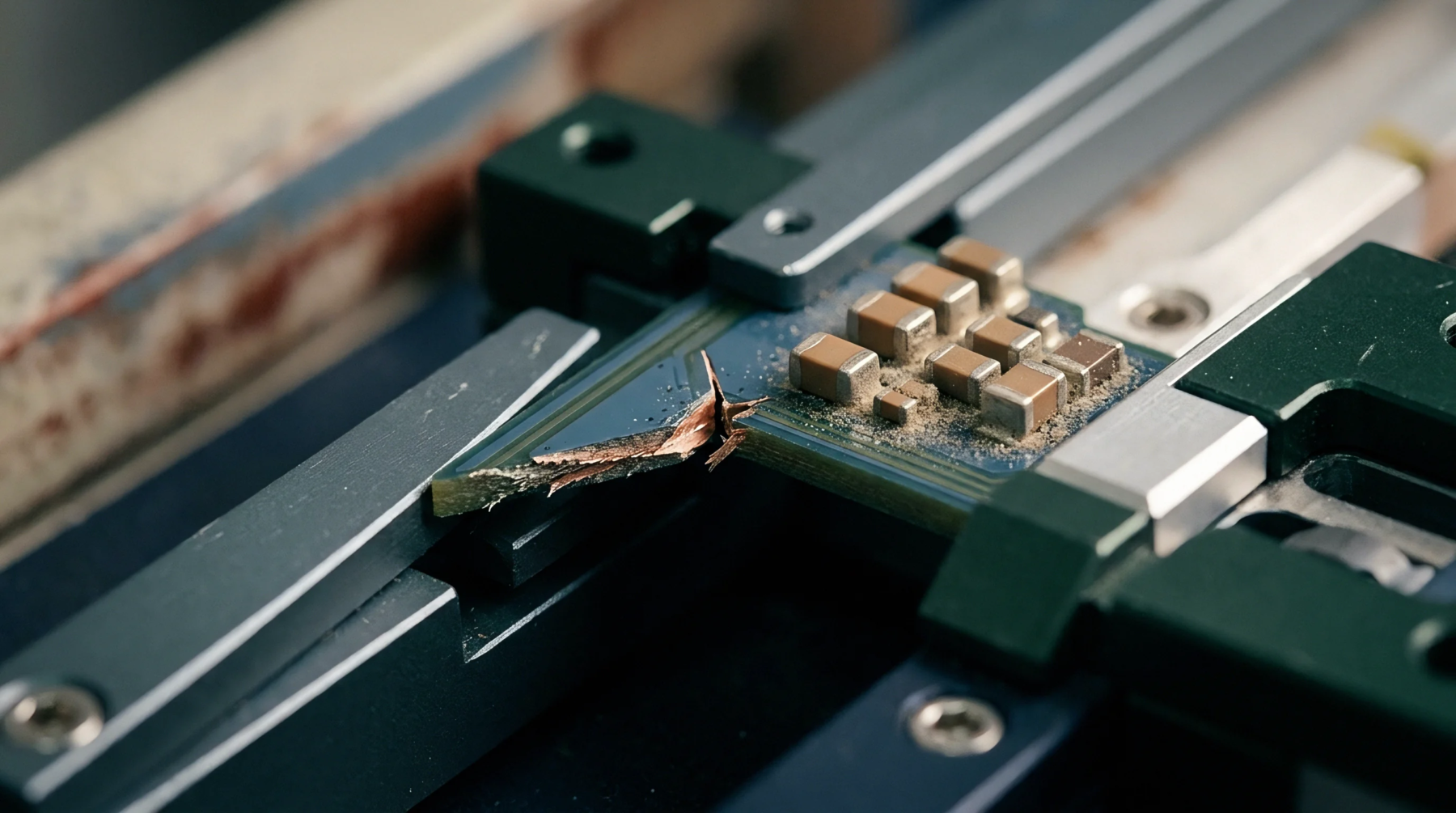
Excess dimensional material left on a cast or forged metal housing before final milling defines stock machining margin. Engineers designate stock machining margin to absorb casting draft, thermal distortion, and surface decarburization during roughing passes. Component geometries dictate whether the allowance sits uniformly across every datum or concentrates on high-wear seating faces.
Production lines subtract this surplus metal systematically during CNC finishing operations to bring the housing within dimensional tolerance.
Thermal Expansion
Residual heat from casting creates uneven shrinkage across thin aluminum walls. Coolant delivery systems manage localized thermal expansion while rough cutters peel away the heavy exterior skin. Fixture clamps must compensate for clamping forces without distorting the underlying web structure.
Interface Tolerance
Final assembly depends entirely on the precise removal of excess stock near mounting bosses. Surface roughness profiles improve as the tool feed rate drops during the semi-finishing pass. Dimensional drift ruins the perpendicularity required between the bearing bore and the mating gasket face.
Quality Verification
Coordinate measuring machines inspect the finished component against the computer-aided design model to confirm stock removal completeness. Metrology technicians verify that tool wear during high-speed cutting did not leave behind chatter marks or undercut the baseline datum. Automated probes reject any enclosure displaying out-of-squareness caused by insufficient initial material allocation.