Meaning
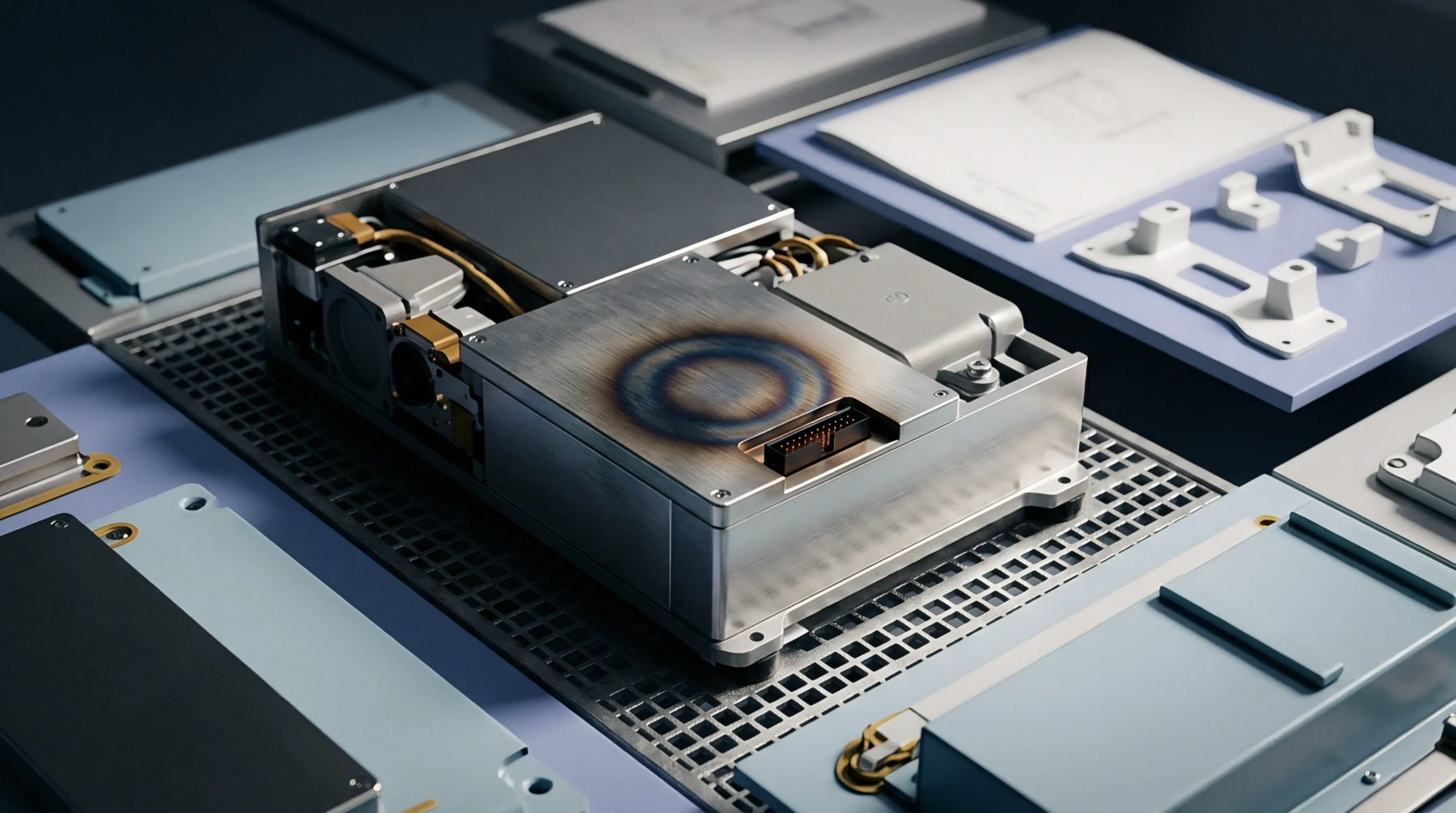
Impact resistance calibration defines the upper limit of mechanical stress a device housing or internal component absorbs before structural degradation occurs. A tool shock threshold establishes the precise force measurement, expressed in g-force units or joule ratings, at which a piece of industrial hardware risks permanent deformation or internal electrical disconnection. Manufacturers define this limit to ensure that equipment survives the repeated kinetic energy transfers typical of handheld power tools or automated assembly line fixtures.
Impact Tolerance
Calibration procedures often subject equipment to repetitive drop tests or vibration cycles until the device ceases function. Technicians record the exact peak acceleration value where the failure initiates to plot the safety margin. Components inside a sealed enclosure receive padding or damping materials specifically selected to keep recorded forces below the predetermined limit.
Engineers verify these values during the design validation phase to confirm that individual parts withstand the intended operational life.
Operational Boundaries
Environmental variables affect how a specific device behaves when approaching its defined limit. High temperature conditions often soften polymers, which changes the energy absorption properties of the housing and modifies the effective peak acceleration the internal circuits endure. Variations in material density across different batches of mass-produced frames mean that the actual break point varies slightly between individual units.
Designers account for these deviations by applying a safety factor that sits below the absolute measured ceiling.
Energy Dissipation
Kinetic energy redistribution prevents internal components from experiencing the full magnitude of an external strike. Spring-loaded mounts or elastomeric gaskets convert the sharp input of a shock event into a slower decay of force over a longer duration. This mechanical arrangement protects fragile solder joints and fine wire bonds from the instantaneous shearing forces that would otherwise trigger a malfunction.
Reducing the peak intensity of mechanical impulses remains the standard strategy for preserving hardware integrity within high-impact industrial settings.