Meaning
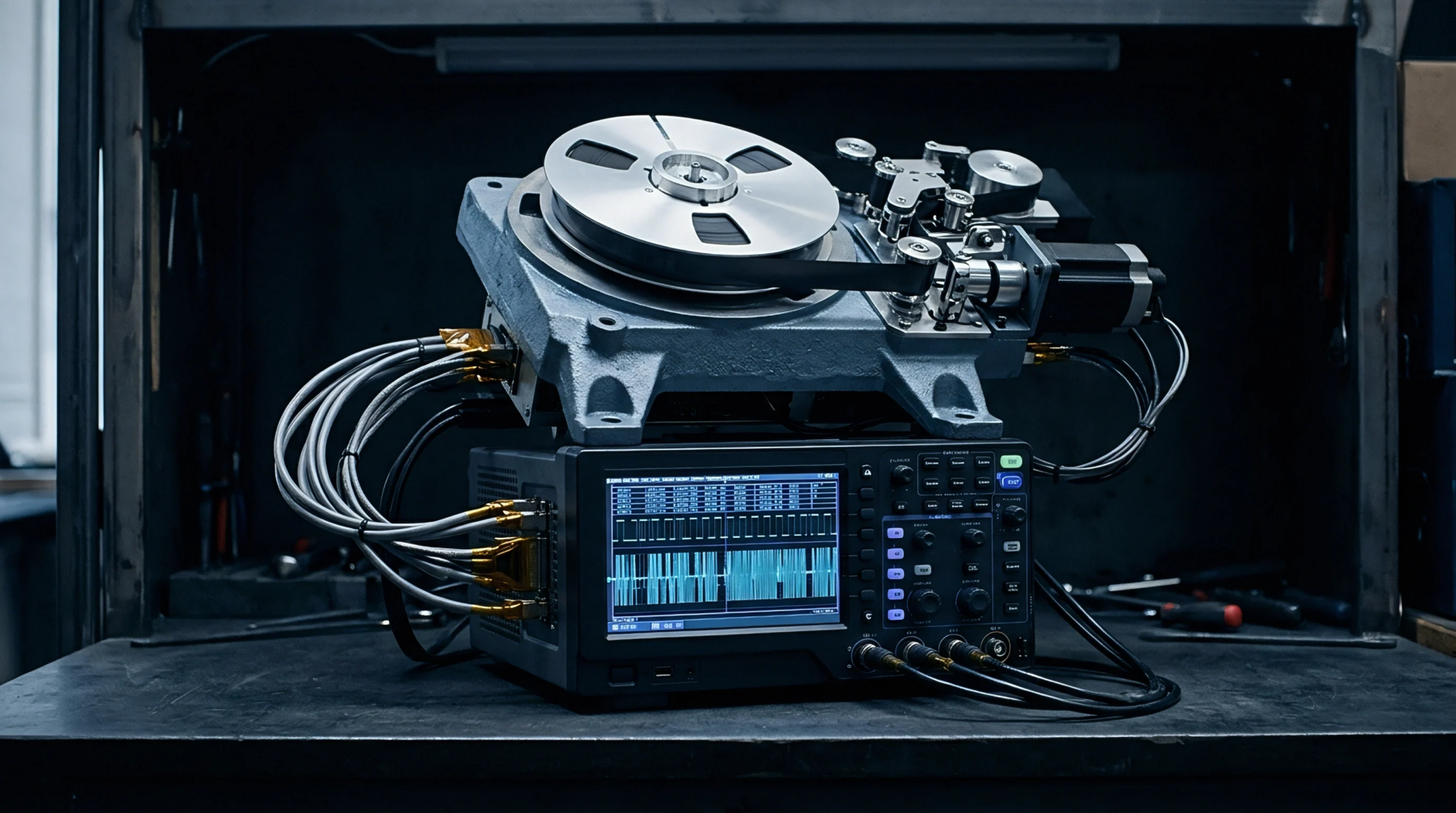
Structural floor platforms provide the hermetic seal and mechanical rigidity required to support processing equipment inside a low-pressure environment. This heavy foundation, the vacuum chamber base, must resist atmospheric deflection and accommodate feedthroughs for power and sensor lines. Precision alignment of internal components relies on the flatness of this surface during high-vacuum operations.
Mechanical Rigidity
Deflection resistance is achieved by using thick-walled stainless steel or aluminum plates reinforced with internal ribs. Under high-vacuum conditions, the massive pressure differential can warp thin sheets, which would misalign delicate optical or manufacturing instruments. Structural engineers analyze this stress using finite element methods to ensure the platform remains flat under full load.
Sealing Interface
Elastomeric seals and metal gaskets are utilized to maintain the pressure differential across the mounting joints. Double O-ring grooves with an intermediate purge channel are machined into the base to provide extra protection against helium leaks. High-vacuum chambers require these clean sealing surfaces to achieve and maintain pressures below one microtorr.
Integration Accommodation
Feedthrough ports must be integrated into the foundation to allow the passage of electrical signals and cooling fluids without compromising the hermetic seal. These connectors use ceramic-to-metal seals that withstand both thermal cycles and pressure gradients. Designing these ports with generous spacing prevents electromagnetic interference between power lines and high-sensitivity sensor channels.
Assembly technicians verify the seal integrity of each feedthrough using mass spectrometer leak detectors before certifying the chamber for process deployment.