Meaning
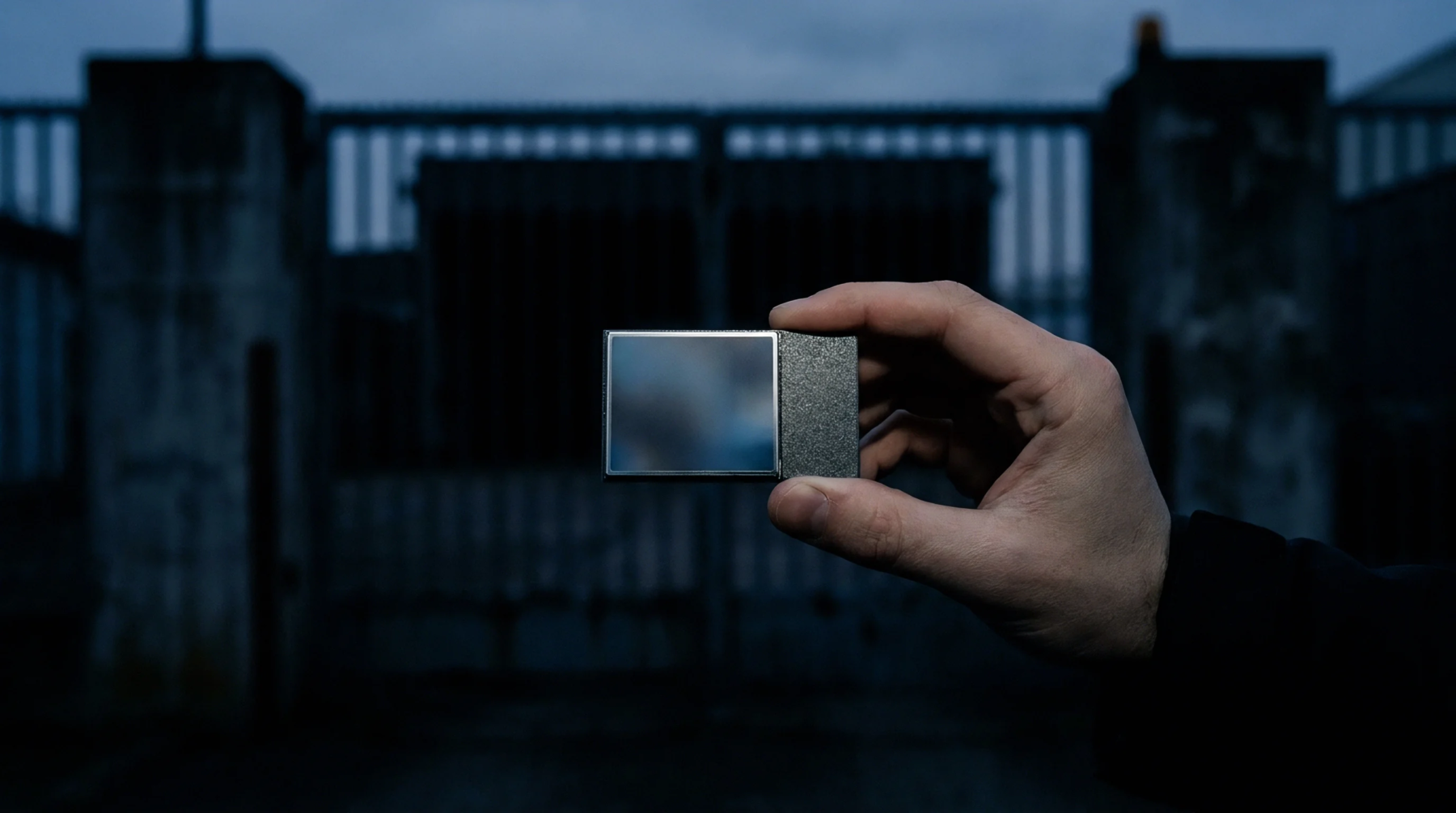
Mechanical structural assemblies designed to support glass-ceramic optics of near-zero thermal expansion hold the reflecting surfaces in precise alignment under varying thermal conditions. A well-designed Zerodur mirror mounting prevents external stresses from transferring to the fragile glass substrate during temperature changes. This assembly ensures that the optical performance of the telescope or instrument is maintained across a broad temperature range.
Low Contraction
Glass-ceramic materials feature extremely low coefficients of thermal expansion to maintain surface figure accuracy. Because the metal housing shrinks much more than the glass during cooling, Zerodur mirror mounting must accommodate this difference without pinching the optic. This requirement is met by utilizing compliant mechanical interfaces such as flexures.
Clamping Force
Control of the holding force is required to prevent both mechanical shifting during vibration and optical distortion from overconstraint. High clamping forces can introduce local stress concentrations that deform the mirror surface. The mounting design must distribute the clamping force evenly through soft pads or adhesive bonds.
These joints are carefully calibrated to ensure that the mirror remains securely positioned without compromising the wavefront quality of the optical system.
Assembly Precision
Integration of the optic requires precise alignment using micrometer stages and laser interferometers to verify the surface figure. Measuring the wavefront during assembly ensures that mounting forces are minimized.