Meaning
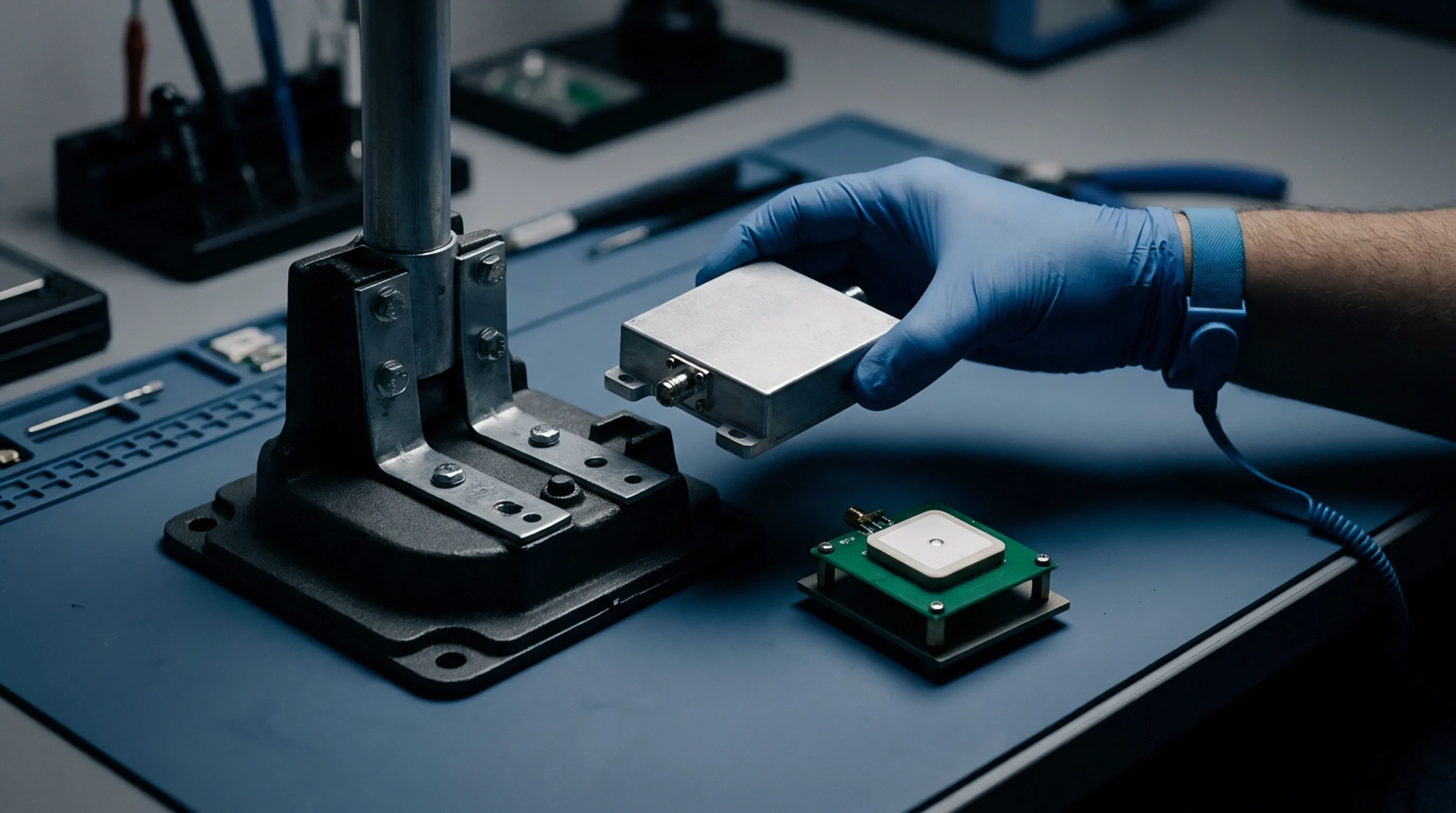
A millimeter-wave sensor system operating in the seventy-seven gigahertz frequency band provides continuous spatial data acquisition for vehicular collision avoidance and adaptive cruise control. 77 GHz automotive radar transmits high-frequency electromagnetic radiation to measure the precise relative velocity, range, and azimuth angle of surrounding traffic objects. Strict regulatory allocations govern this frequency spectrum to prevent interference with broadcast receivers and military installations.
The operating boundary of the system is restricted by atmospheric attenuation and surface moisture accumulation, which scatters short wavelengths during heavy precipitation events.
Thermal Budget
Effective dissipation of operational heat prevents semiconductor junction degradation inside the transceiver module during sustained high-ambient temperature cycles. Passive conduction through metal-core printed circuit boards transfers thermal energy away from monolithic microwave integrated circuits toward the vehicle chassis housing. Liquid cooling loops are occasionally integrated when multiple sensor apertures share a single processing substrate.
Thermal resistance calculations dictate the maximum allowable case temperature before the internal oscillator frequency drifts beyond permitted channel bandwidth limits.
Interface Specification
Physical connection protocols transfer digitized target lists from the RF transceiver to the central domain controller via automotive Ethernet or low-voltage differential signaling lines. Mechanical mounting brackets must maintain angular alignment within fractional degree tolerances during high-frequency vibration profiles experienced on public roadways. Power supply filtering networks suppress high-frequency ripple voltages generated by adjacent actuators to prevent phase noise corruption in the transmitted signal.
Pin assignments adhere to standardized connector layouts that isolate high-speed data lanes from raw battery supply inputs.
Qualification Protocol
Production compliance testing requires thermal shock exposure and biased accelerated life testing to verify solder joint integrity across extreme environmental cycles. Final assembly verification involves target simulation chambers where calibrated radar cross-section reflectors validate receiver sensitivity and angular resolution before factory shipment. Component-level qualification guarantees individual transceiver durability, whereas system-level verification ensures the assembled bumper module meets vehicle homologation standards for autonomous braking functionality.