Meaning
Signal transmission lines in dynamic electronic assemblies must maintain electrical integrity while undergoing physical deformation. The phenomenon of cable flexure occurs when a coaxial or multi-conductor cable is subjected to repeated bending, twisting, or linear stretching during operation. This mechanical movement alters the spatial relationship between the internal conductors and the surrounding shielding.
Engineers must design connections that withstand these physical forces without degrading signal quality.
Mechanical Stress
Dynamic assemblies exert tension and compression forces along the length of the cabling during moves. In applications featuring cable flexure, the internal copper strands experience work hardening over time, leading to microscopic fractures. The outer protective jacket can also degrade, exposing the underlying shield to moisture or physical abrasion.
These mechanical failures typically occur at the stress concentration points near the connectors.
Performance Impact
Electrical performance decreases when the physical geometry of a high-frequency coaxial line changes. In systems subject to cable flexure, the primary electrical symptom is a change in characteristic impedance, which produces unwanted signal reflections. The return loss and insertion loss of the cable fluctuate dynamically as the cable bends, introducing jitter and phase instability into high-speed data streams.
For sensitive radio frequency systems, these changes can cause intermittent packet loss or complete link failure during mechanical movements. The shielding effectiveness also degrades, increasing the vulnerability of the system to electromagnetic interference.
Test Procedure
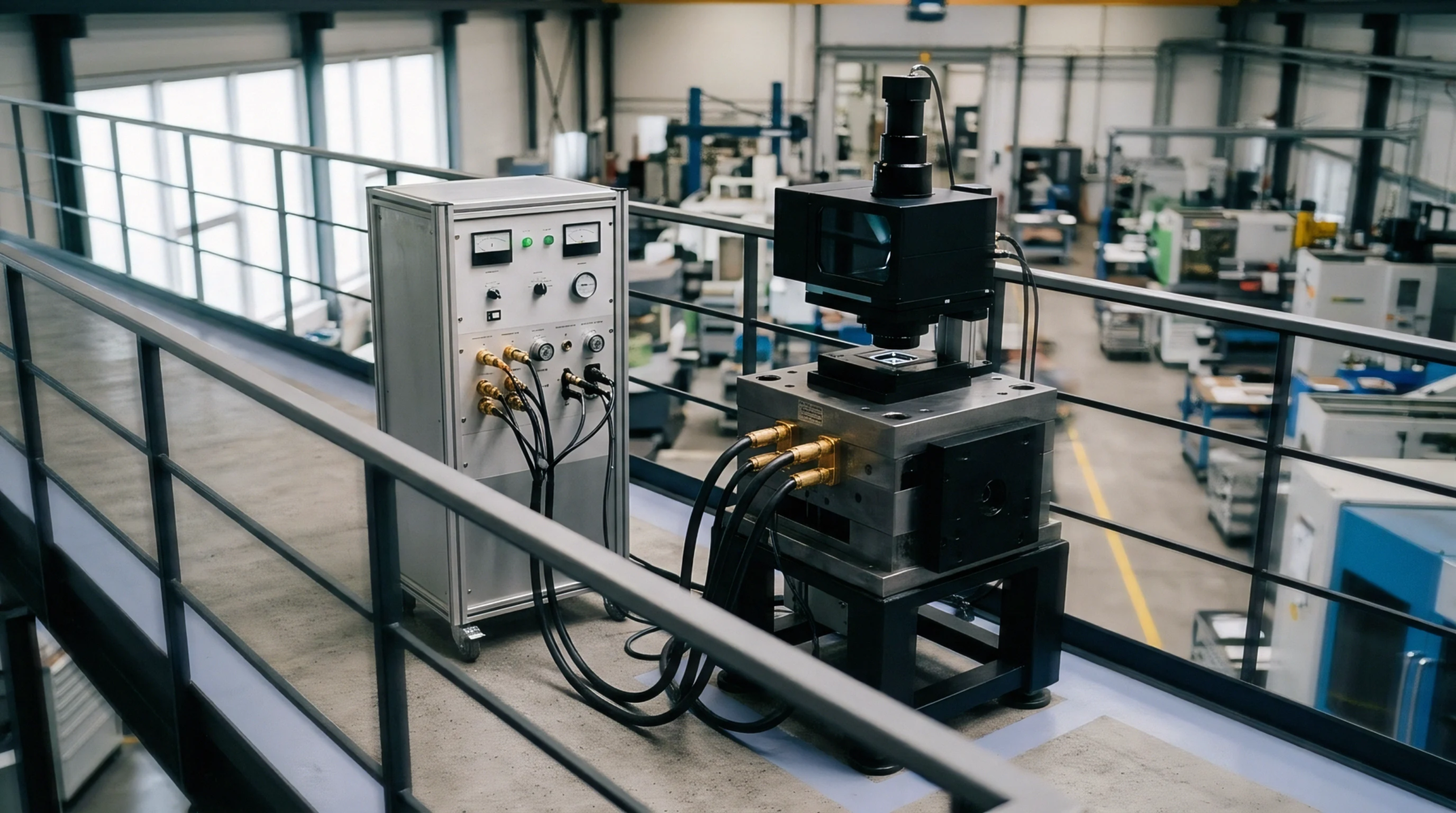
Laboratory testing uses automated test benches to simulate the mechanical lifecycle of a cabling assembly. Evaluators test cable flexure by securing a specimen in a motorized jig that bends the material through a defined angle for thousands of cycles. Continuity and return loss are monitored continuously during the test to detect transient electrical breaks that occur only during movement.
A cable passes this process if it maintains its specified performance limits after completing the required cycle count.