Meaning
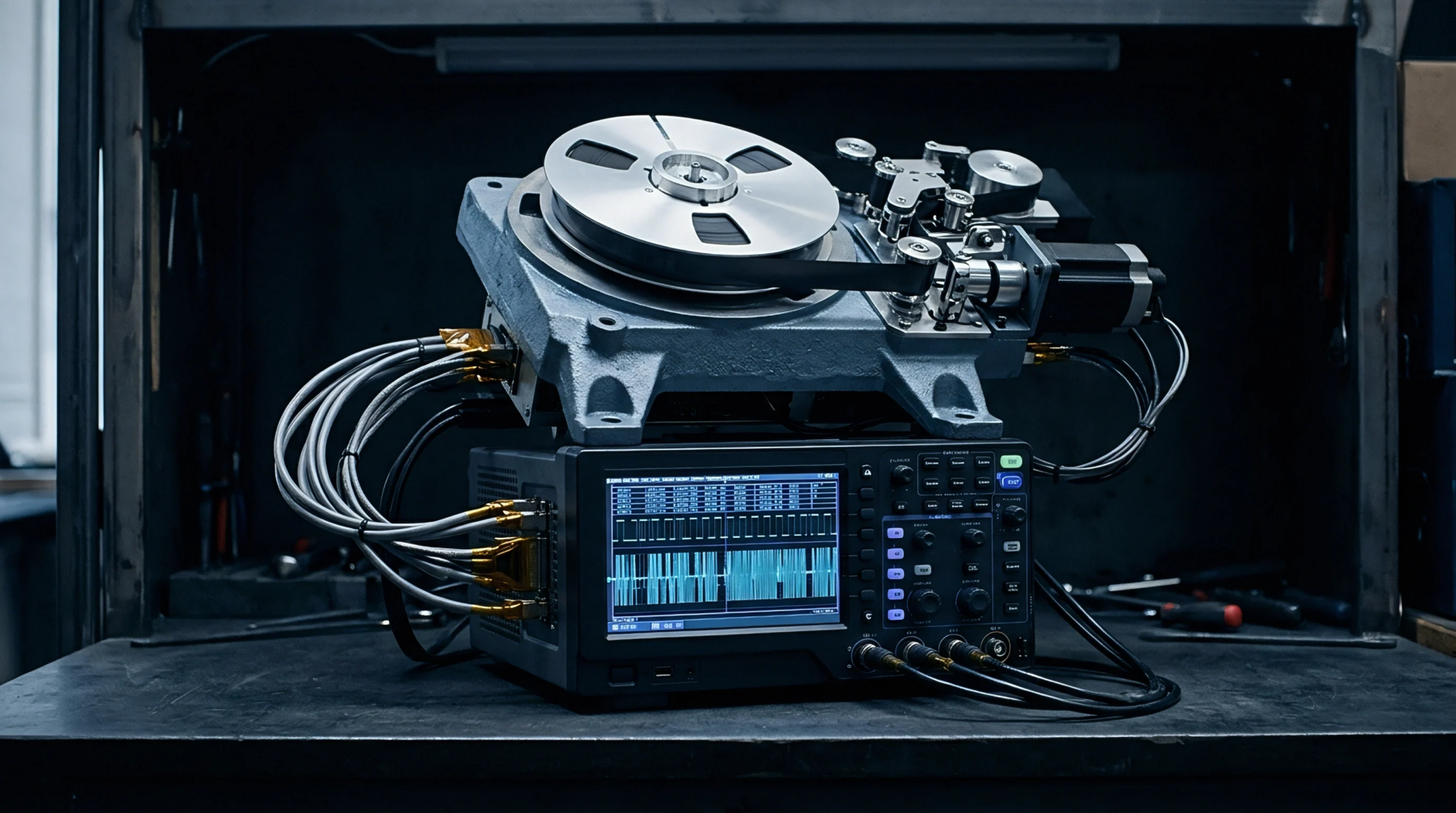
Milled blocks of molten aluminum processed through specialized casting and stress-relieving cycles provide high dimensional stability. A cast aluminum plate provides the structural foundation for high-precision manufacturing jigs and automated test fixtures. This material undergoes minimal distortion during machining due to its low internal stress levels.
Material Properties
Rapid cooling during the casting phase generates a fine, uniform grain structure throughout the thickness of the metal. This isotropic nature ensures that a cast aluminum plate exhibits identical thermal expansion rates in all directions. It resists corrosion when exposed to moisture on the factory floor.
Machining Performance
Low internal residual stress prevents the stock from warping or bowing when deep pockets are milled into the surface. Machining a cast aluminum plate is faster than processing rolled sheet metal because the tool face experiences consistent resistance. This stability allows technicians to hold tolerances within fractions of a millimeter.
Manufacturing Application
Automated test equipment utilizes this flat material to mount sensitive radio-frequency probes and circuit board fixtures. A cast aluminum plate prevents mechanical misalignment that would otherwise lead to false failures during high-volume production test runs. The non-magnetic property of the metal also ensures it does not interfere with electromagnetic measurements during functional tests.
Engineers consistently choose this metal for heavy duty frames that must support pneumatic actuators and electrical shielding enclosures without bending under stress.