Meaning
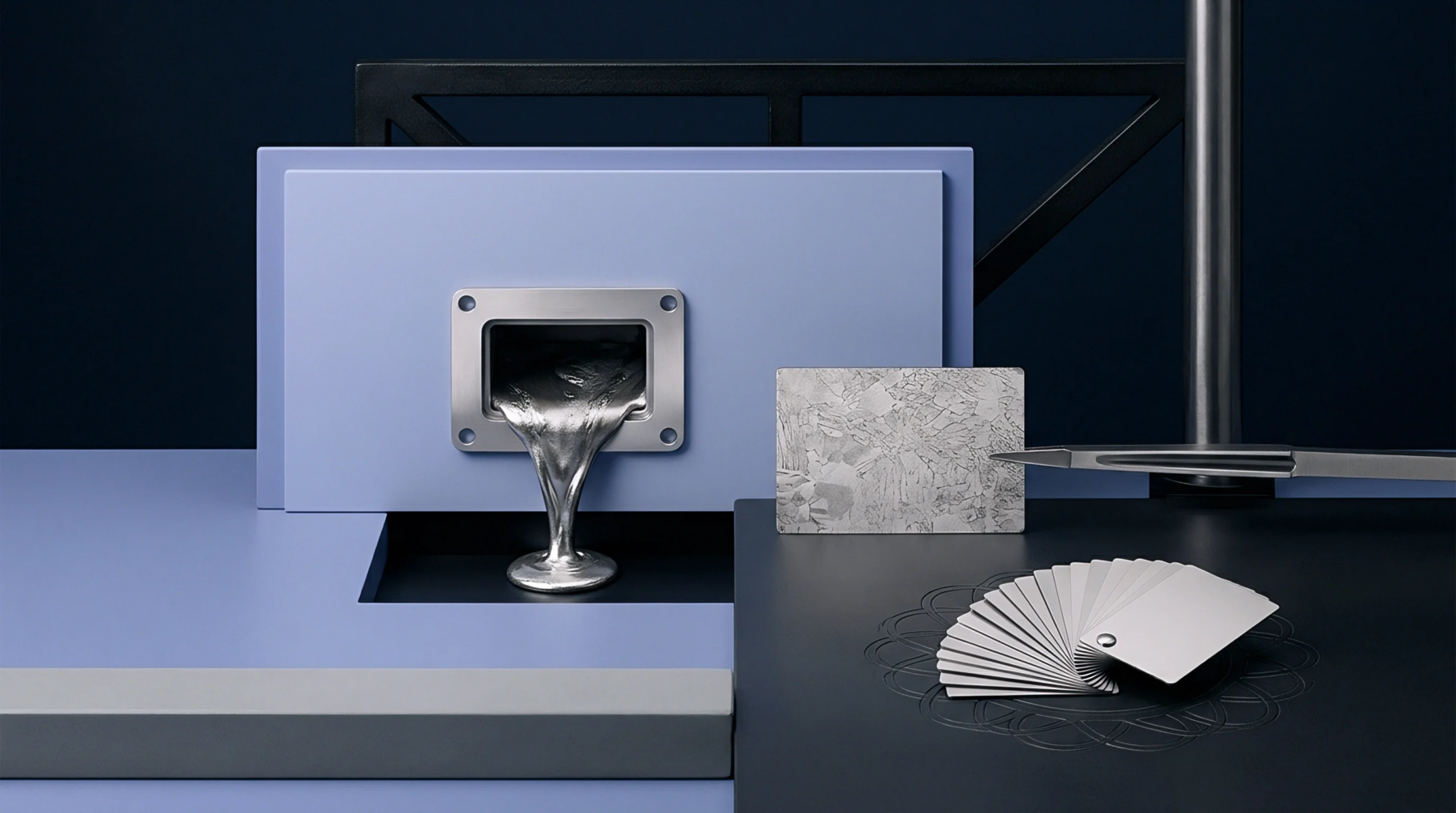
Molten aluminium alloy poured into a pressurized mould results in a solid slab characterized by internal stability and low residual stress. This cast tooling plate undergoes a stress relief process after solidification to ensure dimensional consistency during subsequent material removal operations. Precision flatness and a fine surface finish allow for its application in vacuum chambers, jig assembly, or base plate construction where warp resistance under temperature fluctuation governs performance.
Thermal Stability
Dimensional shifts in metal components occur when internal tensions release during heating or cooling cycles. A cast tooling plate avoids these shifts because the manufacturing cycle limits grain structure variation and prevents the accumulation of significant mechanical stress. Engineers select the material for fixtures where high precision mounting holes must maintain their position despite cycling through operating temperatures.
Machining Efficiency
Removal rates for this material exceed those of rolled products because the alloy lacks internal hardened spots or voids that cause tool chatter. High thermal conductivity allows for rapid heat dissipation away from the cutting edge during milling, drilling, or boring operations. Surface integrity remains intact because the alloy permits high feed rates without generating localized heat damage or microstructure modification.
Surface Quality
Plate edges arrive from the manufacturer with high tolerance thickness control and flatness specifications. Industrial requirements mandate a finish that minimizes the need for extra grinding or secondary processing before integration into an assembly. Consistent surface texture supports reliable contact across interfaces when gaskets or vacuum seals attach to the surface.