Meaning
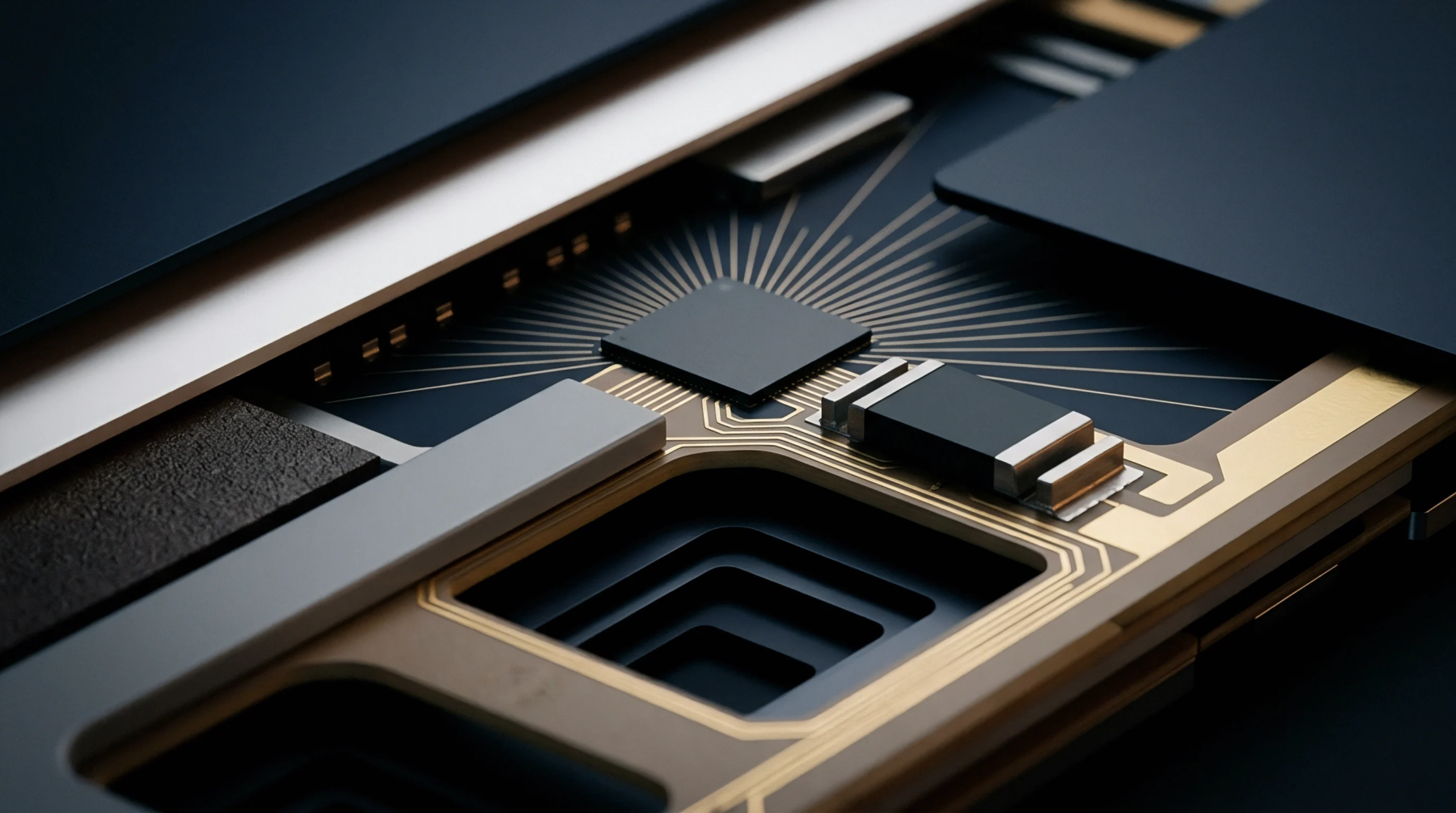
Solid insulating plates provide the mechanical foundation and thermal path for electronic circuits in high-power applications. This ceramic substrate acts as the carrier for thick film or thin film metallic patterns and components. Alumina and aluminum nitride constitute the primary materials used in these bases due to their high thermal conductivity and electrical resistivity.
They isolate electrical signals while conducting heat away from active semiconductor junctions to prevent thermal runaway.
Thermal Interface
Heat dissipation performance depends on the thermal conductivity of the material, which for aluminum nitride can reach values up to 200 Watts per meter-Kelvin. A ceramic substrate manages the heat flux from power amplifiers and radio frequency modules where traditional organic laminates would degrade. Copper layers are often bonded to the surface through direct bonded copper or active metal brazing processes to facilitate component attachment.
Mechanical Fit
Mechanical stability results from the low coefficient of thermal expansion that closely matches the silicon or gallium nitride dies. The ceramic substrate resists warping during high-temperature reflow and operation. It maintains its flat profile through multiple soldering cycles.
Dielectric Property
Electrical isolation remains stable across a wide range of frequencies and temperatures. The ceramic substrate exhibits low dielectric loss, making it suitable for high-frequency antenna modules.