Meaning
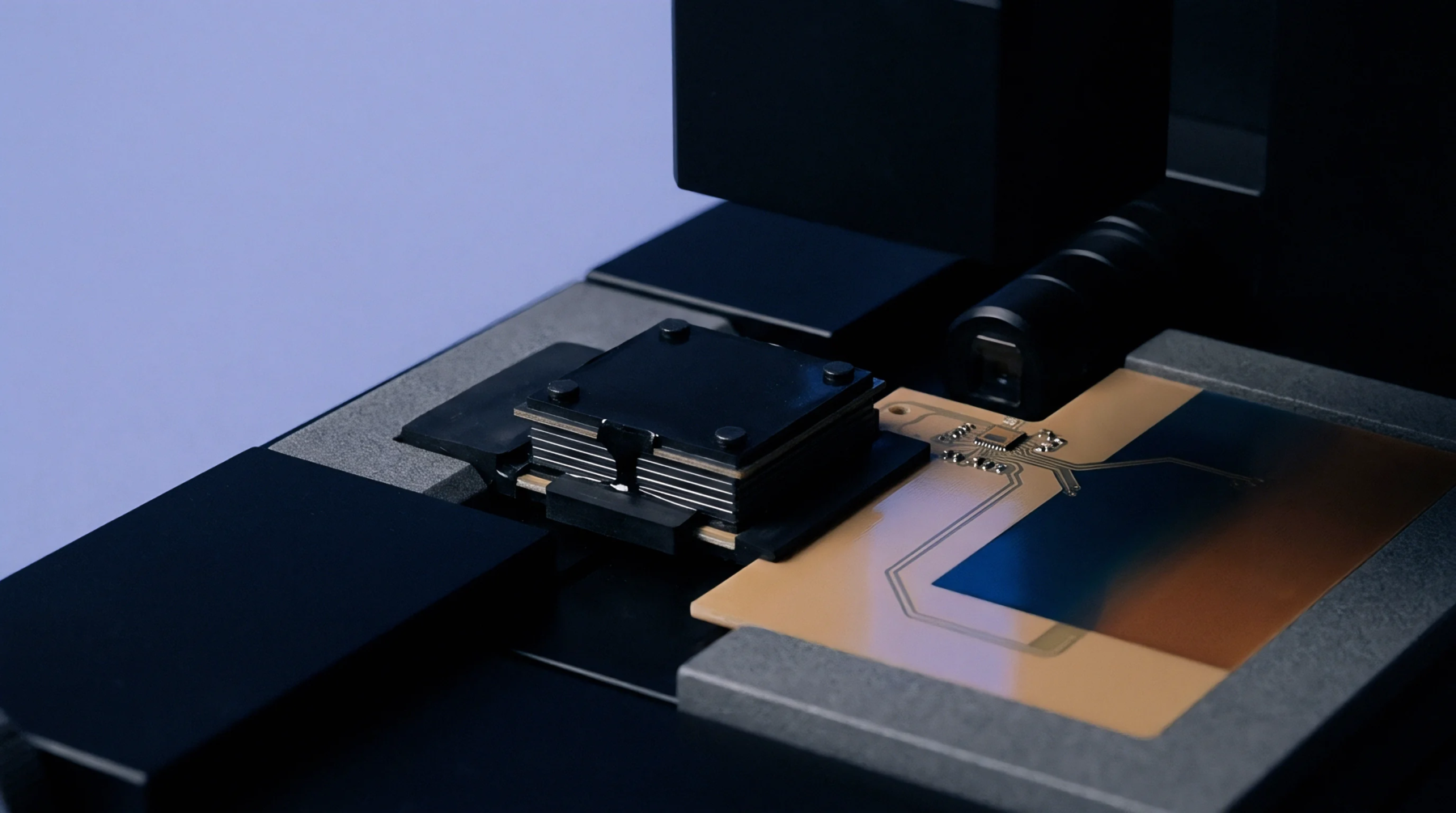
Precision radio frequency measurement instrument featuring a center conductor and an outer shielding tube designed to transmit high-frequency signals with minimal leakage. Engineers employ a coaxial probe to measure the dielectric properties of materials or to inject signals directly into circuit board traces during the debugging phase. The shielded structure maintains a consistent impedance from the test equipment to the point of contact.
Impedance Matching
Maintaining a fifty-ohm environment is necessary for preventing signal reflections that distort measurements. A high-quality coaxial probe uses precise internal spacing and dielectric spacers to ensure the signal remains clean. Any mismatch at the tip introduces errors that appear as false peaks or nulls in the frequency response data.
Dielectric Characterization
Testing liquid or solid substrates involves pressing the open end of the instrument against the sample surface. The coaxial probe detects the change in the reflection coefficient to calculate the permittivity and loss tangent of the material. This method allows for rapid screening of casing plastics and potting compounds used in wireless device assembly.
Mechanical Durability
Spring-loaded center pins allow the device to make reliable contact without damaging delicate surface-mount pads. Since the coaxial probe undergoes thousands of cycles in a production environment, the materials must resist both deformation and surface oxidation. Stainless steel bodies often house the internal components to provide the rigidity necessary for automated test fixtures.