Meaning
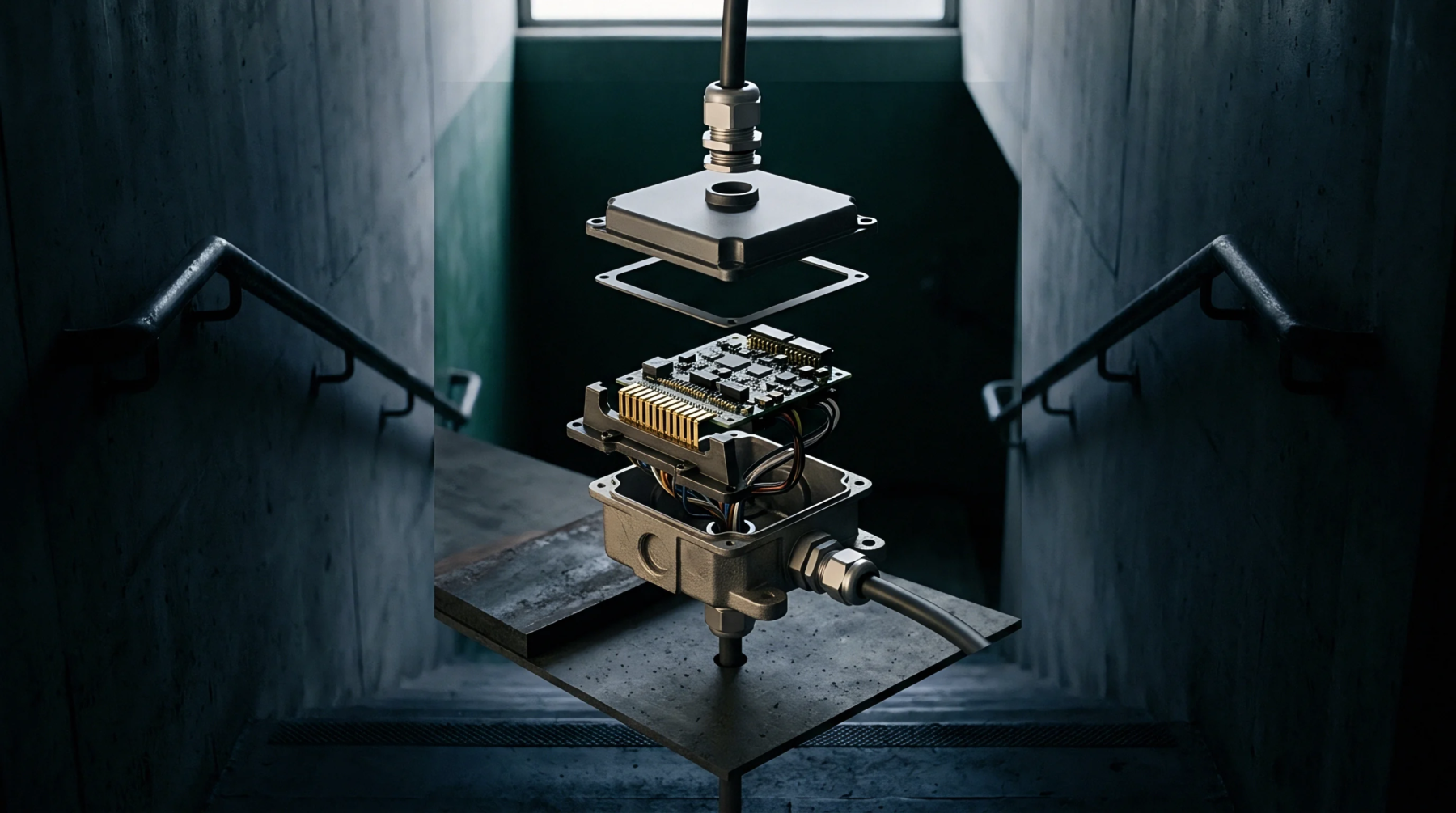
The calculation and adjustment of mechanical pressure applied between conductive surfaces ensure electrical signal integrity without inducing permanent material deformation. Through contact force optimization, engineers determine the minimum pressure required to penetrate surface oxides and the maximum load that avoids mechanical fatigue in spring-loaded pins. Correct pressure maintains impedance.
Mechanical Balance
Spring rate selection governs how the assembly responds to manufacturing tolerances in housing height. Proper contact force optimization prevents intermittent signal loss caused by vibration or thermal expansion. A balanced approach ensures that the pogo pin or leaf spring maintains its elastic properties over the entire operating temperature range.
Pressure calculations also account for the cumulative force of hundreds of pins to prevent board bowing during socket engagement.
Integrity Metric
Signal stability at the interface depends on the mechanical load applied across all environmental conditions. When contact force optimization is ignored, the resulting high resistance creates localized heating that damages the board. This thermal rise degrades the spring material properties over time.
Validation Step
Production testing verifies that the calculated values hold across thousands of mate and unmate cycles. Test reports confirm the force-displacement curve remains within the specified window for the duration of the component life. Force limits are recorded.